
How Chanderi Sarees Are Crafted Using Sustainable Handloom Techniques
Exploring the sustainable artistry behind India's timeless handloom sarees.
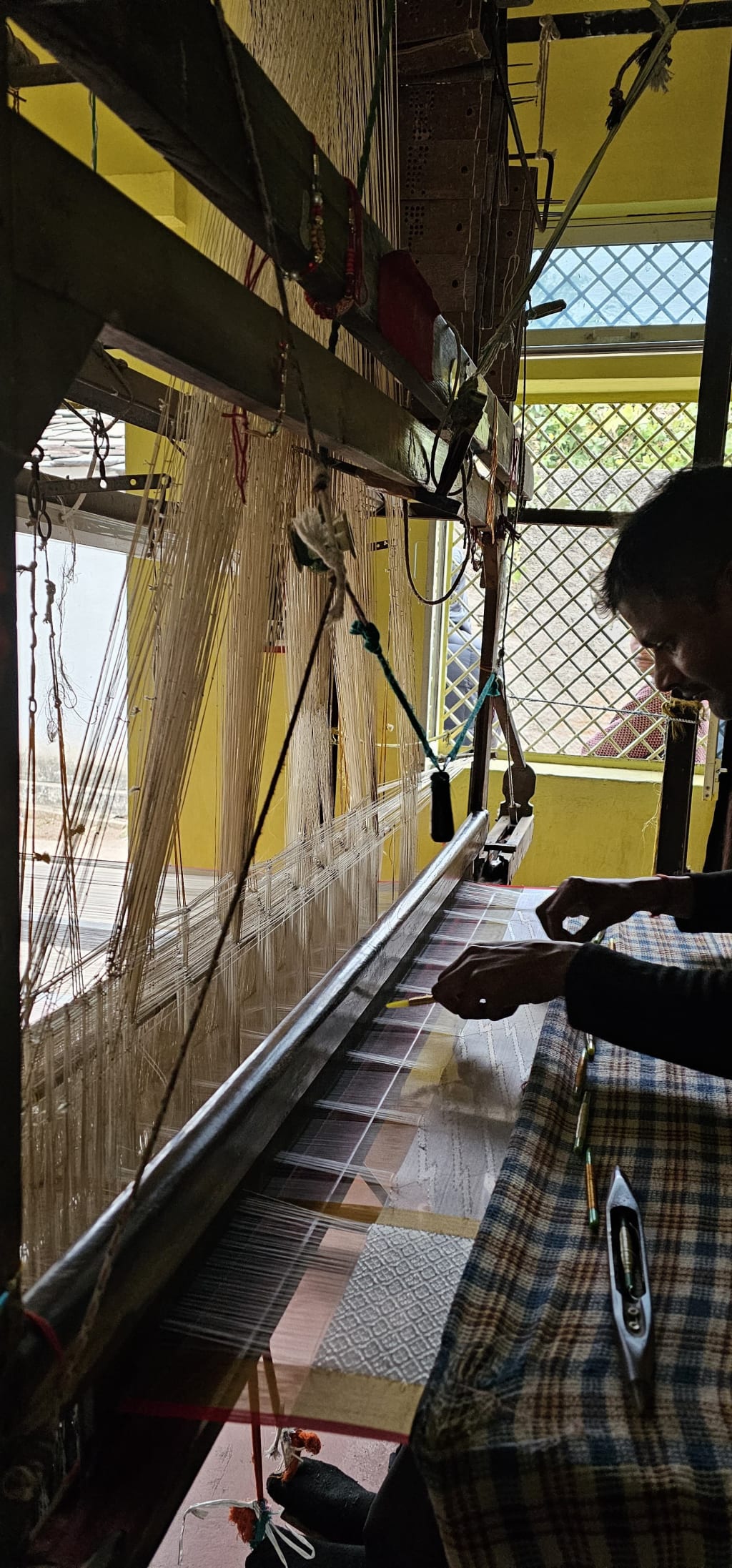
Chanderi Sarees hold a special place in Indian textile heritage because of their elegance and the beauty of hand-weaving art. Coming from the town of Chanderi in Madhya Pradesh, they are appreciated much for their lightness and sheen combined with a luxurious feel. There is a broader aspect to Chanderi sarees besides their beauty and ethics: sustainability is a key consideration, with the handlooms and Zari work following the base of tradition. This article examines how the making process of Chanderi sarees upholds sustainability mechanisms in the fashion industry.
History of Chanderi Saree
Chanderi Saree is one of the earliest fabrics to be known. They were first mentioned in the 2nd Century. These sarees were loved and patronized by royalty. The core of cotton and silk threads weaved by the finest weavers and beautified with zari work results into a luxurious fabric that makes a statement of class and comfort as well. Throughout the ages, Chanderi sarees have become lovelier due to the adherence to ancient weaving traditions and rightfully have come to occupy an honorable place in India's handloom traditions.
Sustainable Handloom Planning
1. Use of Natural Fiber and Materials
Chanderi saree is made out of fibers such as cotton and silk and the most comfortable garment among the natural fibers in the world. These fibers are also biodegradable, which means they will not cause any harm to the planet. In the making of the saree, the yarn receives the finest quality of silk threads to increase durability and sustainability while the zari-woven with silver or gold-plated threads adding an air of luxury to the fabric.
2. Hand Weaving Technology
One of the most remarkable features of Chanderi sari production is the weaving process. The weaving process is labor-intensive, involving the master craft of extremely skilled artisans patiently weaving every single sari on an artistic loom. Unlike machine production, hand weaving is an environmentally-friendly technology as it requires very little energy and produces no emissions.
3. Dyeing for Natural Colors.
The dyeing process for Chanderi saree makes use of natural colors acquired from flowers, plants, and minerals. Therefore, no artificial chemicals that affect the ecosystem are included in this process. Using natural colors will not only sustain the sarees but also enhance their vibrant appearance in the designs.
4. Waste Reduction
Local community artisans indulge in waste minimization while making Chanderi saris. Leftover threads and fabric pieces are used or recycled, reducing waste. This effort satisfies the demands of the circulatory economy, where resources are utilized from the waste category in an effort to do some good work to the environment.
Role of Nature in the Path of Sustainability
Chanderi sarees are deeply ensconced in the skillfulness and sincerity of local artisans. Weavers in Chanderi, most of whom come from families that have practiced this trade for generations, play a critical role in the safeguarding of the legacy. They also place their expertise in the handlooms to make each saree a unique art piece that portrays the beauty and heritage of Chanderi.
Economic and Social Implication
Many artisans and their families find a source of livelihood in the production of Chanderi sarees. Thousands of weavers are employed by the handloom industry in Chanderi, which enables them to continue their traditional craft while injecting money into the local economy. Additionally, the cause promotes gender equality, as many activities within saree making are undertaken by women, from spinning threads to elaborate weaving.
The techniques are still old, but innovations have made them more versatile and appealing to modern tastes. It is through this that designers can experiment with new patterns, color palettes, and embellishments for these sarees to be appropriate for both traditional and modern occasions. Yet these innovations pay respect to the sustainable and ethical roots of Chanderi weaving.
Why Choose Chanderi Sarees for Sustainable Fashion?
Chanderi sarees are fast emerging as one of the jewels of slow fashion in an age dominated by the quick fashion machine. Here is why they come highly recommended to those interested in sustainable fashion:
Eco-Friendly Production: Natural fiber and dyes combined with the technique of handloom weave produces very minimal environmental effect.
Durability: Chanderi sarees are known to be long lasting and are valued for any fashion-conscious individual.
Timeless Elegance: Their classic designs and luxurious feel make Chanderi sarees a timeless fashion statement.
Supporting Artisans: Purchasing Chanderi sarees directly contributes to the welfare of skilled artisans, helping preserve traditional crafts.
Promote sustainable practices in the Chanderi industry.
Ethical handloom techniques need to be promoted for the long-term sustainability of Chanderi sarees. Organizations and designers work with weavers, ensuring fair wages, better working conditions, and promoting sustainable fashion. Consumers can contribute by buying authentic Chanderi sarees and raising awareness about the long-term benefits.
Conclusion
Chanderi sarees are not only an outfit but symbolize India's deep-rooted culture and sustainable work. Natural material use, handloom processing, and green dyes signify Chanderi weavers' effort to conserve their tradition in a sustainable way. While you wear the saree, you don't only look graceful, but you're also contributing to a skill that reflects environmental concern and social responsiveness. In a world striving for sustainable fashion, Chanderi sarees serve as inspiration about combining heritage and modern day in the most acceptable and environmentally responsible way.
About the Creator
2026 Commercial Space Design:How Fbierglass Sculpture Drives Traffic
Today, offline commercial spaces are facing continuous pressure. With e-commerce offering convenient and fast services, physical stores must showcase unique features to attract customers. In this context, fiberglass sculptures are no longer merely decorative items; they have become visual focal points in shopping malls, brand stores, pop-up shops, and mixed-use commercial projects, playing a crucial role in increasing foot traffic.
By Shenzhen Ruiheng Crafts3 days ago in Art
Why Strategic Branding Is Essential for Long-Term Business Growth
In today’s fast-paced digital environment, businesses face constant pressure to stand out. Consumers are exposed to endless choices every day, making attention harder to earn and trust harder to keep. While quality products and services are important, they are no longer the only factors that determine success. Strategic branding plays a key role in helping businesses grow steadily and remain relevant over time.
By Ayush Bagwari3 days ago in Art


Comments
There are no comments for this story
Be the first to respond and start the conversation.