
How are CFRP cans manufactured?
Step-by-Step Guide to CFRP Can Production


The cans of carbon fiber-reinforced polymer material have extensively been used in a lot of high-performance pumps operating in the fields of automotive, aeronautical, and renewable energy. Compared to other material cans, CFRP cans boast excellent strength and lightness, with anti-corrosion capabilities. Interestingly, such high-tech components are manufactured through a very interesting process. In the following section, we will learn about the step-by-step processing of CFRP cans, right from design to finishing, and find out why they have been considered vital in modern applications.
Understanding CFRP
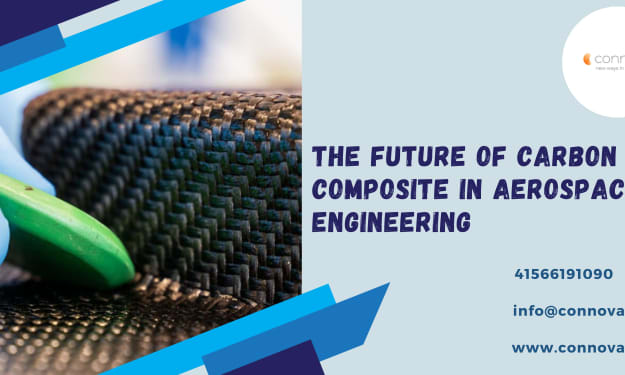
Before the manufacturing process is explained, it would be useful to explain what CFRP is. Carbon fiber-reinforced polymer is a composite material manufactured by embedding carbon fibers within a polymer matrix. The result is a material that offers high stiffness and strength at only a fraction of the weight of metals like steel or aluminum. This combination makes CFRP ideal for applications where both strength and weight reduction are critical.
CFRP Cans in High-Performance Pumps
In high-performance pumps, CFRP cans have served as barriers between the motor and liquids that will be moved to protect motor components from corrosive or electrically conductive liquids. As a practical advantage over the use of metals, CFRP offers corrosion resistance with lightweight properties, enabling energy efficiency and durability in severe environmental conditions. Other merits include better electrical insulation provided by CFRP cans, which is important in avoiding electrical interference within motors.
Manufacturing Process of CFRP Cans
Manufacturing CFRP cans requires a series of complex and precise processes to make sure the final product performs, lasts long, and is genuinely reliable. Below are the major stages a manufacturer has to go through to produce such CFRP cans.
1. Design and Specification
The process starts with the design phase, in which the dimensions, strength, and performance that CFRP can handle will be theoreticized by the engineers. This includes:
Material Selection: A decision by the engineers as to the type of carbon fiber and resin that will make up the CFRP; for example, high-strength fibers in such applications as those requiring durability, lighter fibers perhaps for weight-sensitive environments.
Structural Design: The design phase also involves planning the fiber layup, or how the carbon fibers will be laid out in the composite. The orientation of the fibers is a critical factor because it defines the strength and elasticity of the can in various directions.
2. Manufacturing Carbon Fiber Preform
Once the design is finalized, the next step involves the creation of the carbon fiber preform, which forms the basic structure of the CFRP can:
Layup Process: With the use of a mold, layers of carbon fiber fabrics or small bundles of fibers are laid in strategic orientations for maximum strength and performance in any direction the can may be subjected to.
Custom Molds: Carbon fibers are molded into a custom mold shaped like the final can design. This mold holds the fibers in place as the resin infuses the mold and keeps the shape of the final product.
3. Resin Infusion or Prepreg Process
Once the preform structure of the carbon fiber is prepared, resin infusion begins. Resin is the polymer matrix material that holds the carbon fibers together and gives structural integrity to the can. There are two ways in which resin may be introduced to the carbon fibers:
Resin Infusion: The resin infusion technique involves the placement of the carbon fiber preform inside a vacuum mold sealed from the environment. Resin is introduced and impregnated into the fibers via the use of vacuum pressure in the mold. Applied vacuum ensures air pockets are removed, thus allowing even resin distribution throughout the structure.
Prepreg Method: In this method, the resin is impregnated in the carbon fibers in advance before laying them into the mold. Normally, prepreg materials should be stored in low-temperature conditions to avoid resin curing in advance. In this method, the ratio of resin to fiber can be better controlled to achieve a more consistent final product.
4. Molding and Curing
The CFRP can proceed with molding after resin infusion or the prepreg process:
Compression Molding: The preform, now impregnated with resin, is compressed within the mold in such a way as to take the right form of the fibers and resin. This is a very critical stage for achieving the exact dimensions and structural strength required in high-performance applications.
Curing: The final step involves curing: the can is heated, usually in an autoclave, where the resin hardens and permanently holds the fibers in place. Much stronger material is obtained after curing: very strong and stiff CFRP can. Sometimes, a different method of curing is used called out-of-autoclave curing, in which the can is cured under vacuum pressure and heat without needing an autoclave.
5. Trimming and Finishing
After curing, finishing steps are carried out to fulfill exactly the specifications required for its application:
Trimming: The extra material is trimmed off, and the can is cut to its exact dimension using a CNC machine or any other precision tool.
Surface Treatment: Depending on the application, surface treatments can be applied to raise the resistance of the can to environmental factors or for aesthetic enhancement.
6. Quality Control and Testing
The final stage of manufacturing involves the CFRP undergoing aggressive testing to meet all performance requirements. This typically comprises:
Mechanical Testing: The CFRP can is usually subjected to tensile, compression, and impact resistance, among other tests, to ensure that it has the required strength.
Non-Destructive Testing: The employment of techniques such as ultrasonic inspection or X-ray testing may be considered to detect internal defects or voids that could affect the performance of the can.
Dimensional Checks: The critical measurement is done that gives the can a perfect fit for the design specifications.
Benefits of CFRP Cans in High-Performance Pumps
CFRP cans provide some crucial advantages that make them suitable for high-performance pumps:
Lightweight: The key feature of CFRP is that it is much lighter than metals, which helps to reduce overall pump weight and enhance energy efficiency.
Corrosion Resistance: Unlike metals, CFRP is corrosion resistant. That would make it ideal for pumps designed to operate in an aggressive or harsh environment.
Thermal Stability: CFRP cans are very thermally stable. They do not degrade easily and can withstand extreme temperatures with ease.
Electrical Insulation: The non-conductive nature of CFRP makes them very good insulators. It prevents any sort of electrical interference within the motor.
Conclusion
The processing of CFRP cans involves several stages in a complicated process, which has ensured the material performs at the highest level for performance, durability, and dependability in high-performance pumps. Light, resistant to corrosion, and thermally stable, it is possible to manufacture cans by advanced methods such as resin infusion and precision molding. Companies like Connova AG keep furnishing the latest solutions in CFRP for applications that take on the toughest jobs for industries around the world.
About the Creator
Hezal
Connova AG is a leading provider of advanced composite solutions, specializing in the design and manufacture of aerospace composites, composites for space applications, and high-performance carbon composites.
A Dummies Guide to UX Basics
Designing a website that incorporates UX design elements is becoming more in demand as businesses begin to understand the importance of UX. Having useless bells and whistles on your website, no longer makes it a good design. Creating the right balance between an excellent user experience and the functionality of the site for your business goals is paramount.
By Dena Falken Esq3 days ago in Art
Beyond, Beholding
Everytime i step on the ground the sound made wants to make a noise desiring to be heard if volume was loud enough to sense ears hearing as it wants to exist to be a force meant to be known by the recognition of dispute and the cause that is rival to light that is how God made darkness misunderstood being summoned by its own incomprehension because their was no time to validate evil. As the light shines awaited by the end as love has not met with unreachable places with no destination how could fate seal itself when theres nothing to please it without a savior because like God it is eternal.
By sophia saldarriaga2 days ago in Art


Comments
There are no comments for this story
Be the first to respond and start the conversation.