
Hands of Heritage: The Hidden Histories of Pashtun Crafts
Unveiling the stories behind Peshawari Chappals, tribal carpets, and pottery—timeless traditions at risk of fading away.

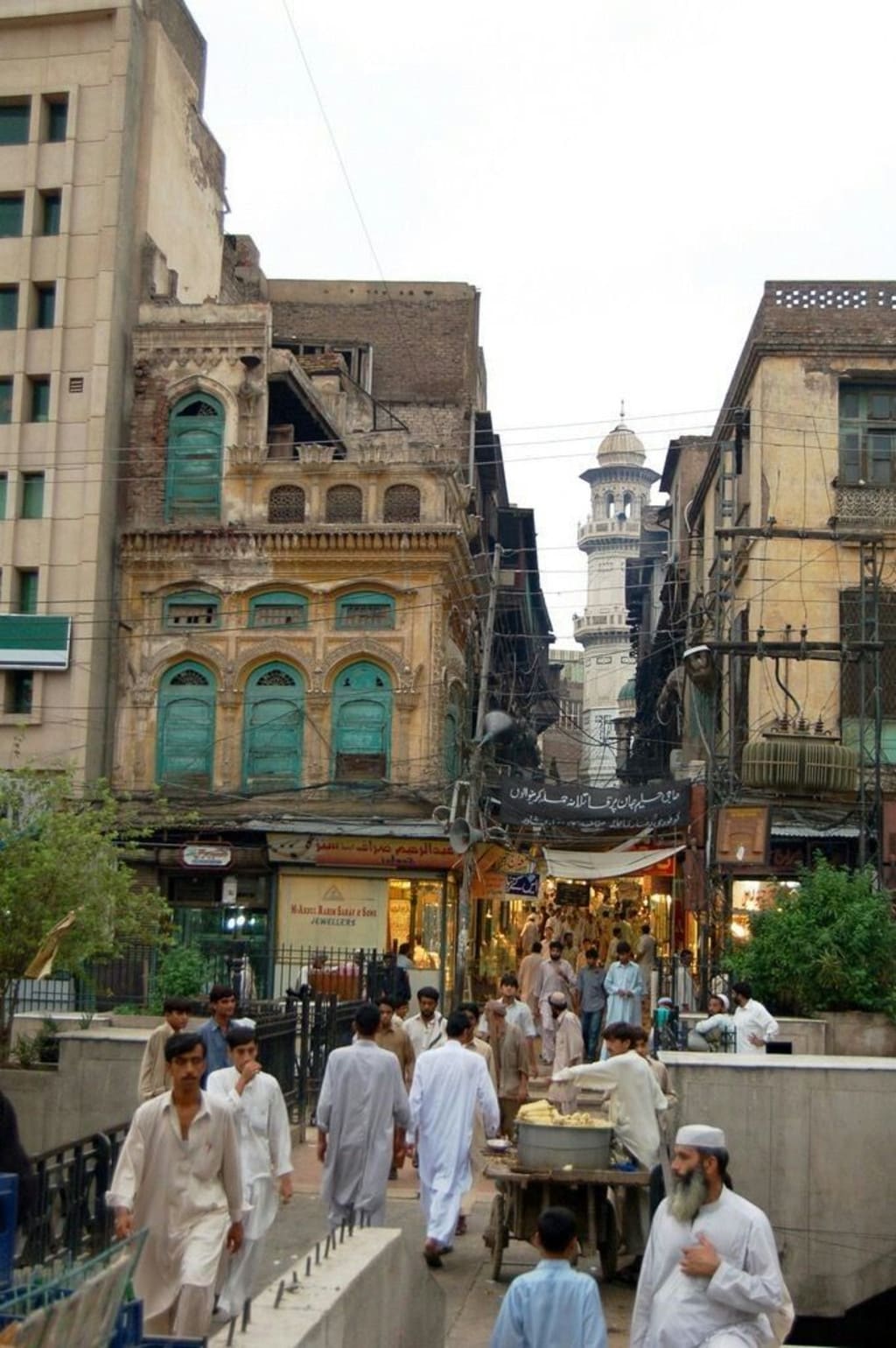
In a dimly lit workshop in Peshawar’s old Qissa Khwani Bazaar, the air smells of leather and dye. A craftsman bends low over his workbench, his hands moving with a rhythm learned not from books but from generations before him. The chisel strikes, the needle pulls, and slowly a pair of Peshawari Chappals—the iconic Pashtun sandals—takes shape.
For centuries, the Pashtun people have preserved their identity not only through poetry, music, and storytelling but also through the quiet artistry of their crafts. Each stitch of thread, each carved pattern, carries with it not just beauty, but history. Yet many of these traditions remain hidden, overshadowed by the rush of modernization.
The Story in Every Stitch: Peshawari Chappal
Perhaps the most famous of Pashtun crafts, the Peshawari Chappal is more than footwear. Historically, it was designed to endure long journeys across rugged mountains and harsh climates. Its thick sole and sturdy straps made it the preferred choice of warriors and traders.
But beyond its practicality lies symbolism. The cross-strap design is said to represent the strength and resilience of the Pashtun spirit, while the durability of the shoe mirrors the endurance of the people who wear it. Some elders even recall stories of young men gifting finely crafted chappals as tokens of honor before leaving for tribal gatherings or battles.
Weaving the Past: The Carpets of Khyber pakhtunkhwa (KPK).
Step into a traditional Pashtun home, and you may find carpets that seem less like rugs and more like paintings. Handwoven carpets from regions like Swat and Khyber have long been admired for their geometric designs and rich dyes.
Yet each motif carries more than aesthetic value—it holds meaning. Certain diamond patterns symbolize protection from the evil eye, while intricate borders echo tribal unity. Passed down through oral tradition, these designs are a visual language, telling stories without words.
In the past, families treated these carpets as heirlooms, weaving them not for sale but as legacies for their children. Today, machine-made rugs flood markets, and the unique storytelling woven into each handmade carpet grows rarer every year.
Clay and Fire: The Pottery of Everyday Life
In the valleys of Swat and Bannu, artisans once shaped clay into vessels that were as spiritual as they were practical. Pottery wasn’t just about bowls and pitchers—it carried designs believed to invite blessings and ward off misfortune. Some pots bore sun-like motifs, symbolizing life, while others featured wavy lines representing rivers, the lifeblood of the land.
Though simple, these everyday objects told of a people deeply connected to nature and faith. Today, only a handful of potters remain, struggling to keep their kilns burning.
A Vanishing Legacy
What makes these crafts so profound is that they are more than commodities. They are carriers of memory—silent witnesses to centuries of migration, trade, and struggle. Yet the rise of industrial production and the lure of fast fashion threaten to silence them. Many young Pashtuns now seek education and urban jobs, leaving behind the painstaking work of their ancestors.
Preserving the Voices of the Past
If we lose these crafts, we lose more than handmade goods—we lose stories. The Peshawari Chappal is not just a sandal; it is a story of endurance. A carpet is not merely woven wool; it is a song in color. A pot is not only clay and glaze; it is a prayer sealed in fire.
Supporting local artisans, documenting their histories, and teaching these skills to new generations are not acts of nostalgia—they are acts of cultural survival.
In the end, every stitch, every knot, every pattern whispers: We were here. We lived. Remember us.
About the Creator
A Matter of Coincidence
Tuesday, 3 September 2024 Ayesha Fareed Ahmed, Mirpur Khas Sheeda was a simple and innocent man. One day, he was going to his wife’s village to bring her back. On the way, he saw some donkeys grazing on grass at a certain place. Eventually, he reached his in-laws’ house. His wife’s brother asked him to sit in the guest room.
By Sudais Zakwana day ago in Art
The Devil's Cut
“Comrade, finally you’re awake.” The voice was smooth, sensual. A flickering incandescent bar was all that lit the white, sterile room. All Vladimir remembered was everything going black. He tried to move his arms and found them strapped to the gurney.
By Matthew J. Fromm5 days ago in Fiction




Comments
There are no comments for this story
Be the first to respond and start the conversation.