
Ghibli Style Art
Hand Drawn Masterpieces to Ai Magic

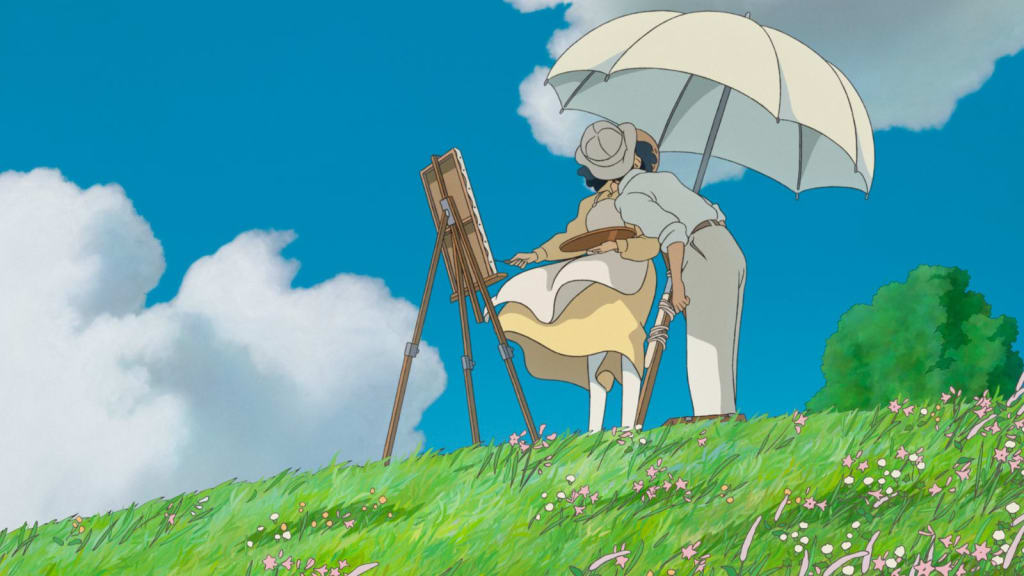
Studio Ghibli's dreamlike, whimsical, and deeply felt animation style has captivated audiences for decades. Movies like Spirited Away, My Neighbor Totoro, and Howl’s Moving Castle showcase a unique blend of hand-drawn artistry, fantastical storytelling, and cultural depth that have defined the Ghibli aesthetic. Today, that once time-consuming style can be recreated in seconds with artificial intelligence. However, how did we arrive at this point, and what does it mean for art?
---
A Brief History of Ghibli Art
Studio Ghibli, founded in 1985 by legendary directors Hayao Miyazaki and Isao Takahata, rose to fame through its commitment to traditional animation. Every frame in Ghibli films was painstakingly drawn and painted by hand. The result was a warm, organic feel—lush forests, glowing skies, expressive characters that no computer could replicate at the time.
What makes Ghibli's art so iconic is its blend of realism and fantasy. Characters are stylized but brimming with subtle emotion, and the backgrounds are rich and immersive, frequently drawing inspiration from real-life Japanese countryside landscapes. The use of color, light, and motion creates a dreamlike setting that beckons the viewer to pause and take in the world's beauty.
---
The Rise of AI in Artistic Creation
Today, the art world is undergoing a significant transformation. AI tools like MidJourney, DALL·E, and Stable Diffusion can now produce artwork in the style of Ghibli in a matter of seconds. All it takes is a text prompt like a cozy village at sunset in Ghibli art style—and the machine conjures up images that resemble the classic Studio Ghibli look: soft lines, warm hues, and enchanting details.
These tools use massive datasets, often trained on countless art pieces, to learn styles and visual patterns. When users enter a prompt, the AI analyzes the request and synthesizes an image based on learned aesthetics, including Ghibli’s signature look.
---
The Benefits and Drawbacks of Ghibli Art Created by AI
There’s no denying the magic of being able to instantly create art that once took days or weeks. For fans, it opens up new ways to engage with the Ghibli world custom wallpapers, personalized characters, or dreamlike scenes that never existed before. For creators, it offers inspiration, concept visualization, and faster workflows.
However, this rise also sparks important conversations. Is it ethical to replicate a specific studio’s style without their involvement? Is AI generated art just a visual imitation, or can it truly capture the emotional heart of Ghibli's work? And what does this mean for traditional artists who have honed these skills for years?
---
The Future: Collaboration Over Replacement
While AI is a powerful tool, it doesn’t replace the heart and soul that human artists bring to their work. What it does offer is a new medium one where human imagination and machine precision can collaborate. AI is already being used by artists to come up with new ideas, improve visual storytelling, or blend styles in novel and unexpected ways.
The charm of Ghibli style art isn’t just in how it looks, but in the stories it tells and the emotions it evokes. AI can mimic the style, but it’s still up to us to bring meaning to the canvas.
About the Creator
Keep reading
More stories from writers in Art and other communities.
Soon-Young (Shownal) Han: The Casting Director Redefining Global Collaboration
In an era where content knows no borders, casting has become more than selecting faces for the screen—it has become an act of cultural translation. Few understand this better than Soon-Young Han, also known professionally as Shownal Han, a global casting director whose work is quietly reshaping how Hollywood, Korean content, and international brands collaborate.
By Alpha News Networkabout 10 hours ago in Art
🅼🅸🅳🅽🅸🅶🅷🆃 🆂🅽🅰🅲🅺🆂
"It's 10 in Tuscon! We all know what that means... It's Time for Midnight Snacks with your man, Gerald Gee! Ready to spend the night together? Me too! I'm full of snacks and can't wait to regurgitate them all back into your hungry ears. Crack a brew! Pop some corn! Anything to get ready for one hell of a show where the talk maybe cheap but the words cut deep...
By Lamar Wigginsa day ago in Fiction


Comments
There are no comments for this story
Be the first to respond and start the conversation.