
‘Furiosa: A Mad Max Saga’ Movie Review
A Lonely Avenger
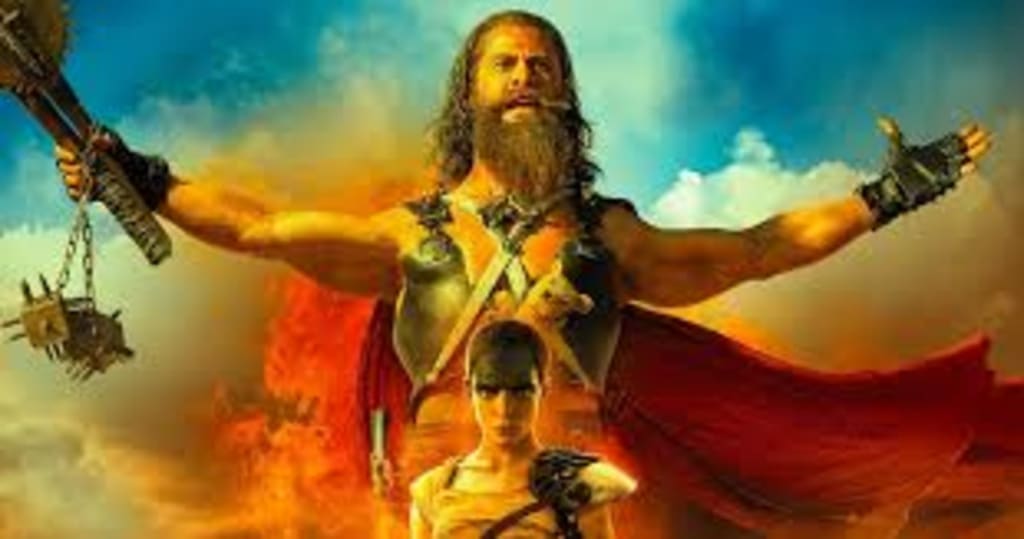
Furiosa: A Mad Max Saga" Review
The fifth installment of George Miller’s iconic series, Furiosa, ventures into the origin story of the hardened driver portrayed by Anya Taylor-Joy. In typical Miller fashion, this dystopian narrative delivers a grim yet exhilarating vision of the future. For decades, Miller has transported audiences to his ravaged world with nightmarish yet stunning imagery, so hauntingly familiar that it stirs recognition. Though his dystopia mirrors our reality, the sheer spectacle often distracts viewers from its terrifying proximity to our own. Once again, Miller’s apocalypse is mesmerizing, but it now feels eerily less fantastical.
Since Mad Max first hit theaters in 1979, the parallels between Miller’s desolate world and our own have become increasingly unsettling. The original film, set in a near future, follows Max Rockatansky (Mel Gibson), a highway cop whose life is about to spiral into chaos. From the outset, with imagery reminiscent of Auschwitz’s gates, viewers are thrown into a bleak future. But any discomfort quickly gives way to the high-octane chases and crashes that define the series.
With Furiosa, Miller offers an origin story that dives into the brutal life of the young Furiosa (Taylor-Joy), a character originally brought to life by Charlize Theron in Fury Road. The 2015 masterpiece was not only a peak in Miller’s career but also a shift in the franchise’s narrative. While Max remains the title character, the emotional core of Fury Road centered on Furiosa, her quest, and her resilience. The new film explores her evolution, from a young girl in a paradise-like setting to a captive struggling for survival. It opens with a 10-year-old Furiosa (Alyla Browne) in a tranquil forest near the "Green Place of Many Mothers." Her brief moment of peace is violently interrupted by a gang of bikers, leading to a desert chase that introduces the chaos of her world. As the scene escalates, Miller masterfully contrasts the vast stillness of the desert with the frenetic energy of the kidnappers, evoking a tension that feels both new and nostalgic.
Once Furiosa is captured and brought to Warlord Dementus (played by a theatrically menacing Chris Hemsworth), her journey takes a darker turn. Dementus, a flamboyant figure draped in a white cape, commands a tribe of nomadic outcasts. His absurdity, enhanced by Hemsworth’s performance, feels almost comical yet threatening. Miller and Hemsworth seem to channel an epic like Ben-Hur, drawing on archetypes that resonate deeply in our collective consciousness.
Miller’s strength has always been his ability to blend myth with modernity. While his dystopian landscapes feel timeless, they also reflect the harsh realities of our world. His background as a physician perhaps explains his keen attention to the human body, its mechanics, and its vulnerability. This preoccupation is evident in Furiosa, where her physical struggle takes center stage. Eventually, Furiosa arrives at the Citadel, a familiar setting from Fury Road. Here, still a child, she is herded with other women destined to bear children for the Citadel’s leader, Immortan Joe. This part of the story, while brief, is deeply unsettling as Furiosa becomes the target of one of Immortan Joe’s predatory sons. Miller handles this with restraint, allowing the horror to linger without overshadowing the character’s journey.
As Furiosa grows, escaping her oppressors by blending into the Citadel’s labor force, the film shifts gears. Anya Taylor-Joy steps into the role with a determination that builds as the narrative unfolds. Her transformation is both physical and emotional, marking her as a figure of resilience. Teaming up with Praetorian Jack (Tom Burke), the two set out on a journey through iconic Mad Max locales like the Bullet Farm, each stop showcasing Miller’s signature explosive action sequences.
Transitioning from Theron’s Furiosa to Taylor-Joy’s portrayal takes some adjustment. Theron’s embodiment of the character in Fury Road was iconic, blending raw anger with melancholy. Taylor-Joy’s Furiosa is more vulnerable but equally captivating, her expressive eyes drawing the audience into her inner world. Though physically slighter than Theron, this fragility plays into her evolution, making her journey toward survival all the more poignant.
Furiosa’s silence, much like Max’s, is her shield. It protects her in the dangerous world of the Citadel but also underscores her isolation. Meeting Praetorian Jack offers a brief respite from her loneliness, but the weight of her struggle remains. The emotional depth of Furiosa gives the film a somber tone, making it more than just a kinetic action movie.
While Furiosa complements Fury Road, it never quite reaches the same heights. The frenetic energy of a road chase is swapped for a more personal story of survival, making this entry feel heavier, emotionally and thematically. Miller, as always, dazzles with his vision, but in Furiosa, his apocalyptic prophecies feel more grounded, more urgent. Watching his characters fight for resources and power, we’re reminded that Miller isn’t just a visionary director—he’s a modern-day prophet, warning us of the potential collapse of our own world.
About the Creator
A Matter of Coincidence
Tuesday, 3 September 2024 Ayesha Fareed Ahmed, Mirpur Khas Sheeda was a simple and innocent man. One day, he was going to his wife’s village to bring her back. On the way, he saw some donkeys grazing on grass at a certain place. Eventually, he reached his in-laws’ house. His wife’s brother asked him to sit in the guest room.
By Sudais Zakwan3 days ago in Art
The Devil's Cut
“Comrade, finally you’re awake.” The voice was smooth, sensual. A flickering incandescent bar was all that lit the white, sterile room. All Vladimir remembered was everything going black. He tried to move his arms and found them strapped to the gurney.
By Matthew J. Fromm7 days ago in Fiction



Comments
There are no comments for this story
Be the first to respond and start the conversation.