
From Driveways to Parking Lots: How Modern Paving Services Are Revolutionizing Curb Appeal
Modern Paving Services

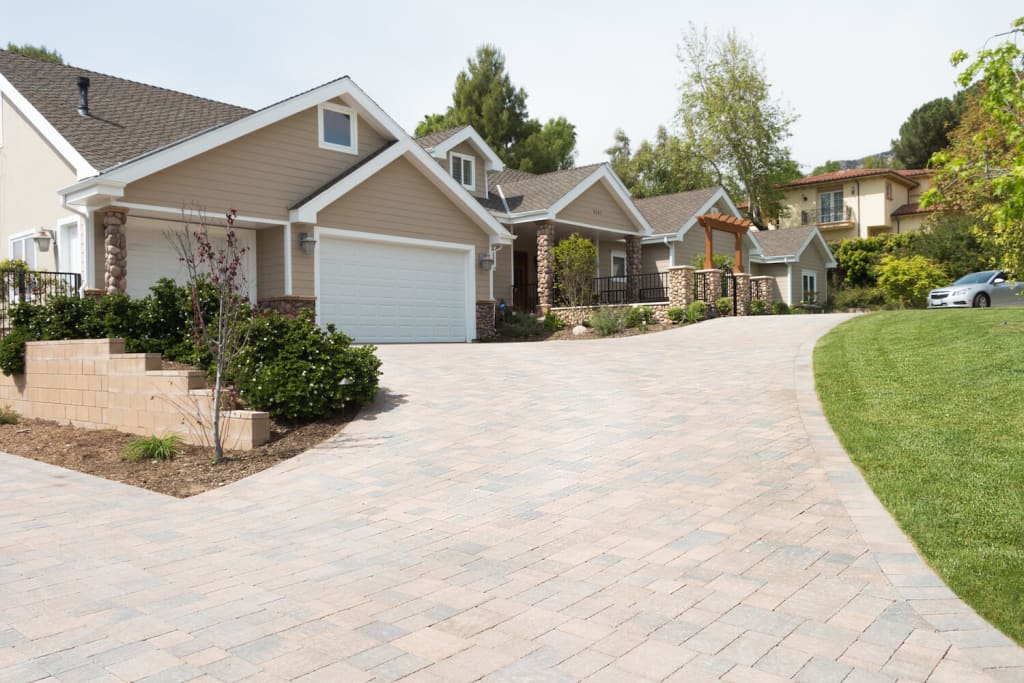
Curb appeal used to be mostly about paint colors, landscaping, and lighting. Today, the ground you drive and walk on plays just as big a role. From residential driveways to busy commercial parking lots, modern paving services combine better materials, smarter design, and precision installation to transform first impressions—and keep them looking sharp for years. If you’re planning a refresh or a full rebuild, here’s how contemporary paving is changing what “good-looking” and “long-lasting” really mean.
Curb appeal starts at street level
Pavement frames your property the way a mat frames a picture. A clean, well-graded driveway reads as intentional and premium; a smooth, clearly marked parking lot signals professionalism and safety before anyone steps inside. Modern paving brings tighter edges, truer lines, and richer, more consistent surfaces. That visual order instantly elevates everything around it—from the front façade to the landscaping.
Materials have evolved—so performance does, too
Yesterday’s asphalt and concrete can’t match today’s options. Contractors now select mixes tailored to climate and traffic patterns rather than defaulting to a one-size-fits-all recipe. Polymer-modified binders, fiber reinforcement, and admixes reduce cracking and rutting while improving durability and color uniformity. On the concrete side, additives enhance workability and finish quality, so slabs cure flatter and look better for longer. The result: a surface that stays smoother, darker (for asphalt) or brighter (for concrete), and more resistant to weather swings.
Sustainability is built in, not added on
Eco-friendly and eye-pleasing aren’t opposites anymore. Many paving services incorporate recycled asphalt pavement (RAP) and warm-mix technologies that lower emissions during installation. Permeable pavers and porous asphalt reduce stormwater runoff while creating a refined, patterned look. Lighter-colored aggregates can also mitigate heat-island effects in large parking areas. You get a beautiful finish that’s easier on your budget and the environment over the long haul.
Site prep is smarter—and more exact
Long-lasting pavement doesn’t just happen at the surface. The subbase and grading matter as much as the top layer. Leading crews use laser levels, GPS-guided equipment, and plate-load testing to confirm compaction before a single ton of asphalt or yard of concrete gets placed. That precision ensures proper drainage away from structures, consistent thickness, and fewer low spots that collect water. The curb appeal payoff is immediate—crisper lines and a uniform sheen—but the real win is fewer callbacks and patchwork repairs later.
Design is now a first-class citizen
Think beyond a slab or a strip. Contemporary paving services treat the ground plane like a design canvas. For homes, that might mean a driveway with a contrasting border, a subtle color tint, or a ribbon of pavers guiding the eye to the front door. For businesses, it could be decorative concrete at the entry, upgraded curb shapes, and island designs that make plantings pop. Even small moves—like aligning saw cuts with architectural rhythms or adding a paver apron at the street—deliver outsized visual impact.
Heated, wired, and ready for what’s next
Pavement can do more than bear weight. In colder climates, snow-melt systems (electric or hydronic) keep surfaces clear, protecting both the look and the safety of your investment. Conduit runs under new parking lots prepare you for future EV chargers without expensive tear-outs. In high-traffic areas, embedded sensors can inform maintenance schedules or count cars for planning. These smart upgrades keep surfaces cleaner and more functional, which in turn keeps them looking better.
Safety and compliance enhance the aesthetic, not fight it
Good design is good safety. ADA-compliant routes, correct slopes, high-contrast striping, detectable warnings, and thoughtfully placed signage all reduce risk—and when done well, they also look intentional and refined. Modern layout planning aligns spaces, travel lanes, and pedestrian paths so everything feels intuitive. Fewer confusing paint marks and better-placed wheel stops make lots appear larger and more orderly, improving perceived quality at a glance.
Parking lots that move traffic—and sales
A parking lot is often a customer’s first “touchpoint.” Today’s paving services re-think circulation to reduce conflict points, shorten walking distances, and improve visibility. Angled parking can speed turnover in retail settings, while wider drive aisles and right-sized stalls minimize door dings and fender benders. Clear, crisp striping and refreshed signage reinforce the brand promise: clean, cared-for, and efficient. The visual polish comes along for the ride.
Maintenance plans that protect the look (and the budget)
Curb appeal fades fast without care. The best contractors offer simple, proactive maintenance schedules: seasonal sweeping to remove grit, annual crack sealing to block water intrusion, routine sealcoating for asphalt to keep that rich, even color, and timely re-striping so markings remain bright. Small, planned touches maintain a “new” look and extend service life—avoiding the uneven patchwork that makes even fresh surfaces look tired.
Choosing the right partner for the job
Not all paving services are equal. When vetting providers, look for:
Portfolio depth: Recent projects similar to yours in size and climate.
Transparent specs: Mix designs, base thicknesses, and compaction targets spelled out.
Equipment readiness: Well-maintained pavers, rollers, and saws sized for your site.
Crew experience: The same team from prep to finish, with a clear site lead.
Scheduling discipline: Phasing plans that keep businesses open and neighborhoods moving.
Warranty and follow-up: Written coverage and a maintenance roadmap.
Red flags include vague proposals, “too good to be true” pricing, and reluctance to discuss base prep. A beautiful finish depends on invisible details done right.
What a modern paving project typically looks like
Consultation & goals: Define the look, performance needs, budget, and timeline.
Site assessment: Evaluate drainage, soil conditions, existing failures, and utility locations.
Design & layout: Choose materials, borders, patterns, slopes, and striping plans.
Subgrade remediation: Excavate, stabilize, and compact; install geotextiles if needed.
Base installation: Place and compact base layers to spec for thickness and uniformity.
Paving: Lay asphalt or pour concrete with attention to temperature, joints, and edges.
Finishing & curing: Roll for density (asphalt) or finish and cure (concrete) for strength and appearance.
Striping & accessories: Paint lines, install wheel stops, bollards, and signage.
Walkthrough & turnover: Confirm drainage, finish quality, and maintenance schedule.
The right process minimizes disruptions and maximizes that crisp, “just-completed” look.
Residential upgrades with outsized effect
For homeowners, a few design moves can dramatically boost curb appeal without blowing the budget:
Defined edges: A paver or stamped-concrete border frames the driveway and keeps gravel or mulch in place.
Textured accents: Stamped bands at the apron or garage add interest and break up large surfaces.
Strategic widening: A subtle flare near the garage eases parking and looks custom.
Color harmony: Choosing aggregates or tints that echo roof or trim colors ties everything together.
These enhancements make daily life easier while creating that “this house is cared for” impression from the street.
Commercial refreshes that look great and work better
For businesses, consider a “function-forward” facelift:
Re-stripe for clarity: Clean, high-contrast markings make lots feel safer and more premium.
Right-size spaces: Adjust stall widths to fit your typical vehicles and reduce incidents.
Pedestrian priority: Clear walkways and crosswalks encourage safe, direct foot traffic.
Entry statement: Decorative concrete or pavers at entrances set a brand tone before the door.
The visual improvement isn’t just cosmetic; it supports smoother operations and a better customer experience.
Budgeting with lifecycle, not just line items
Lowest bid often means highest total cost. Ask contractors to present lifecycle options: what does a thicker base, a different mix, or a maintenance plan do to your five- or ten-year spend and appearance? Often, a slightly higher upfront cost results in fewer repairs, less downtime, and a consistently polished look—especially critical for retail, hospitality, and multi-family properties where first impressions drive decisions.
Bringing it all together
Modern paving services blend engineering, design, and planning into a single curb-appeal upgrade. The surface is smoother and more consistent; the layout is safer and clearer; the materials are tougher and more sustainable; the finished look is unmistakably premium. Whether it’s a welcoming driveway or a high-performing parking lot, today’s paving can help your property make the right statement—day after day, season after season.
If you’re weighing options, start with your goals: aesthetics, durability, sustainability, or all three. Then choose a partner who can translate those goals into a clear scope and a clean, lasting result. Your curb appeal—and your peace of mind—will thank you.
About the Creator
Emma Wegenast
I am Emma Wegenast, an experienced SEO specialist known for my expertise in keyword research, content optimization, and link building. I help businesses improve their search rankings, drive organic traffic, and enhance online visibility.
Keep reading
More stories from Emma Wegenast and writers in Art and other communities.
How Much Does a Garage Conversion to Home Office Cost?
Working from home is here to stay—so it’s no surprise more homeowners are eyeing the garage as a ready-made workspace. It’s close to the house, already has a foundation and roof, and often needs less structural work than an addition. But what’s the real garage conversion to home office cost? Let’s break it down clearly so you can plan with confidence.
By Emma Wegenast5 months ago in Art
The River and the Drops
High in the mountains, where no one watched and no one applauded, tiny drops of water slipped from melting snow. Each drop was small, almost invisible, and carried a quiet fear within itself. They began their journey without knowing where they were going, only knowing that they were moving away from where they began.
By Sudais Zakwan7 days ago in Art



Comments
There are no comments for this story
Be the first to respond and start the conversation.