
Fred Wilson: Rearranging the Museum, Rewriting the Narrative
From Inclusion to Exposure

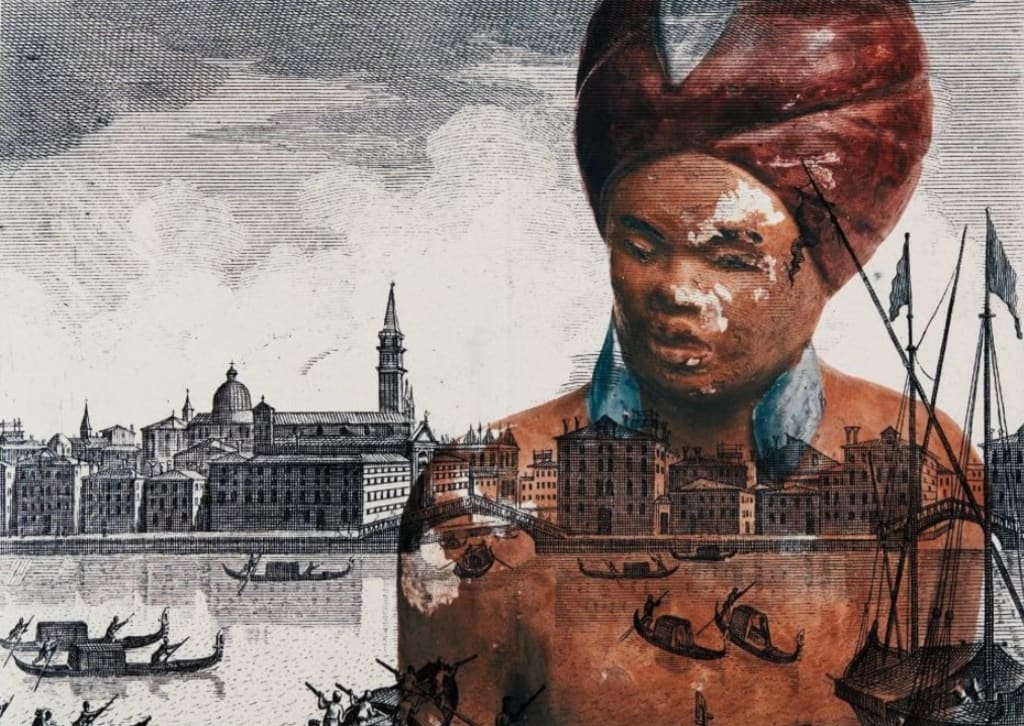
Fred Wilson didn’t add new works to the museum.
He didn’t arrive with canvases or sculptures under his arm.
Instead, he walked through the museum’s storerooms, archives, and dusty corners, asking one simple but revolutionary question:
What’s already here, and what does its silence mean?
Fred Wilson — The Mete of the Muse
Wilson’s practice isn’t about inserting marginalized voices into institutional narratives. It’s about revealing that those voices were already there, buried under years of selective storytelling, curation, and omission. He isn’t simply critiquing what museums show, he’s dissecting what they choose not to show, and why. His work exposes the deep bias embedded within the institutional gaze, challenging us to reckon with the ideological scaffolding behind the glass cases and wall texts we often take for granted.
The Power of Juxtaposition
Wilson’s most iconic project, Mining the Museum (1992), was commissioned by the Contemporary Museum in Baltimore in collaboration with the Maryland Historical Society. The materials he used? Not his own creations, but the museum’s existing collection. What he did was revolutionary in its simplicity: he rearranged it.
Fred Wilson — Mining the Museum (Metalwork 1793–1880)
He placed a pair of polished silver goblets in a vitrine, elegant and gleaming, alongside a pair of rusted iron slave shackles. The effect was immediate, and devastating. What had once been a celebration of Maryland’s wealthy colonial past was now haunted by the violence and exploitation that made that wealth possible. The objects had always lived under the same roof, but no one had dared to let them speak to each other.
In another room, he displayed a series of finely painted portraits of white landowners next to an empty pedestal labeled “Missing Objects.” The label below read: Bust of Benjamin Banneker (absent), a nod to the absence of Black historical figures in the museum’s collection. It was a reminder that omission is not neutral. It is a curatorial choice. A silence that speaks volumes. Through these calculated arrangements, Wilson didn’t just make the invisible visible, he made it unforgettable.
If you want to read more, click on the link here
Originally published at https://www.antoninolavela.it.
About the Creator
Antonino La Vela
Contemporary artist & blogger writer, exploring themes not just in my paintings. You can find more about my work and thoughts on my personal website http://www.antoninolavela.com and my blog http://www.antoninolavela.it.
Keep reading
More stories from Antonino La Vela and writers in Art and other communities.
Damiana Leaf Extract: A Natural Way to Enhance Libido
Damiana is commonly used by people seeking support for sexual wellness. For both men and women, it is often used as a natural aphrodisiac. Let’s learn more about Damiana leaf extract and its benefits in detail.
By Shea's Apothecary7 days ago in Art
How Tattoo Parlours in Cape Town Help Clients Feel Comfortable and Informed
Walking into a tattoo parlour in cape town for the first time can feel strange. You are trusting someone with your skin, your story, and a design you might wear for life. It is normal to feel excited and scared at the same time.
By Tools of Trade Studiosabout 7 hours ago in Art


Comments
There are no comments for this story
Be the first to respond and start the conversation.