
Essential Tools for Art Workshops for Special Needs
Adaptive Art Tools for Inclusivity and Acessibility

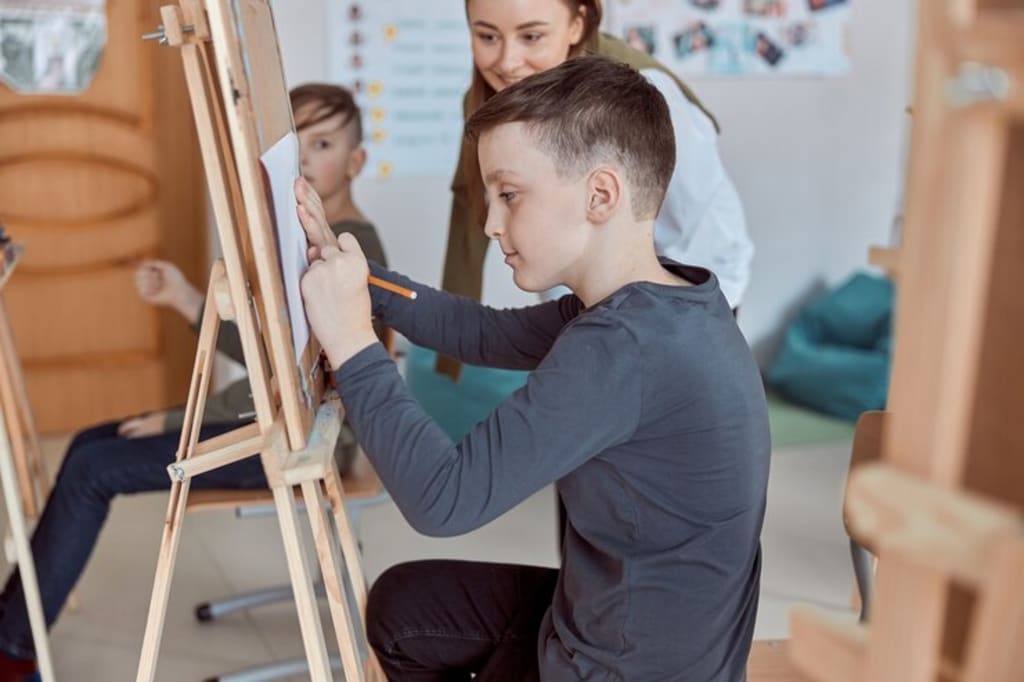
To guarantee that participants can fully participate in the creative process, organising art workshops for special needs in Miami involves careful organisation and the appropriate set of materials. Through these classes, people with special needs may express themselves artistically, gain self-confidence, and pick up new skills. Equipping the workshop with resources and tools that meet the varied requirements of the participants is essential to fostering an inclusive and joyful experience.
Tools for Adaptive Art
Adaptive tools have a big impact on individuals with fine motor issues or physical limitations. Because of the simplicity with which these instruments may be held, handled, and used, people can engage in artistic endeavours more readily. Among the instances are:
Ergonomic Brushes: These brushes are perfect for individuals with limited hand strength or dexterity because of their larger, more comfortable handles.
Easy-Grip Scissors: For individuals who might find it difficult to use regular scissors, these scissors with broader loops or spring-action mechanisms are helpful.
Adaptive drawing tools: Participants can write or draw more easily with the use of tools like grip aids, customised crayons, or pens with built-in grips.
Safe and Non-Toxic Art Supplies
In any art class, safety is of the utmost importance, particularly when dealing with people who might have certain medical requirements or heightened sensitivity. It is ensured that there are no risks for any participant by using hypoallergenic and non-toxic materials. Supplies that are need include:
Water-based, non-toxic paints and markers are easy to clean up and safe for all participants to use.
Air-Dry Clay: This adaptable substance lowers the possibility of burns and other mishaps because it doesn't need to be baked.
Natural Fibre Brushes: Natural fibre brushes are less prone to irritate skin and are gentle on it.
Materials That Are Friendly to the Senses
Sensory-friendly products that have a relaxing or exciting impact are beneficial to many people with special needs. These resources can support participants in participating more actively in the creative process:
Textured Materials: Adding materials with a variety of textures to the workspace, such as burlap, velvet, or felt, may stimulate the senses and foster creativity.
Sensory Bins: Bins with sand, rice, or other tactile materials provide a calming sensory experience when used for tasks like moulding or locating hidden things.
Soft Modelling Clay: Participants who require sensory input to maintain attention may find that soft, easily manipulable modelling clay is especially helpful.
Tools for Communication and Visual Aids
To make sure that participants can follow along with activities and comprehend directions, clear communication is essential. Communication aids and visual aids can fill up any gaps:
Visual Schedules: Participants can anticipate what comes next and maintain focus by using a visual plan that has visuals or symbols for each phase of the activity.
Picture Cards: Especially for individuals who are non-verbal, picture cards that show various art equipment, colours, or techniques might help facilitate communication.
Instructional films: Before participants start working on their projects, basic, step-by-step instructional films might be provided to illustrate procedures.
Flexible Workstations
It's crucial to design a workplace that can be adjusted and changed to meet the various demands of participants. Easels, seats, and tables that can be adjusted can improve accessibility in the workshop:
Tables that can be adjusted in height guarantee that everyone can work on their projects comfortably, including those who use wheelchairs.
Portable Easels: Participants may work at their favourite angle while sitting or standing thanks to these lightweight, portable easels.
Floor Cushions: Providing soft cushions or mats makes the workstation more pleasant and accessible for people who like to work on the ground.
Helpful Technology
Facilitating the workshop using assistive technology might enable participants to interact with art in fresh and creative ways.
Touch-Screen Tablets: People who struggle with traditional art equipment might find it very helpful to explore digital art on tablets loaded with art apps.
Speech-Activated Devices: These devices allow users to manipulate certain elements of their art creations with speech instructions, which can help participants with hand mobility limitations.
Switch-Activated Devices: Those with severe physical disabilities can produce art with little physical effort thanks to switches that engage art instruments like spin art machines.
Encouragement Resources for Expressing Emotions
Art is a potent medium for expressing emotions, and participants can use the following skills to better communicate their experiences and feelings:
Emotion Wheels: Participants may recognise and express their feelings via their artwork by using emotion wheels, which come with a variety of face expressions.
Journaling Supplies: Giving participants diaries and writing supplies allows them to process their feelings and think back on their artwork.
Collage Materials: Participants can construct mood boards or visual narratives that convey their ideas and emotions by using magazines, newspapers, and other collage materials.
Tools for Group Collaboration
Facilitating cooperation among participants cultivates a shared feeling of creativity and community. Among the resources that help with group projects are:
Huge Canvases: large, group canvases that allow users to collaborate to produce a piece of art as a group.
Painting tools, brushes, and large rolls of paper are examples of group mural supplies that inspire collaboration among participants working on a common project.
Collaborative Sculpting Materials: For collaborative projects where each member adds to a bigger piece of art, sculpting materials such as clay, plaster, and others can be employed.
In summary
Providing Art Workshops for Special Needs in Miami with the appropriate resources is essential to fostering an environment that is welcoming, interesting, and empowering for each and every participant. Everyone may experience the advantages of artistic discovery and creative self-expression if adapted tools, sensory-friendly materials, and supportive technology are thoughtfully chosen.
Having these fundamental resources also helps to provide the Best Special Needs Care in Miami since it emphasises how important accessibility and inclusion are to all facets of growth and care. For those with exceptional needs, these courses not only encourage creativity but also social connection, emotional expression, and personal development.
About the Creator
Special Mothers in Action
We are a non profit organization who help families with disabled children. We are dedicated in providing in any and all assistance you may need.
Keep reading
More stories from writers in Art and other communities.
The Other Way
The Other Way – Story No. 2878 Nader had a gold watch, a precious gift from his grandfather. “Sir! Please, just give me two hundred rupees. You can deduct it from my wages. For God’s sake, have mercy on me, I am poor!” Nasser’s eyes were filled with tears as he clutched the feet of Seth Qamaruddin, pleading desperately.
By Sudais Zakwana day ago in Art
In the Name of Allah
Ahmad Raza was a children’s author who specialized in mystery and detective stories. His tales were filled with suspense and wonder, captivating readers of all ages. At home, besides him, only one trustworthy servant, Akram, managed the household. Ahmad Raza’s wife had passed away years ago, and their only son, a doctor, lived in the United Kingdom.
By Sudais Zakwana day ago in Art
The Blue Ridge Stalker
Tom had left the Ford down the way, its spark plugs finally exhausted and no mechanics for a dozen miles back through the foothills to Strossburg. No matter, he had worn his boots—almost as if he planned for this to happen. The puzzle he sought to solve emanated from the woods clinging to the slopes above; the valley behind held no mysteries.
By Stephen A. Roddewig5 days ago in Fiction


Comments
There are no comments for this story
Be the first to respond and start the conversation.