
Drake: From Degrassi to Global Domination — The Evolution of a Cultural Architect
Drake From a child actor in Toronto to the world’s most streamed artist,

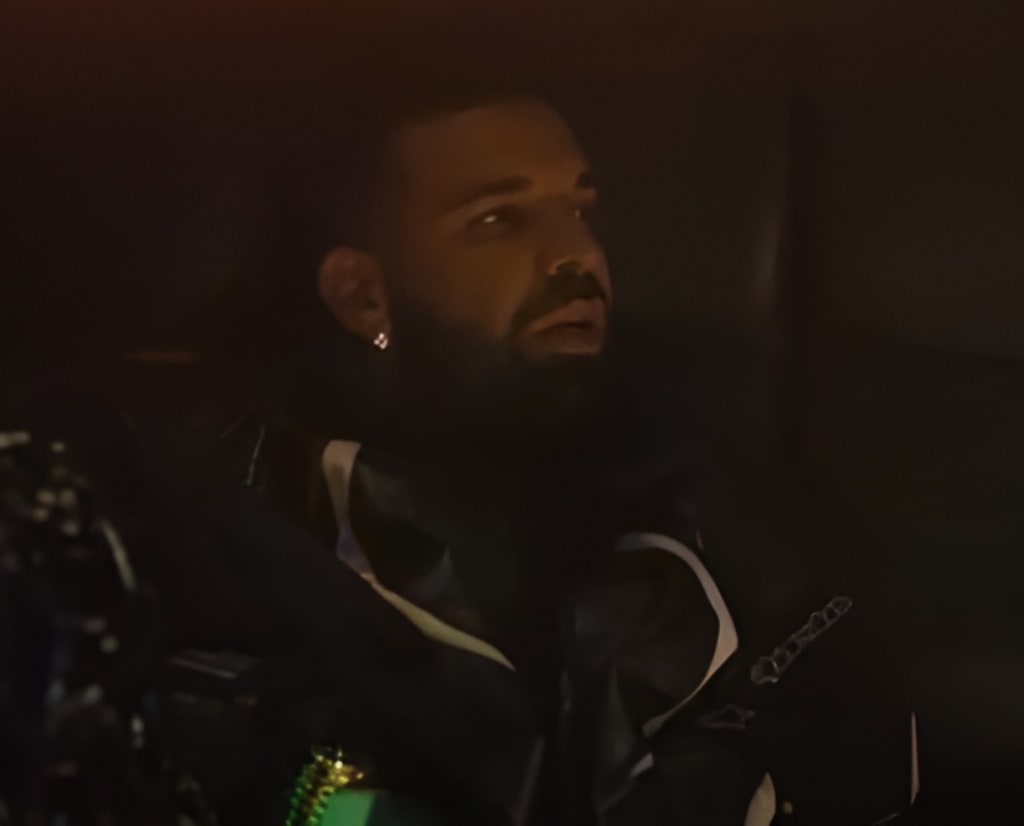
Drake: From Degrassi to Global Domination — The Evolution of a Cultural Architect
I. The Boy from Toronto: A Story Rewritten
Born Aubrey Drake Graham on October 24, 1986, in Toronto, Canada, Drake's origin story is far from the typical rags-to-riches narrative, yet it contains the depth and complexity that fuels many of his lyrics. Raised by his mother, Sandi Graham—a Jewish educator and former florist—after his parents' divorce, Drake spent most of his childhood in the culturally rich, yet economically modest neighborhood of Forest Hill.
Though his father, Dennis Graham, was a drummer who once played alongside Jerry Lee Lewis, his relationship with Drake was distant during his formative years. This complicated father-son dynamic would later become a recurring theme in Drake’s music. His early exposure to music came through his father’s musical legacy and his uncle Larry Graham, the bassist for Prince.
II. From Teen Actor to Hip-Hop Royalty: A Genre-Jumping Transformation
Drake’s first claim to fame came not through a mic, but through the screen—playing Jimmy Brooks, a wheelchair-bound basketball player, on the Canadian teen drama Degrassi: The Next Generation. While the show gave him a platform, Drake always envisioned something bigger. By 2006, he began releasing mixtapes, including Room for Improvement and Comeback Season, which displayed not only lyrical promise but also his signature emotional transparency.
His breakout moment came with the 2009 mixtape So Far Gone, particularly the hit single "Best I Ever Had," which caught the attention of Lil Wayne and led to a record deal with Young Money Entertainment. From there, Drake's ascent was meteoric.
III. The Architect of a New Sound: Emotional Rap Meets Global Pop
Drake's discography is both prolific and genre-defining. Albums like Take Care (2011), Nothing Was the Same (2013), Views (2016), and Scorpion (2018) not only topped charts but also redefined what rap music could be. He pioneered a style that blended confessional lyricism, moody atmospheres, and melodic hooks, helping mainstream a softer, more introspective form of hip-hop.
He also helped globalize the genre, incorporating Caribbean dancehall (Controlla), British grime (War), and Afrobeats (One Dance) into his repertoire. The result: a universal sound that transcended borders and cultures.
IV. Records Shattered and Thrones Claimed
Drake's list of accolades reads like a fantasy résumé:
Over 400 charted songs on the Billboard Hot 100 (a record).
More Top 10 hits than The Beatles.
Over 350 million records sold worldwide.
Four Grammy Awards (from over 50 nominations).
First artist to surpass 75 billion streams on Spotify.
In 2021, Billboard named him the Artist of the Decade, and in 2023, his Her Loss collaboration with 21 Savage reinforced his dominance over both charts and streaming platforms.
V. October’s Very Own: Beyond the Music
Drake is not just a performer; he's a brand. His OVO (October’s Very Own) empire spans a fashion label, music label, and annual festival in Toronto that draws global audiences. He also dabbled in television and film production, co-founding DreamCrew, the company behind HBO’s Euphoria and Netflix’s Top Boy revival.
He’s a savvy investor too, with stakes in brands like Virginia Black Whiskey and the esports company 100 Thieves. His association with the Toronto Raptors has also helped globalize NBA fandom through his role as the team’s global ambassador.
VI. The Eternal Underdog: Aspirations and the Future of Drake
Despite his global superstardom, Drake often positions himself as an outsider or underdog—a theme he uses both as creative fuel and personal mantra. His lyrics continue to explore the loneliness of fame, the complexities of love, and the cost of ambition. He frequently alludes to retirement but never fully commits, hinting at a future filled with experimentation rather than absence.
In 2024, Drake teased a shift toward more intimate, experimental projects—less chart-focused and more artful. He’s hinted at an interest in directing films and has reportedly been developing a documentary exploring the evolution of Black music in North America.
VII. Conclusion: The Man Who Bent the Industry
Drake is more than a rapper or singer—he’s an institution. He redefined masculinity in hip-hop, blurred genre boundaries, and created a sound that serves as a cultural mirror. While his critics argue he plays too safely in the commercial realm, few can dispute his impact.
From a child actor in Toronto to the world’s most streamed artist, Drake’s journey is a testament to reinvention, resilience, and the power of emotional authenticity. As he moves into the next phase of his career, the world waits—not just for the music, but for what he decides to build next.
About the Creator
Nivard Anna
I am a woman who loves listening to audio books about thought, and loves writing and raising children
Keep reading
More stories from Nivard Anna and writers in Art and other communities.
Taylor Swift: The American Music Icon Reshaping the Industry, One Era at a Time
Taylor Swift: The American Music Icon Reshaping the Industry, One Era at a Time In the ever-evolving landscape of American music, few artists have commanded attention, broken records, and redefined the industry rulebook quite like Taylor Swift. From her early days as a country music prodigy armed with a guitar and a diary full of stories, to her current status as a global pop culture and economic powerhouse, Swift's trajectory is not just a career; it's a phenomenon, a masterclass in songwriting, business acumen, and connecting with an audience on an unprecedented scale.
By Nivard Anna7 months ago in Art
Why Strategic Branding Is Essential for Long-Term Business Growth
In today’s fast-paced digital environment, businesses face constant pressure to stand out. Consumers are exposed to endless choices every day, making attention harder to earn and trust harder to keep. While quality products and services are important, they are no longer the only factors that determine success. Strategic branding plays a key role in helping businesses grow steadily and remain relevant over time.
By Ayush Bagwaria day ago in Art



Comments (1)
Drake's journey from Degrassi to hip-hop stardom is fascinating. His early family life and mixtapes set the stage for his incredible success.