
Digital Twins – Revolutionizing the Future of Smart Systems
"How Virtual Replicas Are Powering Real-Time Insights and Intelligent Decision-Making"

Imagine having a virtual replica of a physical object that behaves and reacts just like the real one. Sounds futuristic? Welcome to the world of Digital Twins – a transformative technology reshaping industries, from healthcare to manufacturing and smart cities.
In this blog, we’ll explore what Digital Twins are, how they work, their key benefits, and real-world applications that prove they’re not just a buzzword but a game-changer.
Explore more blogs.
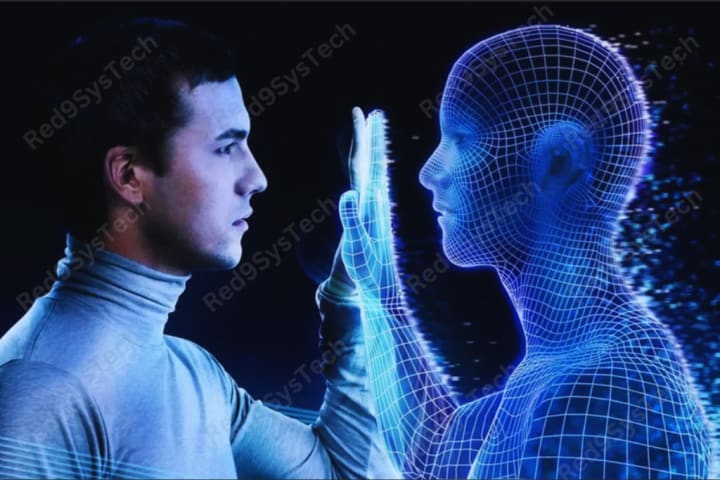
What is a Digital Twin?
A Digital Twin is a real-time digital counterpart of a physical object, process, or system. It uses data from sensors and IoT devices to mirror the actual object in the digital world, allowing simulation, analysis, and monitoring without touching the real thing.
Think of it as a “living” model that evolves with its real-world twin, thanks to continuous data flow.
How Do Digital Twins Work?
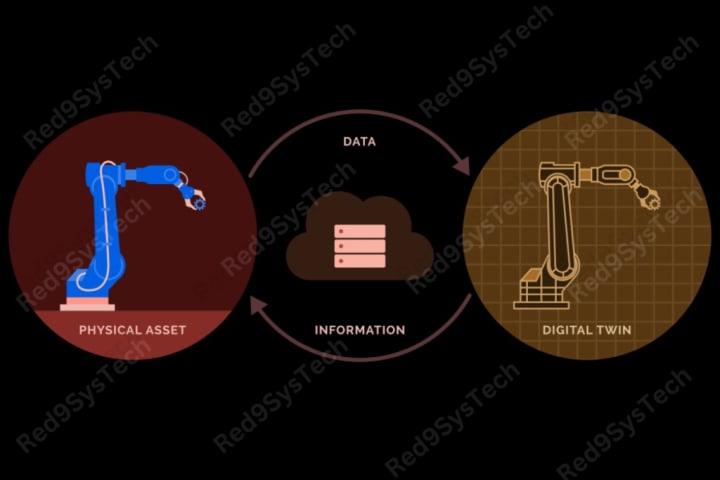
- Data Collection – Sensors collect real-time data from the physical entity.
- Digital Modeling – A 3D or algorithmic model is created to replicate the object or system.
- Integration & Analysis – Data is processed using AI, ML, and analytics to simulate behavior.
- Feedback Loop – Changes in the digital model can be used to optimize the real-world system.
Explore more blogs.
Benefits of Using Digital Twins
Predictive Maintenance
Avoid downtime by identifying issues before they occur.
Enhanced Product Design
Test models virtually before investing in physical prototypes.
Real-time Monitoring & Control
Improve efficiency by observing real-time data and adjusting processes instantly.
Cost Reduction
Save resources by simulating expensive experiments digitally.
Top Real-World Applications of Digital Twins
- Manufacturing – Smart factories use digital twins to track machine performance and product quality.
- Automotive – Car companies simulate crash tests and engine performance.
- Healthcare – Personalized patient twins help in treatment planning.
- Smart Cities – Urban planners use twins to simulate traffic and infrastructure planning.
- Agriculture – Monitor soil, crop health, and irrigation systems using digital replicas.
Explore more blogs.
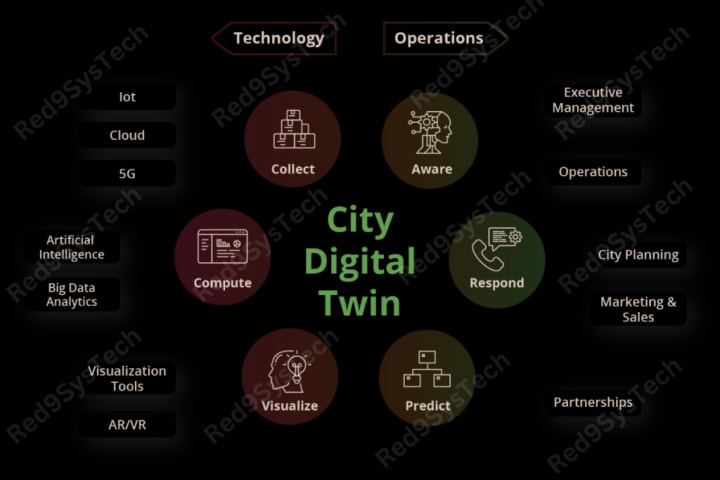
Future of Digital Twins
The future of Digital Twins lies in integration with AI, edge computing, and 5G, which will lead to even more autonomous and intelligent systems. From metaverse-ready cities to self-healing machines, the potential is limitless.
Conclusion
Digital Twins are not just a trend — they are the future of digital transformation. Whether you’re in tech, healthcare, or manufacturing, this innovative solution can offer predictive insights, smarter decisions, and real-time control like never before.
Explore more blogs.
About the Creator
21 Freelancing Tips to Build a Successful Career (From Someone Who Actually Did It)
TL;DR version (60 seconds read time) + Paypal receipt at the end of the blog. I’ve made thousands of dollars with freelancing. See screenshots at the end of the post. Everything I say to you, I’ve tested it first on myself.
By Dena Falken Esq3 days ago in Art


Comments
There are no comments for this story
Be the first to respond and start the conversation.