
Crafting the Perfect Exhibition Stand: A Step-by-Step Guide to Success
An exhibition stand is more than just a structure; it’s a strategic marketing tool that embodies your brand’s identity, message, and values.


In the cutthroat world of trade events and exhibitions, initial impressions matter a lot. Your exhibition stand serves as a powerful representation of your brand, often providing the initial point of contact with potential customers. A well-designed booth can capture attention, generate valuable leads, and foster lasting business relationships. This guide takes you through the essential elements of creating an impactful exhibition stand, covering design, materials, logistics, and the integration of modern technology.
The Role of an Exhibition Stand
An exhibition stand is more than just a structure; it’s a strategic marketing tool that embodies your brand’s identity, message, and values. It’s where your brand engages face-to-face with its audience. Therefore, the design and construction process requires careful planning, an understanding of your brand's vision, and insights into current market trends.
Key points to consider:
Brand Consistency: The stand should visually align with your brand’s colors, logos, and messaging.
Audience Targeting: Consider the preferences of your target audience—whether they are industry professionals or general visitors, the design should appeal to their expectations.
Designing for Visual Impact
The design of your exhibition stand is crucial to attracting attention and encouraging visitor engagement. While creativity is essential, functionality should not be overlooked. The most effective stands strike a balance between aesthetics and usability.
a. Standout Visual Elements
In a crowded exhibition hall, your stand must capture attention. Consider incorporating:
Lighting: Use creative lighting, such as spotlights or backlighting, to highlight key areas.
Bold Colors: Leverage your brand’s color scheme to draw in visitors and ensure consistency.
High-Quality Graphics: Use high-resolution images, videos, and animations to deliver dynamic content on LED displays.
b. Optimizing Layout
A well-thought-out layout should facilitate smooth visitor flow and interaction. Depending on your space and goals, you might opt for:
Open Designs: Which invite visitors to enter and move freely around your booth.
Segmented Zones: Which allow for designated areas for demos, one-on-one discussions, or casual mingling.
c. Sustainable Materials
With sustainability becoming more critical, consider eco-friendly materials like:
Recyclable Components: Use materials like aluminum and fabric that are both durable and recyclable.
Reusable Designs: Opt for modular structures that can be disassembled and reused at future events.
Harnessing Technology for Engagement
Incorporating technology into your exhibition stand is a great way to enhance visitor experience and interaction. Here’s how technology can bring your booth to life:
Interactive Screens and Tablets: These allow visitors to explore your products or services digitally without relying solely on sales staff.
Augmented and Virtual Reality (AR/VR): Immersive tech like AR or VR can help demonstrate your products in a dynamic, memorable way.
Data Capture Tools: Make it easy to collect visitor information through QR codes, RFID, or dedicated event apps for post-event follow-up.
Managing Logistics: From Planning to Execution
Beyond the creative aspects, building an exhibition stand requires a well-coordinated approach to logistics. Here are the key steps to ensure a smooth process from concept to completion:
a. Detailed Planning and Scheduling
Establishing a clear timeline is essential for meeting deadlines. Key milestones should include:
Finalizing the Design: Ensure all design decisions are locked in well before the event.
Production: Start building custom components and ordering materials early to avoid delays.
Shipping and Installation: Coordinate transportation and setup, keeping in mind the venue’s restrictions and setup timelines.
b. Staying Within Budget
A detailed budget helps to control costs and avoid overspending. Essential budget categories include:
Design and Build: Consider material costs, labor, and any custom construction elements.
Shipping Costs: Shipping can be costly, especially for large stands or international exhibitions, so plan accordingly.
On-site Services: Account for additional venue charges, such as electricity, internet access, or setup services.
c. Compliance and Safety
It’s crucial to adhere to the venue’s regulations regarding booth construction and safety. Ensure:
Fire Safety: All materials should be fire-retardant, and exits must remain unobstructed.
Weight Limits: Verify that your stand can support any heavy displays, especially if you’re showcasing large products.
Boosting Engagement: Interactive Features and Marketing Tactics
A striking stand can attract attendees, but engagement drives results. Here are strategies to keep visitors interacting with your booth and converting those interactions into leads:
a. Live Product Demos
If your product or service shines through use, live demonstrations can draw crowds. Schedule demos at regular intervals and make them visible from outside the stand to engage passing attendees.
b. Interactive Displays
Incorporating interactive features will leave a lasting impression:
Games and Quizzes: Create fun, brand-related games or quizzes that educate visitors while entertaining them.
Samples and Giveaways: Offering product samples or free items encourages engagement and leaves visitors with a tangible reminder of your brand.
c. Branded Promotional Items
Promotional giveaways can be effective if chosen wisely. Focus on:
Usefulness: Items like branded power banks, USB drives, or reusable water bottles are practical and likely to be kept.
Branding: Ensure your logo and contact information are clearly visible on all promotional items for easy follow-up.
Post-Event Evaluation: Analyzing Booth Success and Refining for Future Events
After the event, it’s important to assess the booth’s performance and gather insights for improvement. Consider the following:
a. Lead Generation and Conversion
Analyze the number and quality of leads collected at the booth. Did your stand attract the right audience? How many leads showed genuine interest in your products or services?
b. Booth Effectiveness
Examine how the booth’s design contributed to its success. Did visitors spend time engaging with your staff? Were there areas that felt too crowded or, conversely, underutilized?
c. Staff and Attendee Feedback
Collect feedback from both booth staff and attendees to understand what worked well and what could be improved. Insights from this feedback can be invaluable when planning for future exhibitions.
Conclusion
Creating a successful exhibition stand involves more than assembling a structure—it requires strategic design, efficient logistics, and engaging technology. By focusing on these elements, businesses, especially those partnering with an exhibition stand builder in Berlin, can create a booth that not only captures attention but also fosters meaningful interactions with potential customers. When executed effectively, an exhibition stand becomes a powerful platform for communicating your brand’s story, generating leads, and building strong relationships with your audience.
About the Creator
Ava Martin
I am Ava Martin, working as an employee at MizoGlobal, I specialize in creating exceptional exhibition experiences.
Keep reading
More stories from Ava Martin and writers in Art and other communities.
Designing Standout Exhibition Stands: A Complete Guide for Builders and Brands
Trade shows and exhibitions provide a unique platform for businesses to connect directly with potential customers, partners, and industry professionals. A well-designed exhibition stand not only serves as a brand’s physical representation but also creates an engaging space that attracts attention, fosters interactions, and drives results.
By Ava Martinabout a year ago in Art
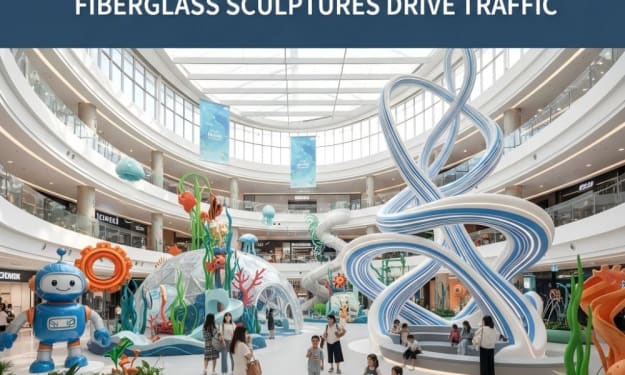
2026 Commercial Space Design:How Fbierglass Sculpture Drives Traffic
Today, offline commercial spaces are facing continuous pressure. With e-commerce offering convenient and fast services, physical stores must showcase unique features to attract customers. In this context, fiberglass sculptures are no longer merely decorative items; they have become visual focal points in shopping malls, brand stores, pop-up shops, and mixed-use commercial projects, playing a crucial role in increasing foot traffic.
By Shenzhen Ruiheng Crafts7 days ago in Art
Why Strategic Branding Is Essential for Long-Term Business Growth
In today’s fast-paced digital environment, businesses face constant pressure to stand out. Consumers are exposed to endless choices every day, making attention harder to earn and trust harder to keep. While quality products and services are important, they are no longer the only factors that determine success. Strategic branding plays a key role in helping businesses grow steadily and remain relevant over time.
By Ayush Bagwari7 days ago in Art



Comments
There are no comments for this story
Be the first to respond and start the conversation.