
Columbarium Design Trends
What Cemetery Operators Need to Know

Key Takeaways
- Cemeteries are evolving toward sustainable, community-focused memorial spaces.
- Natural materials and landscapes define modern columbarium design.
- Mixed materials and modular builds improve flexibility and longevity.
- Indoor niches offer comfort and year-round accessibility.
- Personalization and technology enhance visitor connection.
- Eco-friendly, multifunctional spaces strengthen community engagement.
Cemeteries are changing. The once ubiquitous rows of traditional headstones are giving way to spaces that are more sustainable, intentional, and visually meaningful.
With cremation rates on the rise, columbaria are becoming central structures in many cemeteries. They serve not just a practical purpose, but also enhance the overall aesthetic and emotional experience of memorial spaces.
For cemetery operators, understanding today’s columbarium design trends is about more than just staying current. It’s about ensuring internment spaces are both meaningful for families and sustainable for the long term.
1. Architecture and Nature
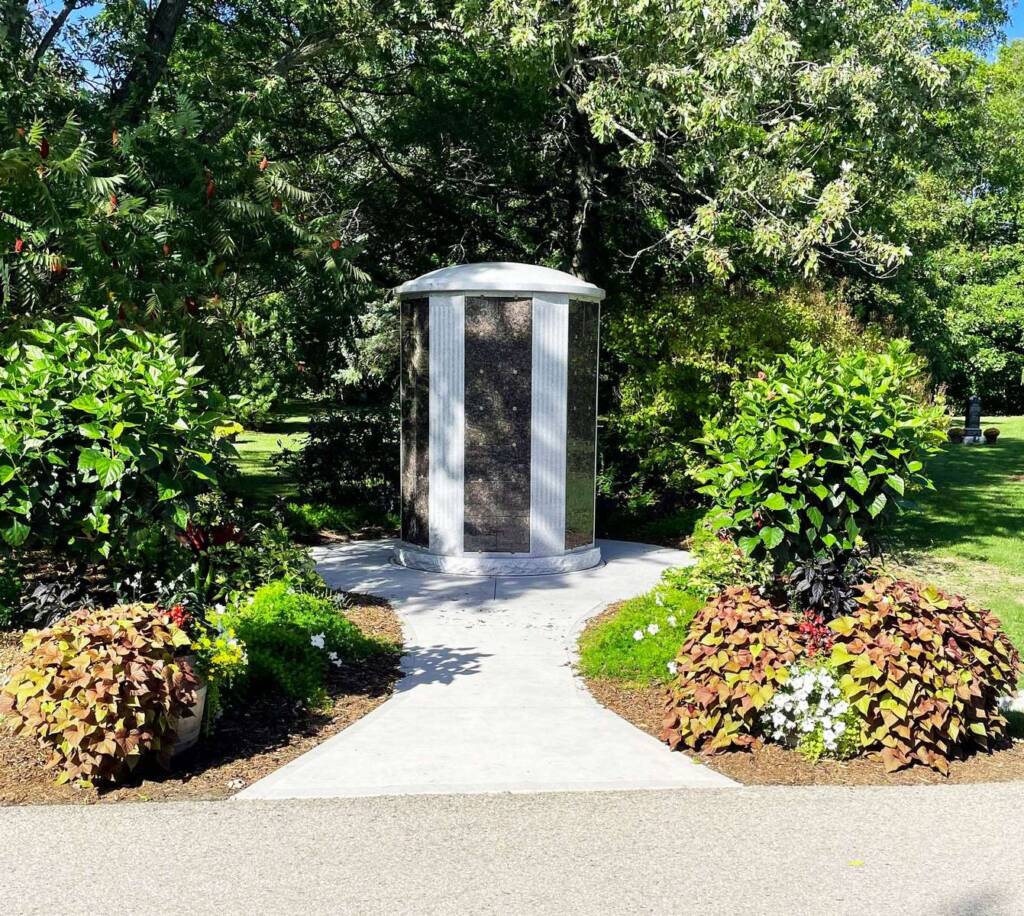
In all areas of design, there’s been a shift towards nature informing architecture. It’s a movement called biophilic design. Forward-thinking cemetery operators are increasingly focused on creating memorial environments that feel organic—part of the landscape, rather than separate from it.
Natural Design Trends
- Garden settings: Structures placed along walking paths or within landscaped courtyards or areas of natural, native growth.
- Natural materials: Units constructed of granite or limestone to echo their surroundings.
- Water features: Columbaria situated beside reflective ponds or gentle fountains.
These designs don’t just look beautiful. They encourage visitation and help cemeteries feel like welcoming community green spaces, not just places of mourning.
2. Modern Materials
While stone remains a timeless choice for construction, modern columbarium designs increasingly feature updated materials and clean lines. New options allow cemetery operators to install columbaria that feel both durable and visually engaging.
Mixing materials is becoming more common, with builders turning away from solid stone units and incorporating aluminum to both strengthen the units and increase available space. Glass-front niches are another growing favorite, as they add an intimate, contemporary touch to austere structures.
3. Modularity

Cemeteries only have so much space, and the cost of acquiring additional land continues to rise. The ability to add capacity vertically or in phases makes columbaria a more practical long-term investment.
Incremental Installation
Modular columbaria systems are trending because of their flexibility. Cemetery owners can start small and expand as demand increases, but still maintain consistent aesthetics. This helps manage costs, aligning development with revenue and community needs.
4. Indoor Niches
In the past, indoor internment areas in cemeteries primarily housed caskets. Traditional enclosed mausoleum buildings grew in popularity by offering better space efficiency, durability, and accessibility than outdoor burial plots.
Now, cemetery owners are building on those benefits by including more cremation niches in their interior spaces. Design ideas include:
- Adding niches along existing empty walls—and even in window spaces—to expand capacity without requiring major construction.
- Incorporating skylights to filter in soft daylight that makes the area feel inviting.
- Making more creative use of the space to incorporate seating, artwork, and other warm touches.
Indoor inurnment is particularly appealing in regions that experience weather extremes. Building enclosed columbaria helps maintain consistent humidity and temperature levels, making memorial spaces more comfortable for visitors year-round.
5. Personalization

Broader cultural shifts are driving the trend of personalization in memorial design. Cremation is becoming an increasingly popular option, and traditional burial customs are being replaced by more creative, emotional approaches to honoring a life.
People want spaces that reflect individuality, not conformity. Personal touches make columbaria feel more meaningful, offering a sense of connection that a standard niche may not.
Customization Ideas
Modern columbarium designers are offering customizable ways for cemeteries to enhance the memorial experience:
- Engraved plaques or panels with custom imagery.
- Glass-front niches that allow for the display of not just an urn, but also photos and mementos.
- Family or mini-columbaria, where multiple generations can be memorialized together.
By focusing on individuality, cemeteries strengthen emotional ties with families and stand out in a competitive marketplace.
6. Technology
Columbaria are evolving to include digital enhancements that offer families new ways to connect, share, and preserve stories. Trending ideas include:
- Touchscreens to help visitors locate niches.
- QR-coded plaques on niches that link to digital memorial pages.
- Remote visitation, where cameras provide live views of niches to loved ones unable to visit in person.
Incorporating technology in columbaria isn’t simply a novelty. It’s an accessibility tool that strengthens the connection between the living and those who have passed.
7. Environmental Responsibility
Concerns about sustainability and stewardship of the planet have given rise to a new way of thinking about housing the remains of those who have passed. More eco-conscious cremation and inurnment options are becoming available, and industry innovations are taking environmental considerations even further.
Sustainable Design Features
Cemetery owners are incorporating more ecologically minded features in their newly constructed columbaria, including:
Materials that are recycled or locally sourced.
Solar energy systems to power energy-efficient LED lighting.
Surrounding landscaping that focuses on drought-tolerant and/or native species.
Structures that integrate into the terrain without reshaping it.
For cemetery owners, addressing trending sustainability issues makes not just environmental but also economic sense, as many “green” features reduce costs over time. There can also be a noticeable uptick in business from clients who prioritize earth-friendly practices.
8. Multifunctionality
A major trend seen across the cemetery industry is the renewed embrace of memorial sites as public spaces, designed to welcome community members at large and not just those who have a loved one interred.
In a piece for Smithsonian Magazine, author Devinne Melecki writes of how her habit of reading in a tree-lined cemetery near her home led her to discover that 200 years ago, American cemeteries were akin to public parks. People would gather in them for promenades and picnics and enjoy nature. That idea is making a comeback.
A Return to Community Use
Now, cemetery owners are inviting communities into their spaces for occasions other than funeral services and grave visitations. In Los Angeles, the Hollywood Forever Cemetery famously hosts open-air movie nights. Columbaria gardens are serving as spots for:
- Family picnics
- Talks, meetings, and lectures
- Mindfulness and meditation sessions
- Yoga and Tai Chi practices
While columbaria will always be places for respectful contemplation, that concept is being expanded to integrate memorial spaces into daily community life.
Looking Forward
The latest columbarium design trends show that memorial spaces needn’t remain stuck in the past. By adopting ideas that are sustainable, adaptable, and personal, cemetery operators are redefining how cemeteries serve their communities today.
These trends go far beyond simply modernizing. They’re about creating lasting places that remain relevant, resilient, and reflective of changing needs. The most successful operators will embrace innovation in ways that balance practical considerations and visitor experience—meeting today’s needs and remaining flexible for the future.
About the Creator
William Powell
William Powell is a writer and educator with a passion for marketing. He enjoys learning about the latest business trends and analyzing how global events impact domestic and international economies.
Keep reading
More stories from William Powell and writers in Art and other communities.
The Benefits of End-to-End Warehouse Services for E-commerce Businesses
Running an online shop sounds simple on paper. Upload some products, write catchy descriptions, put ads online, and watch the sales roll in. But anyone who’s actually built an e-commerce business knows there’s more to the story.
By William Powell5 months ago in 01
Golden Journey
Once in a small town named Willow Creek, something extraordinary was about to happen. The sun was setting, casting long shadows and a golden glow across the landscape. Among the townspeople was a curious boy named Ethan. A dreamer with bright green eyes and messy brown hair, Ethan was often lost in his thoughts. He wanted to explore worlds beyond his own, driven by the tales of adventure his grandmother used to tell him.
By Hamad Afridi about 21 hours ago in Art
A Knight of the Seven Kingdoms Series Review (Season 1)
As one of the biggest properties in fantasy, A Song of Ice and Fire remains immensely popular with audiences. After reaching far into the past with House of the Dragon, a second spin-off was on the cards. A Knight of the Seven Kingdoms serves up a bite-sized slice of action and drama, but it still claims a spot among the best small-screen titles.
By Robert Cain3 days ago in Geeks


Comments
There are no comments for this story
Be the first to respond and start the conversation.