
BLOCK, Be Gone!
5 things that help me overcome artist's block

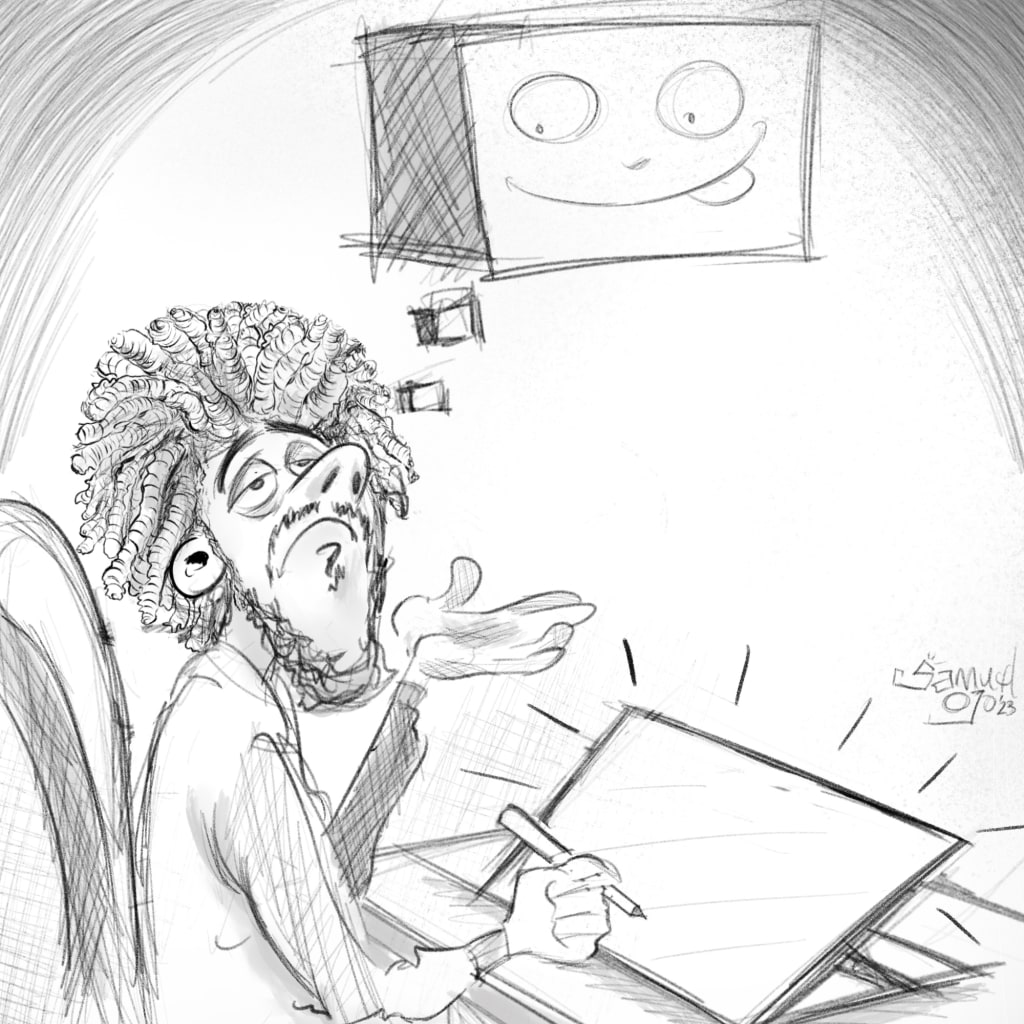
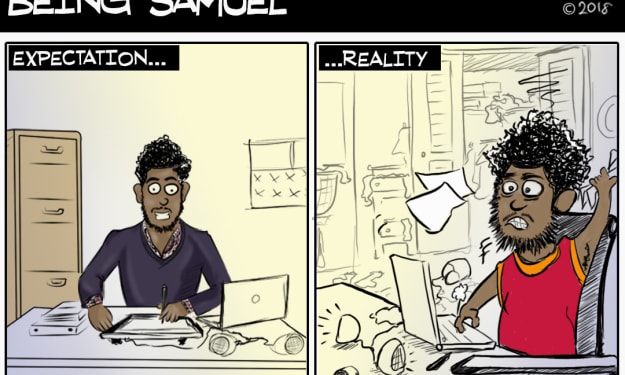
Forgive me if that headline sounds too dramatic, but I'd be dishonest if I didn't at least try to convey the frustration that comes with dealing with artist's block (I chronicled one of my recent bad episodes here). If you've never experienced it, congratulations! You're living proof that aliens do exist.
We’ve all been there—staring at a blank canvas, sketchpad, or digital screen, waiting for inspiration to strike. It’s like your creativity is on vacation without notice. I don't work with a canvas, but hopefully, these tips I've found helpful will work for anyone else, regardless of medium. So, don't panic. Or better still, get all the panic out and then roll up your sleeves, it's time to fight the BLOCK.
Another person’s perspective can open up possibilities you hadn’t considered...
1. Step Away from Creativity
Sometimes, the harder you push, the further away creativity seems to get. If you’ve been working tirelessly on your art, take a break! Do something completely unrelated to your current project. Go for a walk, binge-watch a show, read a book, or my personal favorite, throw yourself into physically tasking house chores (swapping your paintbrush for a toilet brush might just do the trick). Stepping away from your creative zone can give your brain a much-needed reset. Before you know it, you might have that "aha!" moment when you least expect it.
2. Try a Different Medium
To be honest, this is one of the tricks I consider last, but I 100% recommend it. If, like me, you express yourself best with digital tools, try getting your hands dirty with some watercolors or oil colors. Or even play around with clay. Switching to a different medium can refresh your creativity. The key? Play around without pressure. Emphasis on PLAY. Exploring a new medium removes the expectation of perfection and lets you rediscover the joy of creating. Plus, you might stumble upon a new technique or style you can bring back to your usual work.
3. Set Small, Achievable Goals
When the creative juices have dried up, the thought of starting a big project can feel overwhelming. Instead of aiming for a masterpiece, start small. Set tiny goals like doodling for five minutes or painting one simple object. This usually helps me ease back into creating without the pressure of perfection. And once you get going, you might just find that your creative block starts to lift.
4. Surround Yourself with Inspiration
Your brain can only do so much. That's what other people's brains are for! If your imagination feels stuck, it might be time to soak up some outside inspiration. Visit a museum, scroll through online art galleries, or flip through your favorite art book. Even watching art documentaries can spark ideas in you. The trick? Expose yourself to different sights and experiences, allowing them to stir up new thoughts and ideas.
5. Collaborate or Get Feedback
I can't stress enough how mind-blowing this one is. Creativity thrives in community. If you’re feeling stuck, why not reach out to fellow artists for feedback or collaborate on something new? Another person’s perspective can open up possibilities you hadn’t considered. Even just talking through your ideas with someone else can reignite your excitement. Whether it’s an online community or a local art group, connecting with others can remind you that you’re not alone in your struggles—or your breakthroughs.
In the end, overcoming artist’s block isn’t about forcing creativity; it’s about allowing it to return naturally. I also want to stress how important it is to step away from stress triggers and pay attention to your mental health. Before you know it, that block will be a thing of the past, and you’ll be back in your creative groove!
Let me know if you have any tried and tested tips of your own. The more, the merrier.
About the Creator
Samuel Ojo
Sam here! A sucker for anything art, especially social justice & political art.
Reader insights
Nice work
Very well written. Keep up the good work!
Top insights
Compelling and original writing
Creative use of language & vocab
Easy to read and follow
Well-structured & engaging content
Expert insights and opinions
Arguments were carefully researched and presented
Masterful proofreading
Zero grammar & spelling mistakes
On-point and relevant
Writing reflected the title & theme
Keep reading
More stories from Samuel Ojo and writers in Art and other communities.
An Accidental Artist's First Post
New to Vocal, and I thought to share a little of my journey so far here. Call it a Factsheet if you will. I’m Sam, a cartoonist and illustrator. You'll find me mostly documenting issues with social and political themes. I'm a Nigerian living in the United Kingdom where I recently completed my Masters in Visual Communication at Birmingham City University.
By Samuel Ojo2 years ago in Art
2026 Commercial Space Design:How Fbierglass Sculpture Drives Traffic
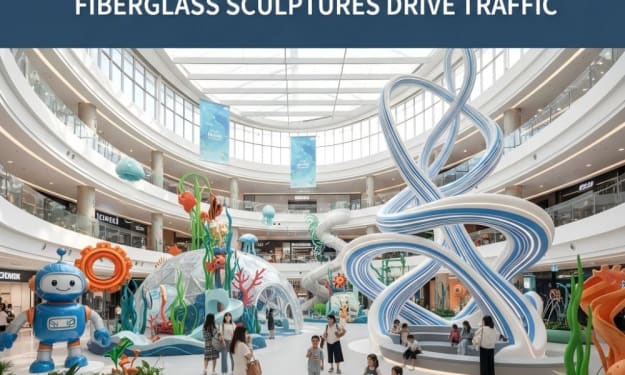
Today, offline commercial spaces are facing continuous pressure. With e-commerce offering convenient and fast services, physical stores must showcase unique features to attract customers. In this context, fiberglass sculptures are no longer merely decorative items; they have become visual focal points in shopping malls, brand stores, pop-up shops, and mixed-use commercial projects, playing a crucial role in increasing foot traffic.
By Shenzhen Ruiheng Crafts4 days ago in Art
Why Strategic Branding Is Essential for Long-Term Business Growth
In today’s fast-paced digital environment, businesses face constant pressure to stand out. Consumers are exposed to endless choices every day, making attention harder to earn and trust harder to keep. While quality products and services are important, they are no longer the only factors that determine success. Strategic branding plays a key role in helping businesses grow steadily and remain relevant over time.
By Ayush Bagwari4 days ago in Art


Comments
There are no comments for this story
Be the first to respond and start the conversation.