
Behind the Edge: Stories of Unique Knives and Their Makers
The Timeless Art of Knife-Making: A Journey Through History

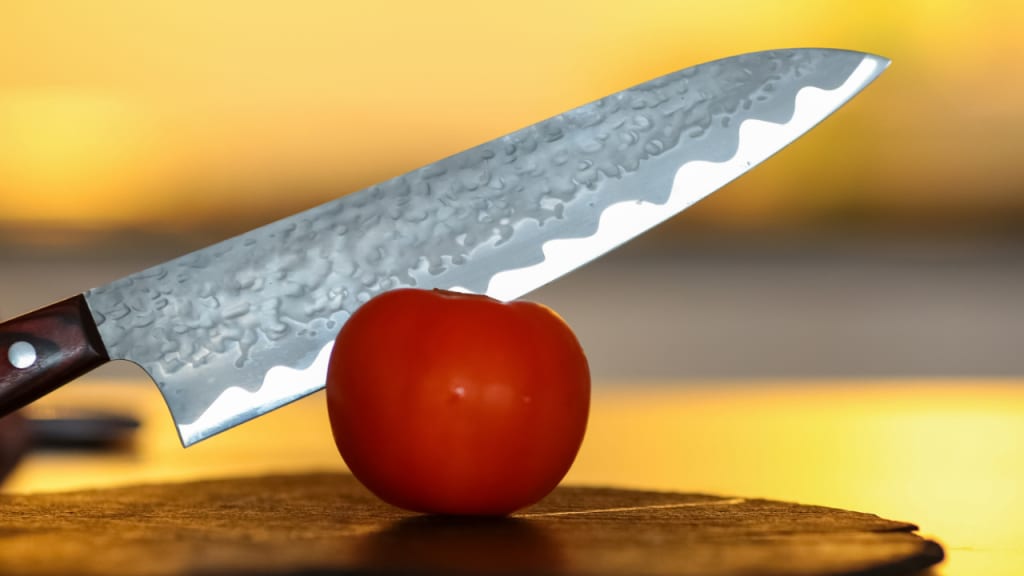
Behind the Edge: Stories of Unique Knives and Their Makers
Hello friends,
Explore the fascinating tales behind some of the most rare knives around the world and the master artisans who craft them. Discover the craftsmanship, ingenuity, and cultural importance behind these extraordinary blades.
Behind the Edge: The Unique Knives and Stories Behind Them
Knives have long been more than just tools; they’re representational of culture, history, and innovation. Whether it is an ancient hand-forged blade or a modern masterpiece, the stories behind unique knives and their creators provide a tantalizing glimpse into craftsmanship and creativity. Join us as we delve into the rich history, artistry, and vision behind exceptional knives and the artisans around the world who create them.
The History of Knife Making
The history of knife-making dates back to prehistoric humans who chipped stone to create sharp blades. For millennia craft developed and metals, from bronze and iron to steel, eventually became commonplace in weaponry. Blending design, materials, and techniques, each era created blades that wore the scars and fingerprints of their respective cultures.
These days knife-making persists as both a practical craft as well as an art. Contemporary knife makers pay homage to classic methods while challenging conventions of form and materials.
Why Each Knife Is a Unique Story
The Damascus Legacy
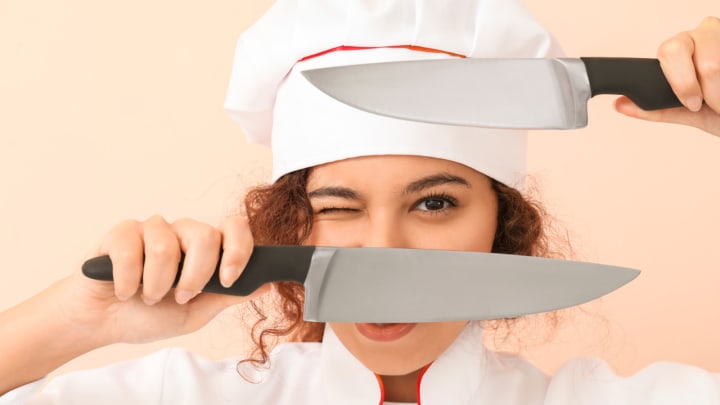
Damascus steel, with its wavy patterns and incredible strength, has captivated collectors and craftsmen for centuries. Originally from the Middle East, Damascus steel knives are the result of centuries of expert forging. Modern artisans such as Bob Kramer have revived this ancient craft, producing kitchen knives that are as beautiful as they are functional.
The Kukri’s Cultural Roots
The Gurkha is an elite group of Nepalese soldiers that have become famous for their bravery, and the Kukri is a curved blade. The distinctive shape and usability make it a timeless classic. Today, Kukris are still made by modern artisans but with a blend of traditional methods and modern designs.
The Buster Warenski Art Knives
One of the most legendary knife makers in history is Buster Warenski. A master of this style was Warenski, best known for his meticulously crafted King Tut Dagger whose pommel was made wholly of gold and took over 10 years to finish, it has become a prime example of the highest caliber of artistic knife-making in our history.
Japanese Honyaki Knives
Japanese knife makers have been respected for their precision and skill for centuries. Made from one piece of steel, honyaki knives are known for their sharpness and strength. Artisans such as Katsushige Anryu spent their lives in the pursuit of crafting these blades, which became a work of art in their own right.
What’s the American Connection for the Bowie Knife?
The Bowie knife is a symbol of American resilience and ingenuity, and it was thoroughly popularized by the frontiersman, Jim Bowie. Contemporary craftspeople honor this classic design, producing knives with utilitarian and delicate craftsmanship.
How to Choose Your First Karambit Knife
This weapon with its curved blade, reminiscent of a tiger’s claw, originates in Southeast Asia called the Karambit. Its ergonomic design and adaptability have led to a range of modern interpretations, often combining traditional aesthetics with tactical features.
Forged Fantasy Knives
Knives used in fantasy — particularly those found in films or video games — are growing in popularity as collector items. Blades like those created by Gil Hibben that stretch and bend the bounds of creativity, melding futuristic styles with functional craftsmanship.
Scandinavian Puukko Knives
A traditional style Finnish blade is the Puuko, so named for its simplicity and utility. Today’s artisans continue the legacy of the Puukko, beating out blades that integrate form with function, yet also remain firm to their roots.
The Modern Tactical Knife Movement
There is more emphasis on utility and durability in modern tactical knives. Brands such as Benchmade and Spyderco partner with well-known makers to manufacture knives for both hot shots and hobbyists.
Master Bladesmiths Custom Knives
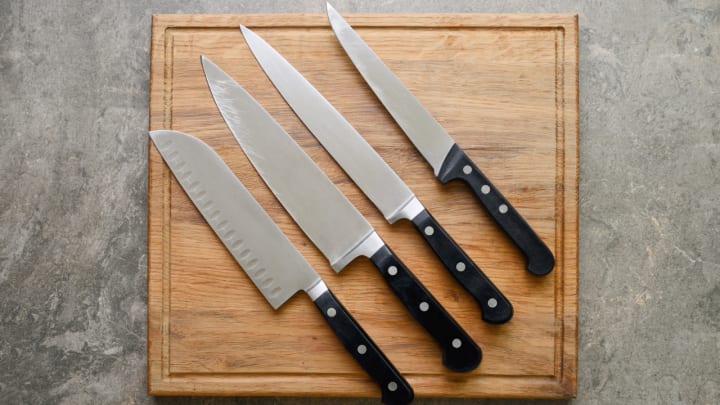
Custom knife making is also an opportunity for artisans to express their individuality. Makers such as Jerry Fisk and Bill Moran create one-off knives that sell for high prices at auction and are coveted by collectors across the globe.
How Knife Making is both an Art and a Craft
Knife-making is as creative as it is technical. The artisans combine rare materials like mammoth tusks, meteorite steel, or exotic woods with their materials to create one-of-a-kind items. Or elaborate designs, hand-engraving, and polished finishes that transcend knives from functional tools to objects of desire.
Why Collect Unique Knives?
Reasons for Cultural Significance: Knives as characters often showcase the history and traditions from which they come.
The high quality: The craftsmanship that goes into each knife makes them handle exquisite treasures.
Investment value: high-quality knives, particularly custom pieces, can increase in value over time.
Functionality: Some of these unique knives are not merely for display, but are designed to be functional.
Popular Knife Makers to Watch
Chris Reeve Knives: Precision-engineered folding knives.
William Henry Studio: Notable for luxury knives with inlaid gemstones.
Hattori Masahiro Japanese: The best quality knife craftsmanship in Japan.
Tony Bose: Master of the traditional pocket knife.
Caring for Unique Knives
In order to keep unique knives beautiful and functional:
Regularly Clean: Wipe off dirt and moisture once done.
Sharpen Properly — be sure to use the right tools to keep an edge.
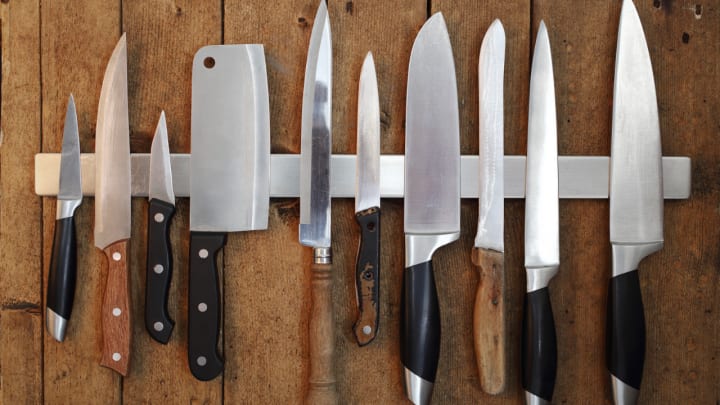
Store Safely: Protect knives in cases or on magnetic strips to avoid damage.
Keep Your Device Out of Harsh Environments: Keep your phone away from extreme temperature or humidity.
The Future of Knife Making
Knife-making is changing as technology evolves. The list includes endless topics like 3D printing and CNC machining for precision like never before, alongside sustainable materials that are gaining popularity. The truth, however, is that hand-forging is still the sacred heart of the craft, the thing that keeps the soul of knife-making alive.
FAQs
What makes a knife "unique"?
A distinctive knife usually includes rare materials, futuristic designs, or an enviable history, making it different from its mass-made counterparts.
There are many famous knife makers but some of the most well-known include:
Popular craftsmen include Bob Kramer, Buster Warenski, and Chris Reeve, each with their own particular style and impact on the art.
How much should I spend on a custom knife?
Yes, there is a lot of custom knife value since the craftsmanship, rarity, and maker are usually at stake.
How do I begin a knife collection?
Start with some research on types of knives, makers, and materials. Start with reputable brands or custom shops.
What is Damascus steel?
Damascus steel is a material similar to steel but known primarily for its characteristic wavy patterns and high durability, which is obtained by folding and forging different layers of steel.
Are knives for function and decor?
Absolutely. A lot of knives are made to be utilitarian but incorporate artistic aspects to make them collectible.
How do I know if a knife is high quality?
Balance in the design, high-quality materials, crisp edges, and clean build quality are things to look out for.
However, what are special knives made up of?
Common materials are carbon steel, damasked steel, titanium, exotic woods, and bone or ivory.
Are handmade knives superior to factory-made ones?
Handmade knives typically have better craftsmanship and uniqueness but factory-made knives provide consistent quality at a lower price.
How do I keep my knife’s value intact?
Exercise common sense cleaning and storing it and don't use knives that are meant to be collectible for things that will damage their value.
Conclusion
The unique knife world is filled with history, artistry, and innovation all wrapped up in one. Each blade weaves the history of the culture it represents, the materials that define it, and the hands that shape it. Knives embody a range of human creativity and ingenuity, from ancient traditions to modernity. Whether you are a steel enthusiast, collector, or artisan, deep diving into the stories behind these blades adds depth to your appreciation for the craftsmanship and dedication that embodies this timeless art form. Knife-making is still evolving and reminds us that beauty and function can live hand in hand, even in the most useful items.
About the Creator
Kalpesh Vasava
"Storyteller | Creative Writer | Passionate Explorer of Ideas"
I’m a dedicated writer with a love for sharing compelling stories and inspiring readers through words. My content explores diverse topics such as...
Ielievenreatingeaningftabl
Keep reading
More stories from Kalpesh Vasava and writers in Art and other communities.
Earth's Hidden Secrets: Unexplained Mysteries of Our Ecosystems
Earth's Hidden Secrets: Unexplained Mysteries of Our Ecosystems Earth, our home, is a fascinating and complex planet teeming with life and mystery. While science has uncovered much about our ecosystems, many secrets remain buried, leaving scientists and researchers astounded. From puzzling natural phenomena to lifeforms thriving in extreme conditions, Earth's ecosystems are a treasure trove of the unexplained. In this article, we delve into some of the most intriguing mysteries of our planet's ecosystems, offering unique insights and information that will leave you in awe.
By Kalpesh Vasavaabout a year ago in Earth
2026 Commercial Space Design:How Fbierglass Sculpture Drives Traffic
Today, offline commercial spaces are facing continuous pressure. With e-commerce offering convenient and fast services, physical stores must showcase unique features to attract customers. In this context, fiberglass sculptures are no longer merely decorative items; they have become visual focal points in shopping malls, brand stores, pop-up shops, and mixed-use commercial projects, playing a crucial role in increasing foot traffic.
By Shenzhen Ruiheng Crafts2 days ago in Art
Why Strategic Branding Is Essential for Long-Term Business Growth
In today’s fast-paced digital environment, businesses face constant pressure to stand out. Consumers are exposed to endless choices every day, making attention harder to earn and trust harder to keep. While quality products and services are important, they are no longer the only factors that determine success. Strategic branding plays a key role in helping businesses grow steadily and remain relevant over time.
By Ayush Bagwari2 days ago in Art
Ludacris and Nelly draw backlash over bookings at MAGA-coded music festival
Ludacris and Nelly headlining a mostly right-wing event is good for them. It’s also great for the genre of hip hop. The two rap veterans have showcased their talents on other stages. Why can’t they perform for mostly MAGA folks and grab that bag?
By Skyler Saunders3 days ago in Beat




Comments
There are no comments for this story
Be the first to respond and start the conversation.