
Bauhaus Font: A Journey Through Geometric Design
Bauhaus Font

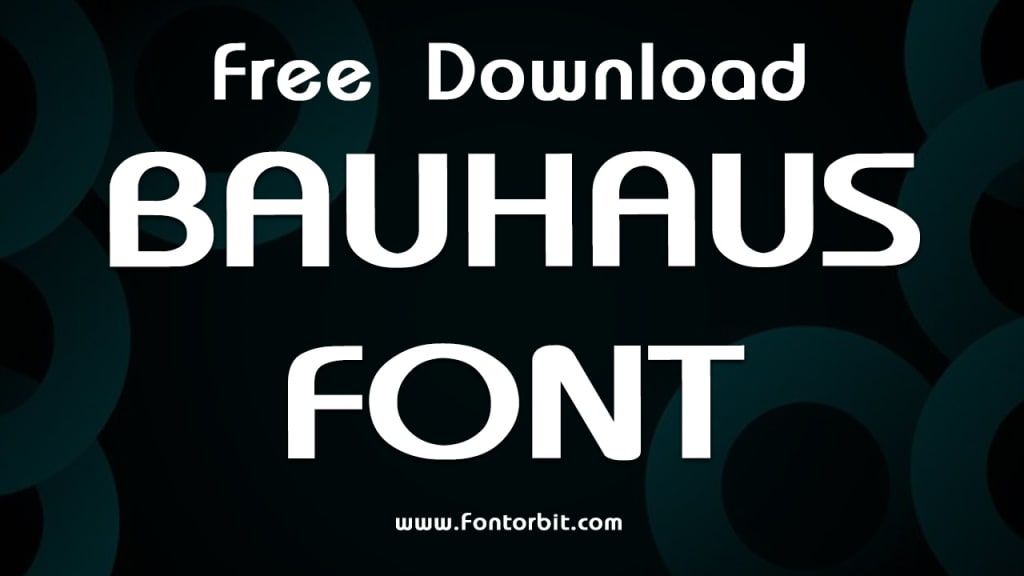
The Bauhaus movement, one of the most influential art and design movements of the 20th century, not only changed the world of architecture and art but also left a lasting mark on typography.
The Bauhaus font, inspired by the movement’s geometric simplicity, remains a favorite for modern design due to its clean lines, minimalism, and versatility. In this article, we will explore the Bauhaus font’s history, characteristics, and its enduring popularity.
History of the Bauhaus Font
The Bauhaus movement began in 1919 in Germany and was founded by Walter Gropius. The aim was to unify art, craft, and technology and produce functional yet aesthetically pleasing designs. Typography was one of the core elements of the Bauhaus approach, where form followed function.
The Bauhaus font itself emerged from the work of several artists and designers associated with the movement. Among them was Herbert Bayer, a prominent typographer who designed the famous Universal Typeface in 1925. This typeface became synonymous with the Bauhaus style, with its clean, simple, and geometric approach. The characters were designed using basic geometric shapes such as circles, squares, and triangles, emphasizing a harmonious balance between form and function.
Characteristics of Bauhaus Font
Geometric Shapes: The Bauhaus font is recognized for its use of simple, geometric shapes. Letters are constructed from straight lines, circles, and curves, avoiding any unnecessary ornamentation or complexity
Sans-Serif: The font is sans-serif, meaning it lacks the small projecting features (serifs) at the end of strokes. This gives the typeface a modern, streamlined look that aligns with the movement's ideals of simplicity and functionality.
Uniformity: Bauhaus fonts tend to have uniform thickness in their strokes, contributing to a sense of balance and harmony. This consistent design approach reinforces the movement’s vision of a cohesive aesthetic.
Minimalism: The overall design philosophy of the Bauhaus font is one of minimalism, emphasizing clarity, readability, and efficiency. This simplicity makes it a perfect choice for modern and contemporary design projects.
The Influence of Bauhaus Font in Modern Design
The Bauhaus font’s minimalist design continues to influence typography in the digital age. Its geometric, clean, and functional aesthetics are ideal for modern branding, advertising, and digital media. Companies seeking to convey a message of innovation, simplicity, and forward-thinking often use Bauhaus-inspired typefaces.
The font's impact extends beyond its historical roots. Many contemporary typefaces draw inspiration from the Bauhaus style, adapting its principles to fit the evolving needs of design. Whether used in corporate logos, headlines, or web design, the Bauhaus font is synonymous with modernity and sophistication.
Conclusion
The Bauhaus font is more than just a typeface; it is a testament to a design philosophy that values simplicity, functionality, and harmony. Born out of one of the most influential art movements in history, this geometric font continues to be a symbol of modern design. Its clean lines and minimalist approach make it an enduring choice for contemporary designers who seek to convey clarity and innovation.
FAQs
1. What is the Bauhaus font?
The Bauhaus font is a geometric sans-serif typeface that originated from the Bauhaus movement. It was designed to embody the principles of simplicity, functionality, and modernism.
2. Who designed the Bauhaus font?
The most famous version of the Bauhaus font was designed by Herbert Bayer, a key figure in the Bauhaus movement, in 1925. His Universal Typeface became iconic in its geometric, minimalist style.
3. How is the Bauhaus font used today?
Today, the Bauhaus font is used in modern design projects, including branding, web design, posters, and advertisements. Its clean and simple design makes it ideal for conveying clarity and innovation.
4. Why is the Bauhaus font popular?
The Bauhaus font is popular because of its geometric simplicity, readability, and timeless modern appeal. It embodies the Bauhaus movement's design philosophy and remains relevant in contemporary design.
5. Can I use the Bauhaus font for commercial purposes?
Yes, there are versions of the Bauhaus font available for commercial use, but it's essential to check licensing agreements to ensure that it can be legally used in your specific project. Some versions of the font may require a license.
About the Creator
Jillur Rahaman
Jillur Rahman is the creative mind behind FontOrbit. This website is a vibrant hub for typography enthusiasts. With a CSE degree and over a decade of experience in web design & development, Jillur got passion for sharing knowledge.
Keep reading
More stories from Jillur Rahaman and writers in Art and other communities.
The Toyota Font: A Deep Dive into the Iconic Typeface
The Toyota brand is one of the most recognizable names in the automotive industry, known for its innovation, reliability, and global appeal. One key element that has contributed to Toyota’s visual identity is its distinct font.
By Jillur Rahamanabout a year ago in Art
A Love I Swore By Alaa Muhammad
I swore by the love that lives within my chest To love no one but you, no matter the cost. You asked—is this truth or passing speech? I said: It is certainty, unbent, untouched. I loved in you the peace I never knew, And silence, when all words collapse in noise. When my heart grew tight, you were my widest home, And when dreams trembled, you never spilled away. I searched for meaning in no other hearts, Until I found you—and the search was done. So let the eyes debate a heart that chose, A love I swore by… and in your love, I stand.
By A'laa Muhammada day ago in Art
Valentino Garavani
In the golden age of couture, when fashion was less about speed and more about soul, one name quietly rose to become synonymous with timeless elegance: Valentino Garavani. To speak of Valentino is to speak of romance, discipline, beauty, and a lifelong devotion to the art of dressing the world’s most admired women.
By S.A Charles7 days ago in Art



Comments
There are no comments for this story
Be the first to respond and start the conversation.