
Art History and Poetry: How They Shape Mental Health
Words & Creativity can cure the soul

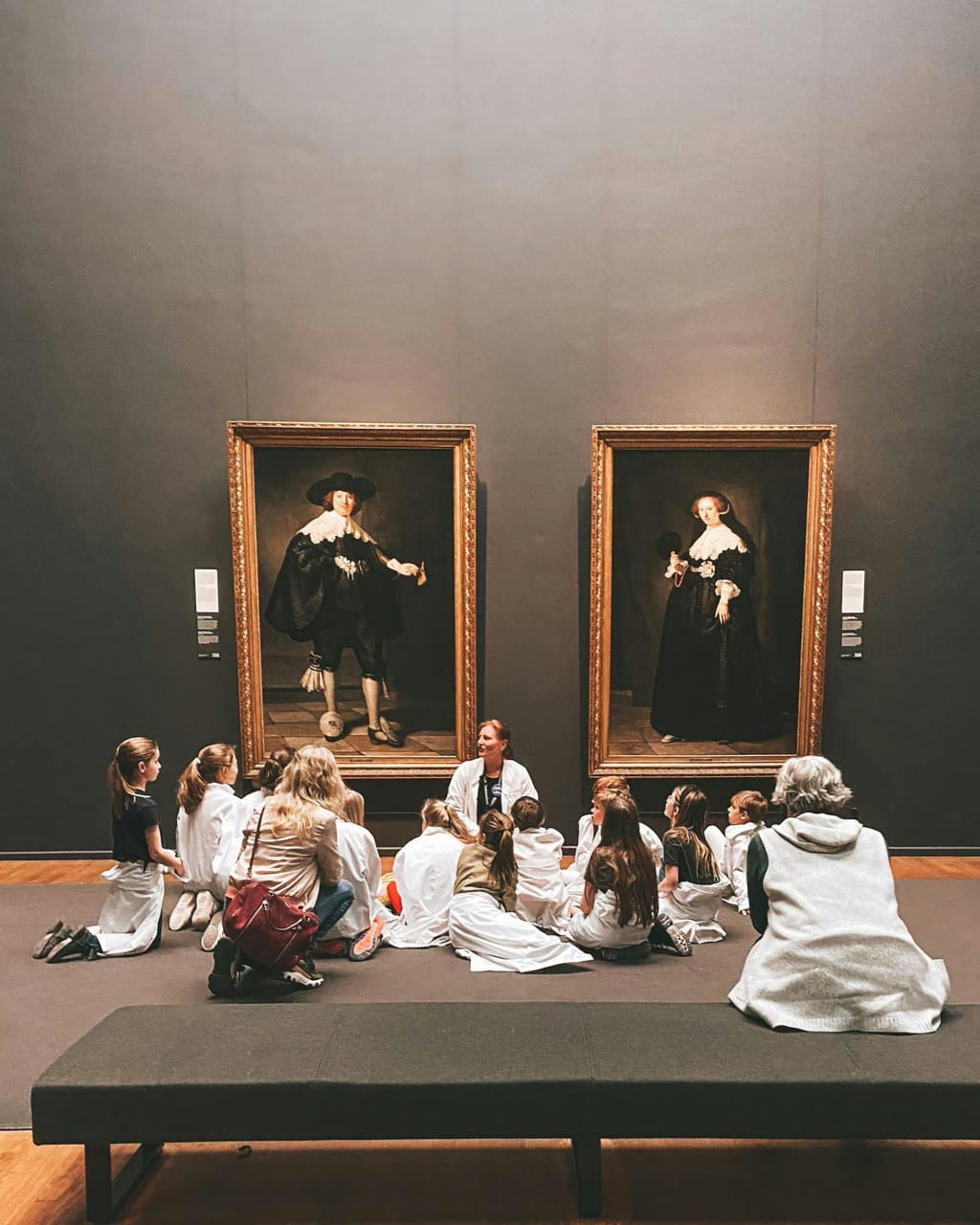
Art and poetry have always been powerful tools for expressing emotions, ideas, and human experiences. Over the centuries, they have not only shaped cultures but have also played a significant role in mental well-being.
From Van Gogh’s expressive brushstrokes to Sylvia Plath’s raw, emotional poetry, both art and literature have provided an outlet for individuals to explore, understand, and heal their mental health.
In this article, we’ll explore how art history and poetry intersect with mental health and how they can be used as therapeutic tools to promote emotional wellness.
The Healing Power of Art Throughout History
Art has always been more than mere decoration. From prehistoric cave paintings to the masterpieces of the Renaissance, art has helped humans make sense of the world. Historically, art has reflected the emotional, social, and psychological state of the human mind. For instance, the tortured brilliance of Vincent van Gogh’s works showcases how his struggle with mental illness was translated into his art. His vivid use of color and swirling lines convey deep emotions, inviting viewers into his inner world.
Artists like Frida Kahlo, who experienced immense physical and emotional pain, used art as an outlet for their trauma. Her iconic self-portraits reveal her personal suffering and the deep psychological wounds she endured, proving how art can be a therapeutic release.
Poetry: A Mirror to the Soul
Poetry, like art, has been a form of emotional release for centuries. From the haunting verses of Edgar Allan Poe to the cathartic poetry of Sylvia Plath, literature has offered a medium for people to process grief, depression, anxiety, and other mental health challenges.
The rhythm, metaphor, and language of poetry provide a way to express complex feelings that may be difficult to articulate in everyday conversation. Studies have shown that writing and reading poetry can help individuals process trauma, improve emotional clarity, and reduce symptoms of anxiety and depression.
The Intersection of Art and Poetry in Mental Health Therapy
Both art and poetry therapy are recognized tools in the mental health field. Art therapy allows individuals to create without fear of judgment, offering a non-verbal outlet for emotions. Through painting, drawing, or sculpture, individuals can process difficult feelings in a tangible way. It can help reduce stress, improve self-esteem, and offer clarity to those suffering from mental illness.
Similarly, poetry therapy uses the written word as a form of healing. Patients can write their own poetry or read the works of others, which often allows them to feel less alone in their struggles. The act of writing or reciting poetry can create a safe space for people to reflect on their emotions, helping them achieve emotional resilience and understanding.
How Engaging with Art and Poetry Can Boost Mental Health
There’s a growing body of research that shows the positive effects of engaging with art and poetry on mental health. For individuals who don’t consider themselves artists or poets, simply viewing and reading these forms of expression can offer relief. Observing a beautiful painting or reading an evocative poem can trigger emotional responses that help people connect with their feelings.
Art museums, galleries, and even online platforms offer access to works that can inspire emotional exploration. The use of poetry in group or individual therapy sessions can also create a shared sense of humanity, as participants relate to the universal themes of love, loss, and resilience found in poems.
Conclusion: Art and Poetry as Tools for Emotional Wellness
Art history and poetry not only enrich our cultural landscape but also offer valuable tools for maintaining mental health. Both forms of expression allow for a deeper understanding of one’s inner world and provide an avenue for emotional release. Whether creating or observing, engaging with art and poetry can significantly boost mental well-being, helping individuals cope with stress, anxiety, and depression.
Incorporating art and poetry into daily life, whether through personal creative projects or by attending museums and reading poetry collections, can serve as a form of self-care. By acknowledging the impact these creative mediums have on mental health, we can continue to explore and utilize them for healing.
About the Creator
In Conspiracy We Trust
Examining and exploring conspiracy theories and facts.Let's talk about it. All articles are thoughts, speculative and alleged.
Keep reading
More stories from In Conspiracy We Trust and writers in Art and other communities.
The World Through Art
Art has always been a powerful medium for expressing the complexities of the human experience. From prehistoric cave paintings to modern digital creations, art shapes the world by influencing culture, politics, and the human psyche. Understanding art history provides a lens through which we can examine how art has been a driving force for social change, identity formation, and the evolution of creative thought.
By In Conspiracy We Trustabout a year ago in Art
MUSIC
Why Music Is Way More Important Than Most People Think Honestly, music is one of those things we all use every single day, but we don’t really stop to think about how deep it actually goes. Like yeah, we play songs in the car, in the shower, while studying, or just when we’re bored. But music is doing way more than just filling up silence. It’s shaping how we feel, how we remember things, and even how we see the world, which is kinda crazy when you think about it.
By Beshoy Zayer4 days ago in Art
A Matter of Coincidence
Tuesday, 3 September 2024 Ayesha Fareed Ahmed, Mirpur Khas Sheeda was a simple and innocent man. One day, he was going to his wife’s village to bring her back. On the way, he saw some donkeys grazing on grass at a certain place. Eventually, he reached his in-laws’ house. His wife’s brother asked him to sit in the guest room.
By Sudais Zakwan19 minutes ago in Art


Comments
There are no comments for this story
Be the first to respond and start the conversation.