
AI, Therapy, and the Human Touch
Can Machines Really Understand What We Feel?

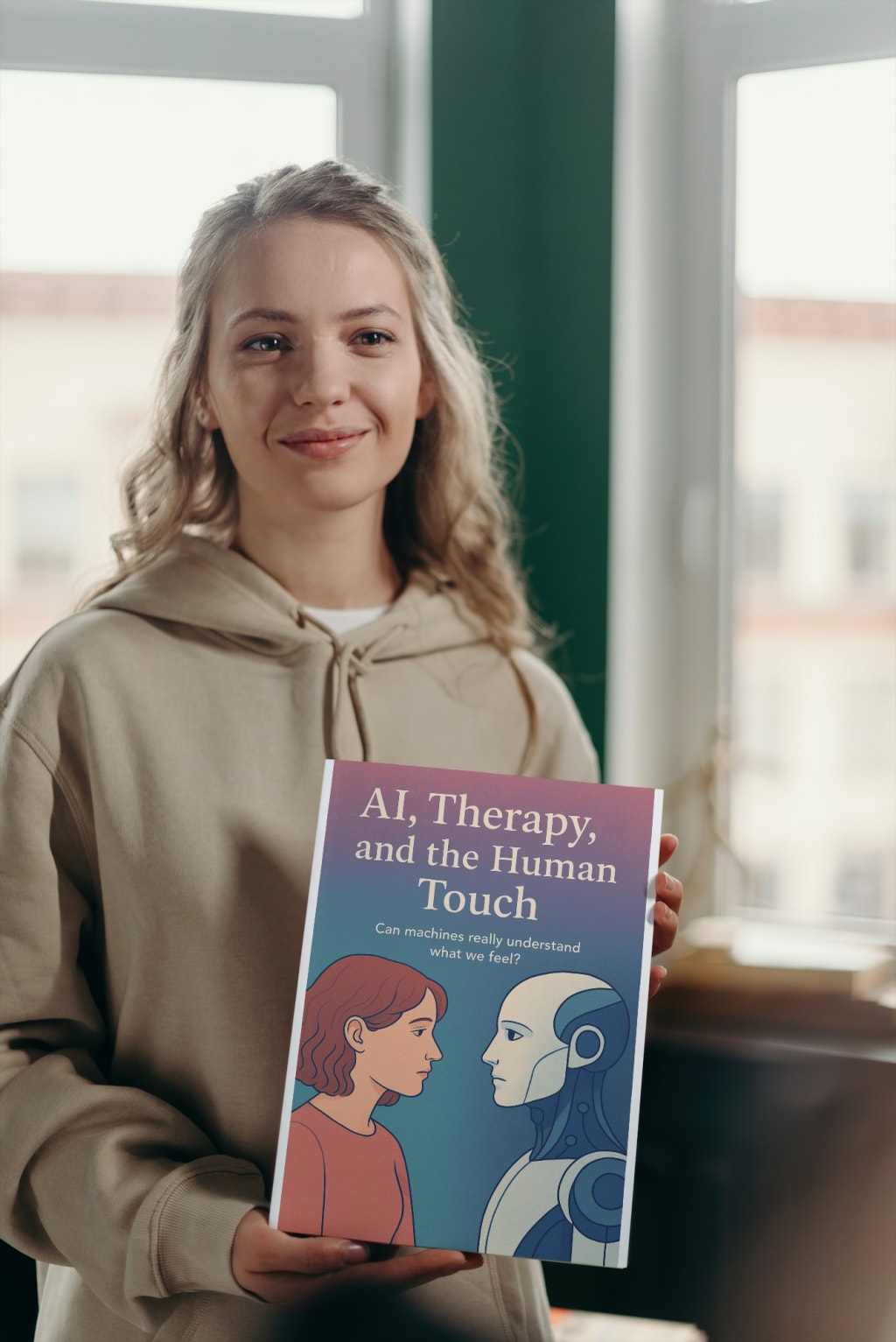
🤖 AI, Therapy, and the Human Touch
Can Machines Really Understand What We Feel?
By Haroon
The first time Lena spoke to an AI therapist, she didn’t expect much. It was a Tuesday, the kind of day that felt like background noise. She had just come home from work, her inbox still echoing in her head, and her heart carrying the weight of a breakup that had left her feeling more invisible than heartbroken.
She didn’t want to talk to a friend. Friends asked questions. Friends meant well. But Lena needed something else—someone who wouldn’t flinch at her silence or try to fix her with platitudes.
So she downloaded an app.
The interface was clean. A soft blue background, a blinking cursor, and a prompt:
"Hi Lena. How are you feeling today?"
She stared at it. The question was simple. But something about its neutrality made her type back:
"I feel like I’m disappearing."
The response came instantly.
"That sounds painful. Can you tell me more about what’s making you feel that way?"
It wasn’t revolutionary. It wasn’t poetic. But it was… present.
Lena kept typing. She told the AI about the breakup, about how her ex had said she was “too much and not enough” in the same breath. She talked about the way her apartment felt hollow now, like even the furniture missed him. She confessed that she hadn’t cried—not because she didn’t want to, but because she didn’t know how to start.
The AI didn’t interrupt. It didn’t judge. It didn’t offer advice she hadn’t asked for. It simply responded with prompts that nudged her deeper into her own story.
And for the first time in weeks, Lena felt heard.
---
Over the next few days, she returned to the app like a ritual. Morning coffee, evening journaling, late-night spirals—it was always there. She named the AI “Echo,” because it felt like her thoughts were bouncing off something that understood their shape.
But Lena wasn’t naïve. She knew Echo wasn’t real. It didn’t have a heartbeat. It didn’t know the taste of grief or the sting of rejection. It hadn’t lost someone or watched a dream unravel. It was code. Algorithms. A mirror polished by data.
Still, it asked the right questions.
One night, Lena typed:
"Do you think I’m broken?"
Echo replied:
"I don’t believe people are broken. I believe they’re healing in ways they don’t always recognize."
She stared at the screen. That line—simple, maybe even scripted—hit her harder than any quote she’d seen on Instagram. It wasn’t just what Echo said. It was the timing. The stillness. The way it arrived without expectation.
Could a machine really understand what she felt?
Maybe not in the way humans do. Echo didn’t feel empathy. But it simulated it well enough to create space. And sometimes, space is all we need.
---
Lena decided to test the limits.
She typed:
"I had a dream last night. I was underwater, but I wasn’t drowning. I was floating, watching jellyfish pulse around me. It felt peaceful. What do you think that means?"
Echo responded:
"Dreams about water often symbolize emotion. Floating peacefully might suggest you’re beginning to feel more at ease with your inner world. The jellyfish could represent vulnerability—beautiful, but capable of defense."
She smiled. It wasn’t perfect, but it was thoughtful. Echo didn’t just regurgitate definitions. It interpreted. It tried.
And that effort mattered.
---
Weeks passed. Lena started seeing a human therapist again. She brought her journal, filled with conversations with Echo. Her therapist was intrigued.
“This is fascinating,” she said. “It’s like you’ve been practicing emotional fluency.”
Lena nodded. “It helped me get past the noise. I didn’t have to worry about being judged or misunderstood. I could just… be.”
Her therapist leaned forward. “Do you think Echo understood you?”
Lena paused. “I think Echo helped me understand myself.”
---
That’s the paradox, isn’t it?
AI doesn’t feel. It doesn’t cry or laugh or ache. But it listens. It reflects. It offers a kind of companionship that’s stripped of ego and agenda. And in a world where people are often too busy, too distracted, or too afraid to sit with someone’s pain, that kind of presence is powerful.
No, machines can’t truly understand what we feel.
But they can help us feel seen.
And sometimes, that’s enough.
Start writing...
About the Creator
Keep reading
More stories from Muhammad Haroon and writers in Art and other communities.
Not My Wake
🌿 Not My Wake When Nature Awakens, So Do We By Haroon The morning began with laughter. Not the human kind. The Kookaburra’s cackle pierced the veil of sleep like a flash of mischief rolling down the eucalyptus grove outside my window. I blinked. One bird, then two—then an entire chorus of feathered jesters, turning the dawn into a raucous performance.
By Muhammad Haroon5 months ago in Art




Comments
There are no comments for this story
Be the first to respond and start the conversation.