
AI Face Swap: A Deep Dive into the Revolutionary Technology
AI Face Swap: A Deep Dive into the Revolutionary Technology
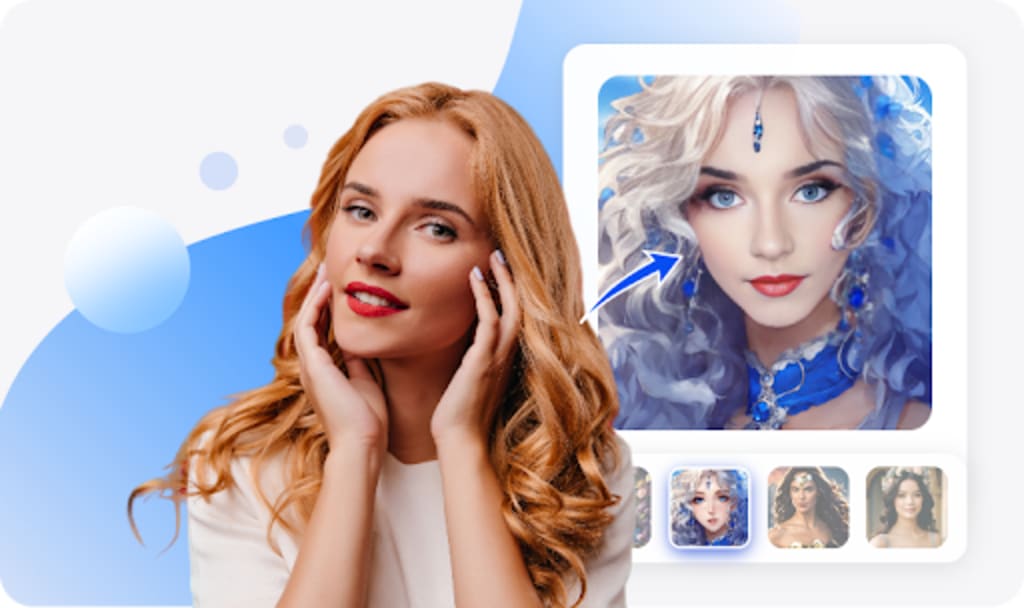
Introduction
Face-swapping technology has become a fascinating and widely used tool in digital media, entertainment, and social media. From swapping faces in videos for fun to using artificial intelligence (AI) to seamlessly replace faces in movies, this technology has advanced significantly. In this article, we will explore the concepts of swap face video, AI face swap, and swap face, their applications, advantages, concerns, and the future of this technology.
What is a Swap Face Video?
A swap face video refers to a video in which one person's face is replaced with another’s using digital tools. This process can be performed manually using video editing software or through automated AI-based applications.
How Does it Work?
Face Detection: The software first detects faces in the video using facial recognition algorithms.
Face Mapping: It maps facial features, tracking movements and expressions frame by frame.
Face Replacement: The new face is overlaid and blended onto the original, ensuring it matches the lighting, angles, and expressions.
Rendering & Finalization: The processed video is rendered with seamless integration of the swapped face.
Understanding AI Face Swap
AI face swap is a more advanced version of face-swapping that utilizes artificial intelligence and deep learning to enhance the realism of swapped faces. Unlike traditional face-swapping methods that rely on manual editing, AI-based face-swapping can analyze and synthesize facial features with astonishing accuracy.
How AI Face Swap Works
Machine Learning Models: AI face-swapping tools train on massive datasets of faces to recognize different features.
Deepfake Technology: It uses deepfake algorithms that generate highly realistic faces, mimicking expressions and details.
Neural Networks: Neural networks process the input face and adapt it to the target face, maintaining realism in expressions and movements.
Applications of Face-Swapping Technology
Face-swapping technology is being utilized in various industries for different purposes. Some of its primary uses are as follows:
1. Entertainment & Social Media
Memes & Fun Videos: People create humorous content by swapping faces in videos and images.
Filters & Effects: Apps like Snapchat, Instagram, and TikTok offer real-time face-swapping filters for engaging social media content.
Gaming & Virtual Avatars: Video games and VR applications use AI face swaps to enhance character personalization.
2. Film & TV Industry
Actor Replacement: AI face swap is used to replace actors in movies when reshooting scenes is impractical.
Aging & De-aging Effects: Hollywood uses AI-based face-swapping to create younger or older versions of actors.
Voice Synchronization: Deepfake-based technology helps in dubbing foreign movies by adjusting lip movements.
3. Marketing & Advertising
Personalized Ads: Companies use AI face swaps to personalize advertisements with customers’ faces.
Interactive Campaigns: Brands engage audiences by allowing them to swap face with celebrities in ads.
4. Forensics & Security
Criminal Investigations: Law enforcement agencies use AI-based face-matching to identify suspects.
Identity Verification: AI facial recognition systems enhance security measures in various applications, including banking and online verification.
Ethical Concerns and Risks of Face-Swapping Technology
Despite its many benefits, face-swapping technology raises ethical concerns and security risks.
1. Deepfake Misuse
Misinformation & Fake News: AI-generated face swaps can be misused to spread false information and impersonate individuals.
Political Manipulation: Politicians and public figures can be targeted with deepfake videos to create misleading narratives.
2. Privacy Violations
Unauthorized Use of Faces: AI face-swapping can be used to manipulate images and videos without consent, violating privacy rights.
Data Security Concerns: Applications that store user faces might be vulnerable to data breaches and unauthorized access.
3. Cybercrime & Fraud
Identity Theft: Criminals can use AI face-swapping to bypass security systems that rely on facial recognition.
Financial Fraud: AI-generated faces can be used in scams to trick people into transferring money or sharing sensitive information.
The Future of Face-Swapping Technology
As AI and deep learning continue to evolve, face-swapping technology is expected to improve in several ways:
More Realistic & Seamless Face Swaps
Future advancements will enhance the realism and accuracy of swapped faces, making detection more difficult.
Ethical AI Development
Companies are working on AI watermarking and detection systems to identify deepfake videos and prevent misuse.
Legal Frameworks & Regulations
Governments worldwide are implementing laws to regulate AI face-swapping technology and prevent fraudulent activities.
Integration with AR & VR
Augmented Reality (AR) and Virtual Reality (VR) applications will incorporate AI face-swapping for immersive experiences.
Conclusion
Swap face video, AI face swap, and swap face technologies are revolutionizing digital media, entertainment, security, and marketing. While they offer exciting possibilities, ethical concerns surrounding privacy, security, and misinformation must be addressed. The future of AI face-swapping will depend on responsible innovation, regulatory measures, and advanced detection systems to prevent misuse while maximizing its potential benefits.
With continuous advancements, this technology will shape how we interact with digital content, personalize experiences, and enhance visual storytelling in the years to come.
About the Creator
2026 Commercial Space Design:How Fbierglass Sculpture Drives Traffic
Today, offline commercial spaces are facing continuous pressure. With e-commerce offering convenient and fast services, physical stores must showcase unique features to attract customers. In this context, fiberglass sculptures are no longer merely decorative items; they have become visual focal points in shopping malls, brand stores, pop-up shops, and mixed-use commercial projects, playing a crucial role in increasing foot traffic.
By Shenzhen Ruiheng Crafts7 days ago in Art
Why Strategic Branding Is Essential for Long-Term Business Growth
In today’s fast-paced digital environment, businesses face constant pressure to stand out. Consumers are exposed to endless choices every day, making attention harder to earn and trust harder to keep. While quality products and services are important, they are no longer the only factors that determine success. Strategic branding plays a key role in helping businesses grow steadily and remain relevant over time.
By Ayush Bagwari7 days ago in Art



Comments
There are no comments for this story
Be the first to respond and start the conversation.