

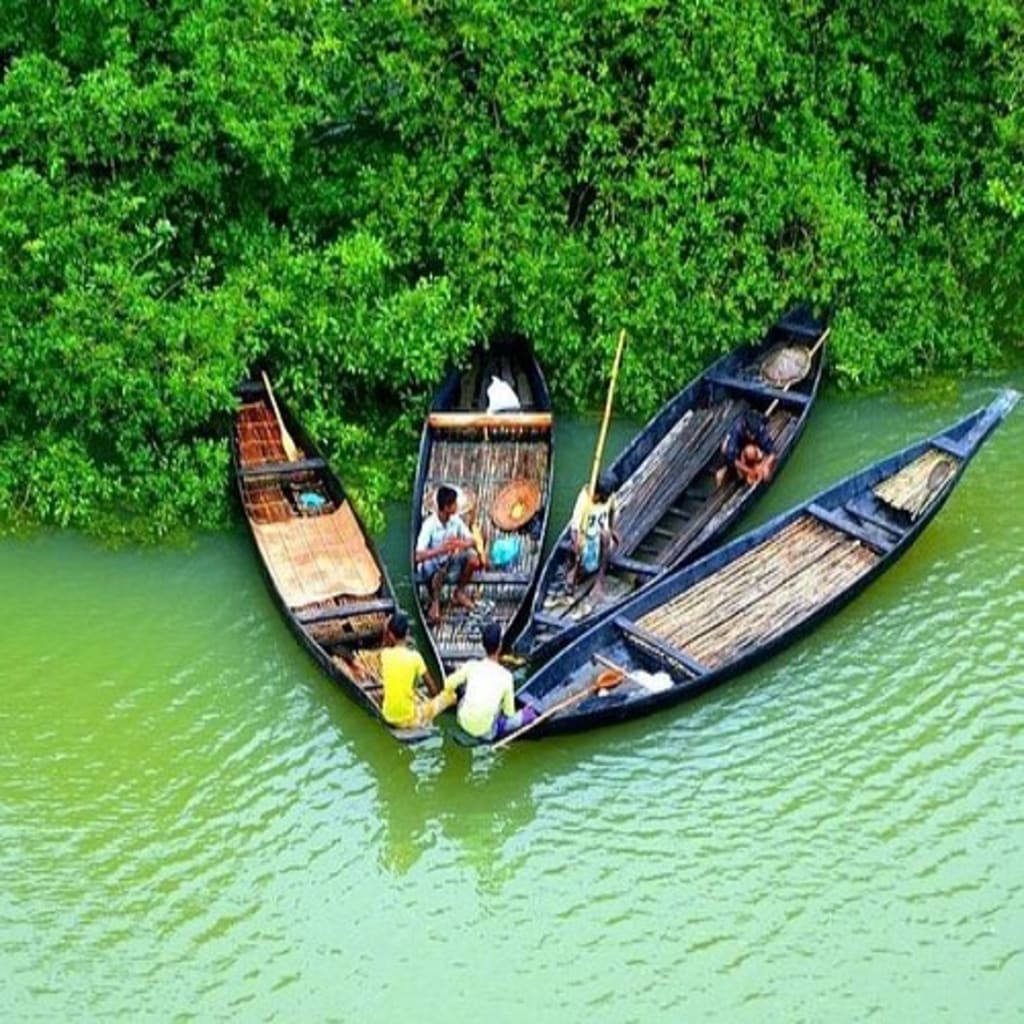
Bangladesh: A Nation of Natural Splendor and Cultural Legacy
Bangladesh is a sovereign nation located in South Asia, sharing borders with Myanmar to the southeast, India to the west, north, and east, and the Bay of Bengal to the south. The country emerged as an independent state on December 16, 1971, following a brutal nine-month liberation war against Pakistan. Prior to its independence, it was referred to as East Pakistan under Pakistani administration, and before that, it was under British colonial rule.
Dhaka serves as the capital of Bangladesh, which functions under a parliamentary democracy. The President is the ceremonial figurehead, while the Prime Minister wields executive authority. Bangladesh is segmented into eight administrative divisions: Dhaka, Chattogram, Rajshahi, Khulna, Barishal, Sylhet, Rangpur, and Mymensingh.
Population and Language
With a population of roughly 170 million, Bangladesh ranks among the most densely populated nations globally. Bengali (Bangla) is the official and predominant language, spoken by around 98% of the population. English is also commonly used in commerce, education, and legal matters.
Economy
Although classified as a developing country, Bangladesh has demonstrated remarkable economic growth in recent years. Its economy largely relies on the ready-made garments sector, agriculture, overseas remittances, and the information technology industry. Currently, Bangladesh stands as the second-largest exporter of ready-made garments worldwide. Key agricultural products encompass rice, jute, wheat, potatoes, fish, and various vegetables.
Education and Health
Bangladesh has steadily advanced in the education sector. Numerous primary and secondary schools, colleges, and universities have been established through a blend of public and private efforts. Prominent higher education institutions include the University of Dhaka, University of Rajshahi, University of Chittagong, and Jahangirnagar University.
The healthcare sector has also seen significant progress, marked by increased life expectancy, lower child mortality rates, and effective immunization initiatives.
Geographical Diversity and Climate
As a nation crisscrossed by waterways, Bangladesh boasts over 700 rivers, including the Ganges (Padma), Jamuna, and Meghna, which are essential for agriculture and transportation. In the southern part of the country lies an extensive coastline and the largest mangrove forest in the world—the Sundarbans—home to the endangered Royal Bengal Tiger.
The nation experiences a tropical monsoon climate, defined by three primary seasons: summer, monsoon, and winter. Flooding frequently occurs during the monsoon season, but Bangladesh is increasingly making efforts to adapt to climate change.
Culture and Heritage
With a rich cultural heritage extending back thousands of years, Bangladesh embraces diverse artistic expressions. Traditional folk music, including Pala Gaan, Bhatiali, and Marfati songs, is integral to the lives of its citizens. Culturally significant events like Bengali New Year (Pohela Boishakh), International Mother Language Day (February 21), and Independence Day are widely celebrate
Notable Places
Bangladesh is home to numerous tourist destinations. Highlights include Cox’s Bazar (the longest natural sea beach in the world), Saint Martin’s Island, the Sundarbans, the picturesque Nilgiri and Nilachal in Bandarban, the ancient site of Mahasthangarh, the Paharpur Buddhist Monastery, and the historic city of Sonargaon.
Conclusion
Bangladesh is a country brimming with promise and energy. Despite facing various obstacles, it continues to advance along the path of development. Its breathtaking landscapes, cultural depth, and industrious population are its greatest assets.
About the Creator
A Matter of Coincidence
Tuesday, 3 September 2024 Ayesha Fareed Ahmed, Mirpur Khas Sheeda was a simple and innocent man. One day, he was going to his wife’s village to bring her back. On the way, he saw some donkeys grazing on grass at a certain place. Eventually, he reached his in-laws’ house. His wife’s brother asked him to sit in the guest room.
By Sudais Zakwan2 days ago in Art
How to Succeed at the Benson Directory®
Congratulations and welcome to the Benson Directory® employee #22391! As our newest call handler, you will have the privilege of speaking with dozens of unique and interesting people on a daily basis as well as the opportunity to earn bonuses for high performance. Contained within this handbook you will find a set of ease to follow instructions designed to help you settle in to your new role and begin paving the way to success.
By S. A. Crawford3 days ago in Fiction



Comments
There are no comments for this story
Be the first to respond and start the conversation.