
6 Tips & Tricks to Save Money When Designing and Building Your Own Home
How to build your dream home without breaking the bank
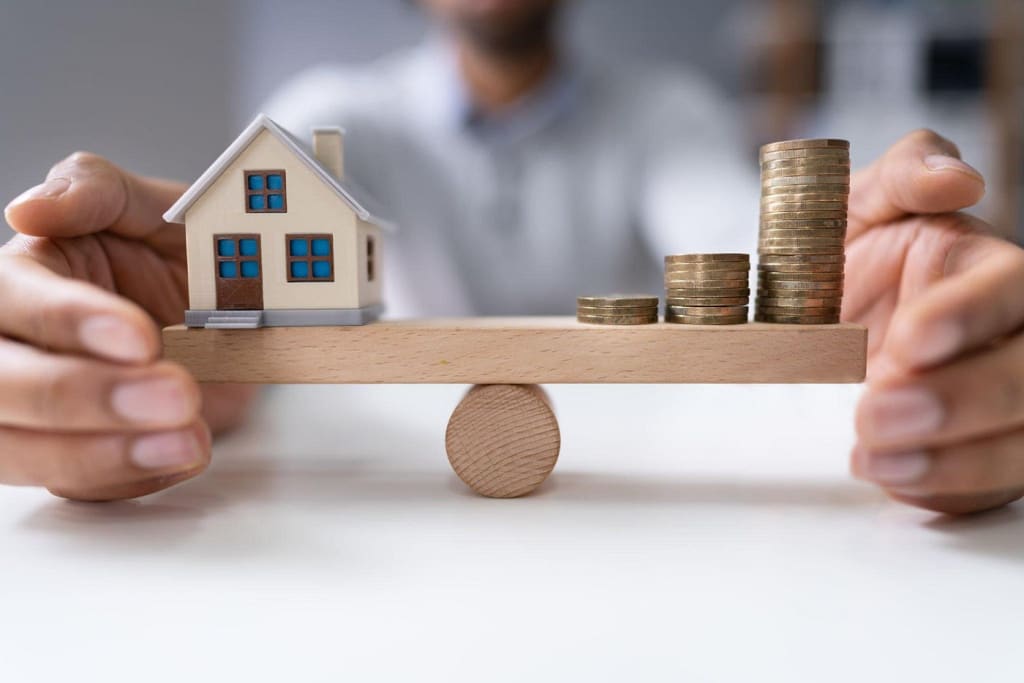
Designing and building your own home is an exciting and fulfilling endeavor, but it can also be a costly one. However, with careful planning and smart decisions, you can create your dream home without breaking the bank. Here are six tips and tricks to help you save money during the home-building process.
1. Plan Thoroughly and Budget Wisely
The foundation of a cost-effective home-building project is thorough planning and a well-thought-out budget. Before you even start designing, take the time to outline your needs and wants. Prioritize the features that are most important to you and be prepared to make compromises on less critical aspects. This will help you stay focused and avoid costly changes down the line.
Creating a detailed budget is crucial. Include all potential expenses, from land acquisition and permits to materials and labor. It’s wise to add a contingency fund of around 10-15% of the total budget to cover unexpected costs. Regularly review and update your budget to ensure you stay on track throughout the project.
2. Choose the Right Location
Selecting the right location for your new home can significantly impact your budget. While prime locations may be attractive, they often come with higher land costs and property taxes. Consider looking for land in up-and-coming areas or less developed regions. These locations can offer more affordable prices while still providing access to essential amenities and services.
Additionally, be mindful of the land’s topography and soil condition. Building on a steep slope or poor soil can lead to increased construction costs due to the need for extensive grading or specialized foundations. Conduct a thorough site assessment to ensure you choose a plot that won’t require excessive modifications.
3. Simplify Your Design
Simplicity in design can lead to substantial savings. Elaborate architectural details, complex rooflines, and irregular shapes can increase both material and labor costs. Opt for a straightforward and functional design that maximizes space efficiency. Open floor plans and rectangular or square footprints are often more cost-effective to build.
Consider using standard-sized materials and components. Custom sizes and shapes can lead to higher costs and longer lead times. By sticking to common dimensions, you can take advantage of bulk pricing and reduce waste.
4. Source Materials Wisely
The cost of building materials can vary widely, so it pays to shop around and source materials wisely. Look for sales, discounts, and clearance items from suppliers. Buying in bulk can also lead to significant savings, especially for materials like lumber, insulation, and roofing.
Consider using recycled or reclaimed materials. Not only are these often cheaper, but they also add a unique character to your home. Salvaged wood, vintage fixtures, and repurposed bricks can be both environmentally friendly and budget-friendly.
Don’t overlook local suppliers and manufacturers. They may offer competitive prices and lower shipping costs compared to national retailers. Additionally, building with locally sourced materials can reduce transportation costs and support the local economy.
5. Do It Yourself (DIY) Where Possible
Labor costs can make up a substantial portion of your construction budget. Taking on some of the work yourself can lead to significant savings. While it’s essential to leave complex tasks like electrical work and plumbing to professionals, there are many aspects of the project that can be tackled by enthusiastic and capable homeowners.
Painting, landscaping, installing flooring, and even basic carpentry are tasks that many people can learn to do with a bit of research and practice. There are countless online tutorials and resources available to guide you through various DIY projects. Just be sure to realistically assess your skills and only take on tasks that you feel confident you can complete to a high standard.
6. Hire the Right Professionals
While DIY can save money, there are certain aspects of home building that require professional expertise. Hiring the right professionals can prevent costly mistakes and ensure that your home is built to code and is structurally sound. This can save you money in the long run by avoiding potential repairs or modifications.
When hiring contractors, architects, and other professionals, do your due diligence. Obtain multiple quotes, check references, and look for professionals with a proven track record of quality work delivered on time and within budget. Clear communication and a detailed contract are essential to ensure that everyone is on the same page and that expectations are met.
Consider working with a design-build firm. These firms handle both the design and construction aspects of the project, which can lead to better coordination and potentially lower costs. Design-build firms often have established relationships with suppliers and subcontractors, which can result in discounts and streamlined processes.
Bonus Tip: Consider Energy Efficiency
Investing in energy-efficient features during the construction phase can lead to long-term savings on utility bills. While some energy-efficient upgrades may have higher upfront costs, they can pay for themselves over time through reduced energy consumption.
Consider incorporating features such as high-quality insulation, energy-efficient windows, and solar panels. These can help lower heating and cooling costs and increase the overall value of your home. Additionally, many energy-efficient upgrades may qualify for tax credits or rebates, further offsetting their initial cost.
Conclusion
Building your own home is a rewarding journey, but it doesn’t have to be prohibitively expensive. By planning thoroughly, choosing the right location, simplifying your design, sourcing materials wisely, doing some of the work yourself, and hiring the right professionals, you can significantly reduce costs without compromising on quality. Additionally, considering energy-efficient features can provide long-term savings and make your home more sustainable.
About the Creator
Keep reading
More stories from Josephat Lincoln and writers in Art and other communities.
Top 10 Facts and Misconceptions About Digital PR
Digital Public Relations (PR) is an evolving field, blending traditional PR principles with the dynamics of the digital world. As the lines between PR, marketing, and social media blur, it becomes crucial to distinguish facts from misconceptions. Here are the top ten surprising facts and common misconceptions about digital PR that will shed new light on this multifaceted discipline.
By Josephat Lincoln2 years ago in Lifehack
2026 Commercial Space Design:How Fbierglass Sculpture Drives Traffic
Today, offline commercial spaces are facing continuous pressure. With e-commerce offering convenient and fast services, physical stores must showcase unique features to attract customers. In this context, fiberglass sculptures are no longer merely decorative items; they have become visual focal points in shopping malls, brand stores, pop-up shops, and mixed-use commercial projects, playing a crucial role in increasing foot traffic.
By Shenzhen Ruiheng Crafts6 days ago in Art
Why Strategic Branding Is Essential for Long-Term Business Growth
In today’s fast-paced digital environment, businesses face constant pressure to stand out. Consumers are exposed to endless choices every day, making attention harder to earn and trust harder to keep. While quality products and services are important, they are no longer the only factors that determine success. Strategic branding plays a key role in helping businesses grow steadily and remain relevant over time.
By Ayush Bagwari6 days ago in Art




Comments
There are no comments for this story
Be the first to respond and start the conversation.