
Yonaguni, a Tiny Japanese Island Near Taiwan, Is Getting Soldiers, Radar, and Missiles – Residents Are Worried as China-Japan Tensions Rise
“As Tokyo strengthens defenses on Yonaguni, residents fear their peaceful island life may be at risk amid rising China-Japan tensions.”

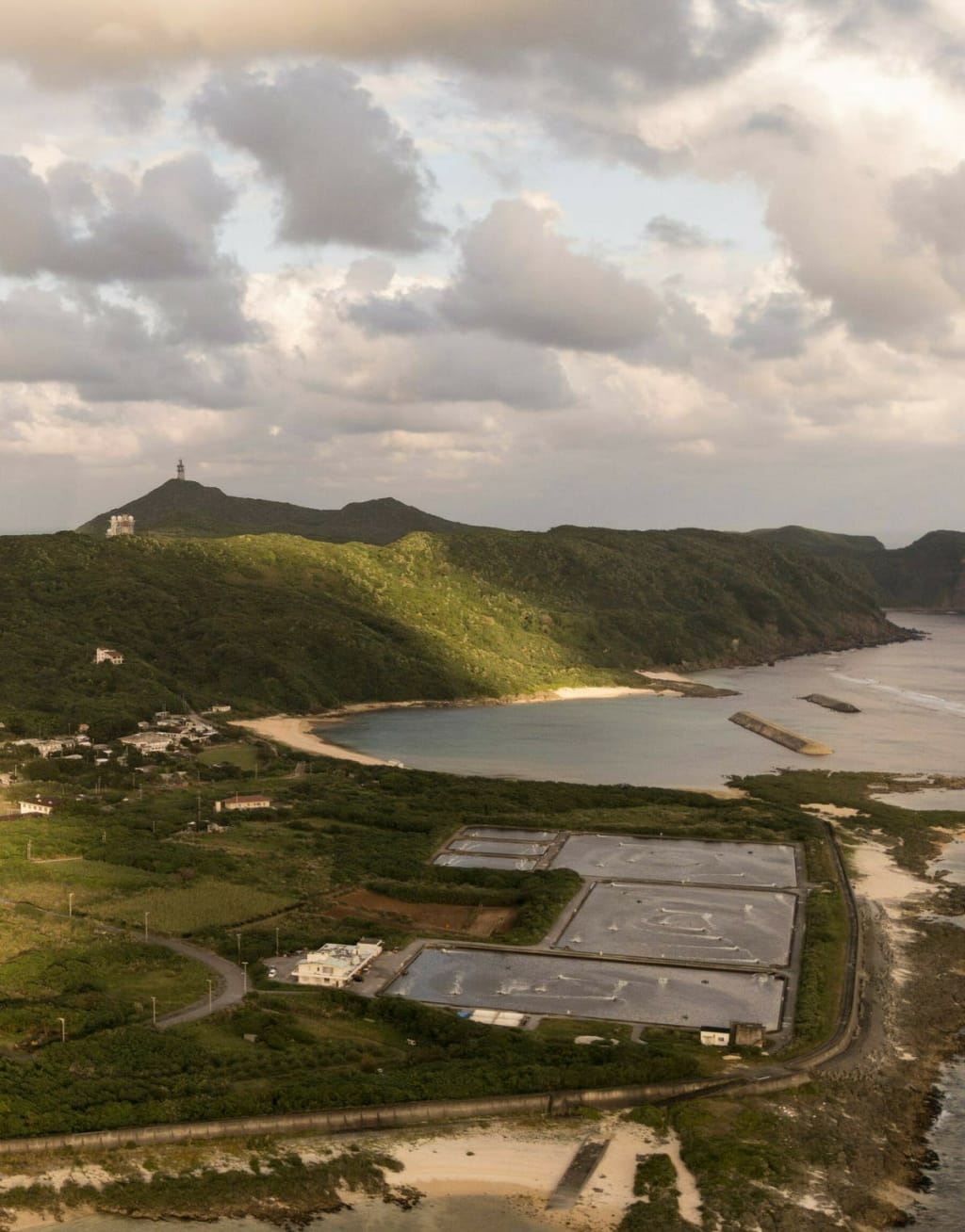
In a strategic move that has drawn international attention, Japan is reinforcing its remote island of Yonaguni, located just 111 kilometers from Taiwan. The tiny island, part of Japan’s Okinawa Prefecture, is set to host Japanese soldiers, advanced radar systems, and missile batteries. This step comes amid escalating tensions with China over territorial claims and regional security concerns. However, while policymakers hail the deployment as necessary for national defense, some residents of Yonaguni are expressing apprehension about the changes to their quiet, isolated community.
Yonaguni: Japan’s Frontline Outpost
Yonaguni is Japan’s westernmost inhabited island, a small landmass with a population of roughly 1,700 people. Known for its natural beauty and ancient underwater ruins, it has long been a quiet, remote corner of Japan. Yet, its proximity to Taiwan and the East China Sea has turned it into a strategic outpost in recent years.
The Japanese government’s plan to deploy troops, radar stations, and missile batteries reflects growing concerns over China’s expanding military presence in the region. China claims large swathes of the East China Sea, including areas near Japan’s southwestern islands. In recent months, Chinese military aircraft and ships have increased their activity near Japanese waters, raising alarm in Tokyo and prompting the government to strengthen its defenses.
Military Build-Up and Technology
The Japanese Defense Ministry has announced that Yonaguni will see the deployment of a small contingent of self-defense troops, equipped with state-of-the-art radar systems and surface-to-air missile units. The radar installations are designed to provide early warnings of potential intrusions into Japanese airspace, while the missile systems are intended to defend the island and its surrounding waters against any hostile action.
Experts say that this is part of Japan’s broader strategy to fortify its southwestern islands, a move that some analysts compare to the United States’ island defense posture in the Pacific. “Yonaguni is geographically small but strategically critical,” says Dr. Kenji Sato, a security analyst specializing in East Asian geopolitics. “Japan is essentially establishing a first line of defense against any potential escalation in the region.”
Residents’ Concerns
While the government frames the deployment as a necessary security measure, residents of Yonaguni are experiencing mixed feelings. For decades, the island has been known for its peaceful environment and close-knit community. The sudden presence of military personnel and weaponry is a stark contrast to their daily life.
Many locals worry about becoming a target in case of regional conflict. “We’ve lived here quietly all our lives,” says a resident who wished to remain anonymous. “Now, with soldiers and missiles, we feel like we’re on the front line of a war we didn’t choose.” Some also express concerns about the impact on tourism and fishing, which are the main sources of income for the island. An increase in military activity may deter visitors and disrupt traditional livelihoods, adding another layer of anxiety for the residents.
Regional Implications
Yonaguni’s militarization is part of a larger pattern of tension in the East China Sea and the Taiwan Strait. China’s growing assertiveness in the region, combined with Japan’s strategic response, has created a delicate balance of power. Analysts suggest that Japan’s moves may be intended not only to defend its territory but also to reassure allies, particularly the United States, about its commitment to regional stability.
However, there is also concern that this military expansion could escalate tensions further. China has repeatedly criticized Japan’s defense upgrades on its southwestern islands, calling them provocative. Some international observers warn that an increase in military assets in such close proximity could lead to miscalculations or unintended confrontations.
Balancing Security and Community Life
Japanese authorities face a delicate task: enhancing national security while maintaining the social and economic stability of Yonaguni. Officials have pledged to work closely with the local community to minimize disruption, but the residents’ unease underscores the challenge of balancing strategic necessity with everyday life.
For many, Yonaguni represents more than just a strategic outpost—it is home. The island’s schools, shops, and fishing docks reflect generations of tradition and community life. The sudden militarization is a stark reminder of how global politics can touch even the most remote corners of the world.
Looking Ahead
Yonaguni’s story highlights the intersection of local life and international geopolitics. While Japan strengthens its defenses in the face of rising regional threats, the residents’ worries are a reminder that security measures come with social and psychological costs. How the situation unfolds will depend on broader China-Japan relations, regional diplomacy, and the delicate balance of military readiness and civilian life.
As tensions in East Asia continue to simmer, Yonaguni stands as a symbol of the challenges faced by nations trying to protect themselves without disrupting the communities they are meant to safeguard. The eyes of the world will likely remain on this tiny Japanese island, where soldiers, radar, and missiles now share space with centuries-old traditions and a small but resilient population.
About the Creator
Muhammad Hassan
Muhammad Hassan | Content writer with 2 years of experience crafting engaging articles on world news, current affairs, and trending topics. I simplify complex stories to keep readers informed and connected.
Keep reading
More stories from Muhammad Hassan and writers in 01 and other communities.
Beijing Condemns the Demolition of a Monument Honoring the Chinese Community in Panama
In late December 2025, a quiet corner of Panama became the epicenter of an unexpected diplomatic dispute after a monument honoring the century‑long presence of the Chinese community was demolished by local authorities — igniting strong reactions from Beijing, protests from Panamanians, and deep conversations about heritage, respect, and international friendship. �
By Muhammad Hassan2 months ago in Gamers
How Do Crypto Marketing Services Select the Right Influencers?
The cryptocurrency industry is growing at an unprecedented pace. With the rise of decentralized finance, NFTs, and blockchain-powered projects, businesses are now investing heavily in crypto marketing to reach the right audience. A critical component of any successful marketing campaign is influencer marketing. Selecting the right influencers can make or break a crypto project’s success. But how exactly do crypto marketing services identify and collaborate with the most effective influencers? This blog explores the methods, strategies, and metrics used to choose the right influencers for crypto campaigns.
By Jack santo2 days ago in 01
Belle of the Bayou
Bad move, cher. Not just the slip of her kitten heel on the rainy February cobblestones in the Fourth Ward. She got caught snooping. Detective Deleon clucked and strutted like a rooster in his rush to clear her from the scene, waving cigar smoke to and fro as he gesticulated amid the thick air of the speak easy. An experienced crime reporter, Marie knew better than to let the coppers catch her on the wrong side of the line, but curiosity had gotten the better of her.
By Maia Gadwall the metAlchemist6 days ago in Fiction



Comments
There are no comments for this story
Be the first to respond and start the conversation.