
Why Museums Are Turning to Mixed Reality and AI to Engage Gen Z Visitors
How Museums Blend AI and Mixed Reality to Hook Gen Z Audiences

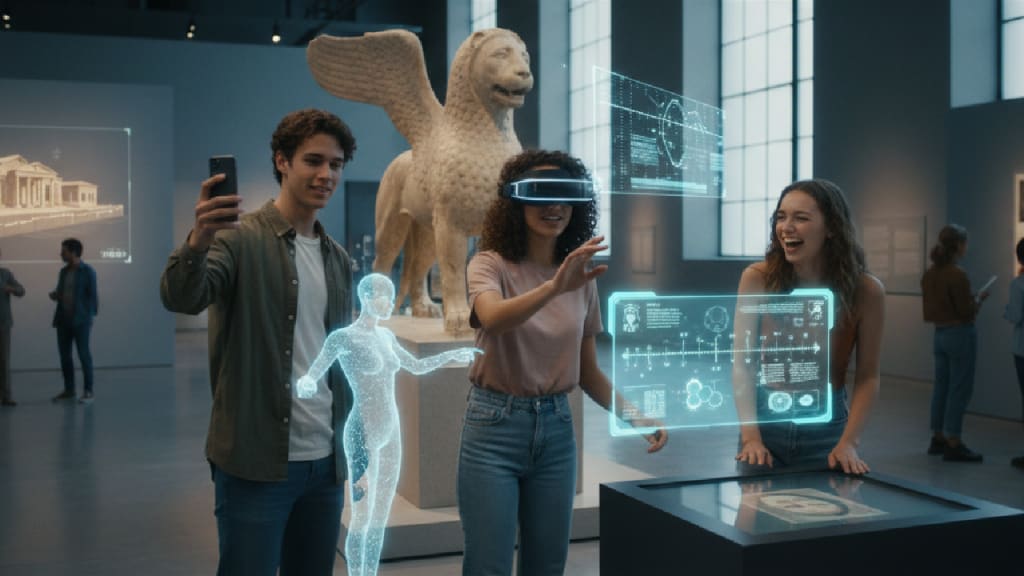
Museums face a structural challenge. The demographic profile of their visitors is shifting. Generation Z, people born between 1997 and 2012, requires different methods of engagement than previous generations. This group uses digital interfaces to access information. They do not respond well to static displays. They expect active participation.
Museum administrators observe a decline in engagement when they present information solely through printed plaques and artifacts behind glass. To maintain attendance, museums must update their technological infrastructure. They implement mixed reality (MR) and artificial intelligence (AI) to create interactive exhibits.
What are the Requirements of Gen Z Visitors?
Generation Z approaches learning through digital interaction. The American Alliance of Museums reports that younger demographics demand participatory experiences and civic learning opportunities. They expect to manipulate digital models, access supplemental information instantly, and use mobile devices as navigation tools. A traditional exhibit format fails to meet these expectations. Visitors often bypass exhibits that lack a digital component. Museums must provide digital touchpoints to capture and hold the attention of these visitors.
Mixed Reality Implementation
Mixed reality overlays digital content onto the physical environment. Visitors use spatial computing headsets or mobile device cameras to view computer-generated 3D objects within the actual museum space. Museum curators use MR to reconstruct damaged artifacts or visualize historical contexts.
For example, a visitor looks at the ruins of an ancient structure through an MR headset. The system superimposes a complete, digital rendering of the original building over the ruins. The visitor uses hand gestures to rotate the digital model and select specific architectural features to read associated data.
To create these MR experiences, developers start with photogrammetry. They take thousands of high-resolution photographs of an artifact from multiple angles. Software compiles these photographs into a highly accurate 3D mesh. Developers then optimize this mesh for real-time rendering on mobile devices.
They map high-definition textures onto the model to replicate the exact surface details of the original object. When a museum utilizes professional digital experience services, the service providers handle this entire pipeline, from the initial scanning to the final software deployment. The final product allows the visitor to see the object in ways that physical reality prohibits, such as viewing the interior structure of a sealed sarcophagus.
Artificial Intelligence Interfaces
Artificial intelligence functions as a real-time information processing tool for visitors. Museums install AI-powered kiosks or integrate AI chatbots into their mobile applications. These systems use natural language processing to answer specific visitor questions. A visitor asks a question about an artist's technique using a microphone on the kiosk. The AI system searches the museum's internal database and generates an immediate text or audio response. The system adjusts the complexity of its vocabulary based on the user's input.
The AI systems also process visual inputs. A visitor uses their smartphone camera to scan a painting. The computer vision algorithm identifies the painting and instantly retrieves the relevant historical data. The visitor does not need to type a search query or look up an index number. The system performs the identification and delivers the information in seconds.
The AI can also suggest related exhibits based on the visitor's current location and past inquiries. Discussions around this technology often focus on broad applications, as seen in this AI-powered process automation, but in museums, the application serves a highly localized function. The AI acts as a dedicated, automated guide that customizes the tour for each individual user.
Back-End Data Operations
AI also manages back-end operations for museum administrators. The software tracks visitor behavior. It records which exhibits receive the most queries, the duration visitors spend in specific rooms, and the languages requested most often. Administrators use this quantitative data to redesign floor plans. If the data shows a bottleneck in a specific hallway, administrators move the popular exhibit to a larger room. If the data indicates a high volume of questions about a specific artifact, curators update the permanent physical plaque to include that information. This process ensures the museum continuously adapts to actual visitor behavior.
Platform Integration
Museums require a unified software architecture to support these individual features. A disconnected system causes technical failures and frustrates users. Administrators implement comprehensive AI-powered digital experience platforms for museums to manage content delivery. These platforms sync the mobile application, the AI chatbots, and the MR headsets. When a curator updates an artifact's description in the central database, the platform automatically pushes that update to the mobile app and the AI system. This centralized control prevents contradictory information and reduces the workload for the museum's IT staff.
Expanding Accessibility
These digital tools also provide immediate accessibility solutions. Traditional museums struggle to accommodate visitors with visual or auditory impairments. AI systems generate real-time audio descriptions of visual exhibits for blind visitors. They process the visual data from a camera feed and describe the scene using synthetic speech.
For deaf visitors, the system provides real-time text transcriptions of any audio or video presentations. MR headsets display these transcriptions as subtitles floating in the user's field of view. The user adjusts the font size and color for optimal readability. This application of technology ensures that the educational content remains accessible to all visitors, regardless of their physical capabilities.
Hardware and Maintenance Requirements
Deploying these technologies requires specific hardware and maintenance protocols. Museums must purchase MR headsets, interactive touchscreen kiosks, and high-capacity wireless routers. The physical building must support high-speed internet access in all exhibit halls. Dead zones prevent the AI chatbots and MR applications from functioning.
IT personnel must perform regular software updates and calibrate the MR spatial mapping tools. They must clean and sanitize the headsets after each use. These operational requirements represent a permanent shift in how museums allocate their annual budgets. Administrators redirect funds from traditional physical dioramas to software licensing and hardware maintenance.
Conclusion
Technology dictates how people consume information. Generation Z establishes the new standard for consumer expectations. They demand interactivity, immediate data retrieval, and personalized content delivery. Museums respond to this demand by upgrading their digital infrastructure. They install mixed reality exhibits, integrate AI-powered chatbots, and deploy comprehensive software platforms. Museum administrators who execute these specific technological upgrades secure future attendance. They guarantee that their facilities remain functional centers for education and cultural preservation.
About the Creator
ViitorCloud Technologies
As a leading software development company, we’ve empowered 500+ startups, SMBs, and enterprises to transform their operations. Upgrade your business with our AI-First Software and Platforms that automate and scale, keeping you future-ready.
Keep reading
More stories from ViitorCloud Technologies and writers in 01 and other communities.
The 3 Pillars of Digital Transformation: Revenue, Content, and Engagement
Digital transformation is a term that often confuses business leaders. In the past, it meant moving from paper records to digital files. Today, it means something entirely different. It is the process of using technology to create a cohesive ecosystem where every part of a business talks to every other part.
By ViitorCloud Technologiesa day ago in 01
Manual vs Automated WordPress Maintenance: Which Is Better?
Maintaining a WordPress website is more than just updating plugins or themes; it's about keeping your site secure, fast, and performing at its best. Whether you run a personal blog, an online store, or a business website, regular maintenance ensures that visitors have a smooth experience and that your SEO doesn’t take a hit.
By Henry Davids6 days ago in 01

Comments
There are no comments for this story
Be the first to respond and start the conversation.