
Why Microsoft's Windows Smartphone Failed!
The rise and fall of Microsoft's initial smart device
The rise and fall of the Windows Phone serve as a cautionary tale in technological evolution while illustrating how even the most influential companies can stumble when they fail to adapt to shifting market dynamics and consumer preferences. Microsoft’s journey with its Windows Phone platform involved a series of strategic missteps, technological shortcomings, and a failure to anticipate and respond to the evolving demands of the smartphone market. So, without wasting any more time, let us explore the key factors that contributed to the decline of the Windows Phone, focusing on Microsoft’s initial market dominance, the misjudgment of user preferences, the competition from iPhone and Android, and the eventual decline following unsuccessful attempts to revive the platform through partnerships and new product launches.
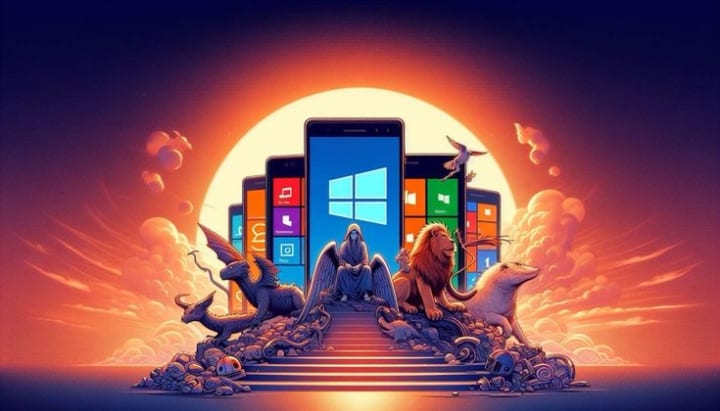
Initial Dominance and Misjudging User Preferences
In the mid-2000s, Microsoft was a leading force in the smartphone market with its Windows Mobile operating system. At that time, the smartphone landscape was still in its infancy, and business professionals who valued features like physical keyboards and strong integration with Microsoft Office used the devices. Windows Mobile catered to this demographic effectively, providing a robust platform for productivity-focused applications. However, this initial success dwarfed the smartphone design and functionality revolution.
The turning point came in 2007 when Apple introduced the iPhone. The iPhone’s sleek design, touchscreen interface, and emphasis on user experience and accessibility significantly departed from the clunky, business-oriented smartphones of the past. Steve Ballmer, then-CEO of Microsoft, famously underestimated the impact of the iPhone, dismissing it as an overpriced device that would not appeal to business users. The misjudgment was emblematic of a broader failure within Microsoft to recognize the changing priorities of consumers. The company continued to focus on business users, underestimating the growing importance of a seamless and intuitive user experience that appealed to a broader audience.
The Rise of iPhone and Android
Apple’s introduction of the iPhone in 2007 fundamentally altered the smartphone market. The iPhone’s success demonstrated that consumers valued functionality and aesthetics, ease of use, and a rich ecosystem of apps. The App Store, launched in 2008, became a crucial component of the iPhone’s success, offering a wide range of applications that extended the device’s capabilities far beyond what was available on Windows Mobile. The touchscreen interface and the ability to download and install apps easily made the iPhone an instant hit among consumers.
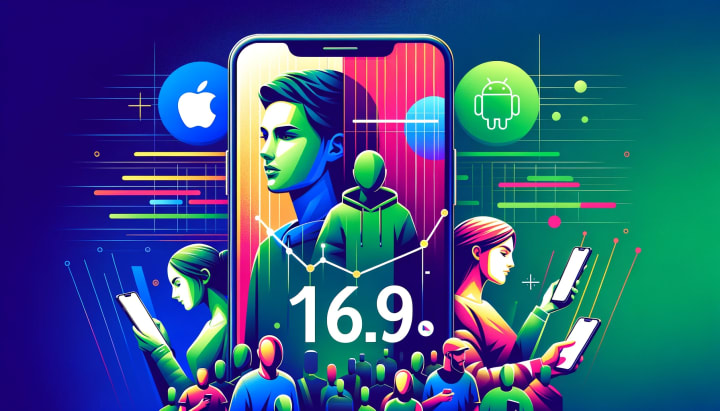
That same year, Google launched Android, an open-source mobile operating system that quickly gained traction among device manufacturers. Unlike Apple’s iOS, which was exclusive to Apple devices, Android became available to numerous manufacturers, leading to a rapid proliferation of Android-powered smartphones. The move democratized smartphone access, making high-quality devices available at various price points and contributing to the rapid growth of the Android ecosystem.
As iOS and Android dominated the market, Microsoft found itself increasingly sidelined. The company’s focus on business users and its reliance on outdated design philosophies meant it was ill-prepared to compete with the consumer-friendly approaches of Apple and Google. The lack of a vibrant app ecosystem further exacerbated the problem as developers flocked to platforms with larger user bases and more lucrative opportunities.
Introducing Windows Phone 7
In an attempt to regain its footing in the smartphone market, Microsoft launched Windows Phone 7 in 2010. The new operating system featured a fresh user interface called Metro. It received a lot of praise for its unique design and touch responsiveness. Unlike the cluttered and complex interfaces in Windows Mobile versions, Metro offered a cleaner, more modern aesthetic better suited to touchscreens. However, despite these improvements, Windows Phone 7 was hampered by several critical shortcomings.
One of the most significant issues was the lack of backward compatibility with Windows Mobile applications. This decision alienated many existing Windows Mobile users who had invested in the platform and failed to transition smoothly to Windows Phone 7. Additionally, Windows Phone 7 lacked many essential business features that had been the hallmark of Windows Mobile, further distancing itself from its core user base.
Moreover, the Windows Phone 7 app ecosystem was severely underdeveloped compared to iOS and Android. While the Metro interface was well-received, the operating system lacked the broad range of apps that users had come to expect from a modern smartphone. This deficiency made it difficult for Windows Phone to attract new users, as many popular apps were unavailable or of inferior quality on the platform.
Partnership with Nokia and the Lumia Series
Microsoft entered a strategic partnership with Nokia in 2011 after acknowledging the need for a reliable hardware partner. Nokia, once a dominant player in the mobile phone market, had struggled to adapt to the smartphone era and was rapidly losing market share. The partnership aimed to combine Nokia’s hardware expertise with Microsoft’s software, creating a series of devices that could compete with the best Apple and Android offered.
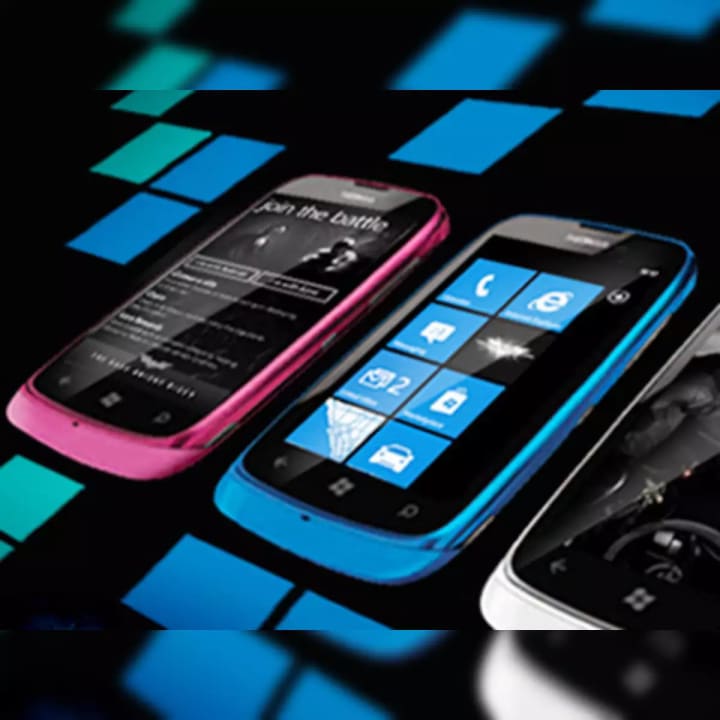
The Lumia series, starting with the Lumia 800 and later the Lumia 900, represented the fruits of this collaboration. These devices were well-received for their design and build quality, and the Metro interface continued to earn praise for its innovation. However, the same problems that plagued Windows Phone 7 persisted. The lack of a robust app ecosystem and limited carrier support hampered the Lumia series’ success, and despite positive reviews, the devices struggled to gain significant market share.
By the time of the Lumia series launch, the market was already saturated with iOS and Android devices, making it difficult for Windows Phone to carve out a niche. The partnership with Nokia, while producing some excellent hardware, came too late to reverse the fortunes of the Windows Phone platform.
The Final Nail in the Coffin
While aiming to unify its software across different device types, Microsoft introduced Windows 10 Mobile in 2015. The idea was to create a seamless experience across smartphones, tablets, and PCs, with a single operating system powering all devices. While the concept was ambitious, the execution proved not good enough.
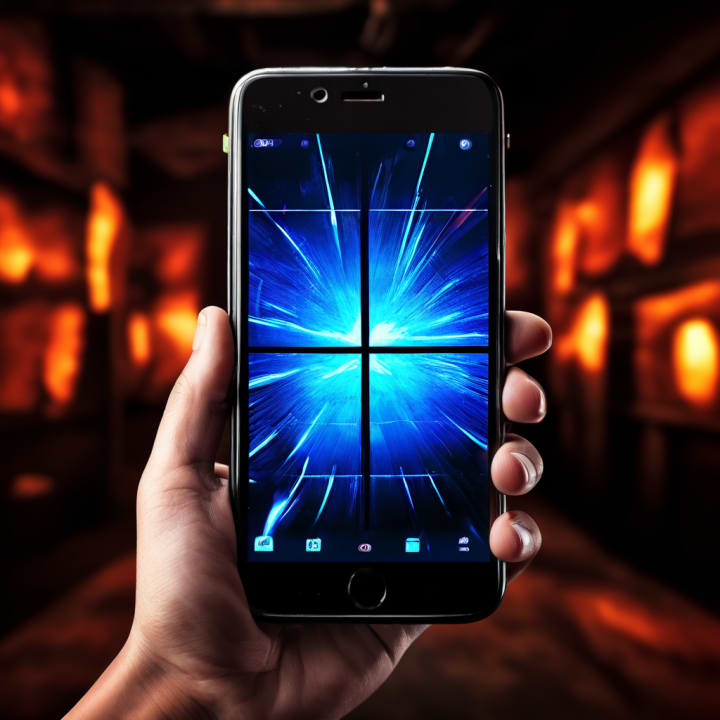
The flagship device for Windows 10 Mobile, the Lumia 950, was met with lukewarm reviews. Critics pointed out its uninspired design, lackluster performance, and, once again, the glaring absence of essential apps. The operating system seemed unfinished, with inconsistent performance and a disorganized user experience. The decline in market share continued unabated, and by 2017, Microsoft had effectively ceased development of Windows 10 Mobile, signaling the end of the Windows Phone era.
Takeaways from the Windows Phone’s Demise
The failure of the Windows Phone arose from a combination of strategic errors, poor timing, and a failure to recognize and adapt to changing market conditions. Microsoft’s initial misjudgment of the smartphone market’s direction, its focus on business users at the expense of broader consumer appeal, and its inability to build a competitive app ecosystem all contributed to the platform’s decline. Even with the partnership with Nokia and the introduction of innovative features like the Metro interface, Windows Phone failed to overcome the momentum of iOS and Android.
Ultimately, the story of the Windows Phone serves as a reminder that in the fast-paced world of technology, even industry giants cannot afford to rest on their laurels. Success requires innovation and a profound know-how of market trends, consumer preferences, and the competitive landscape. As the smartphone market continues to evolve, the lessons learned from the Windows Phone’s failure will undoubtedly resonate with companies seeking to avoid a similar fate.
About the Creator
Generative AI Market Size and Forecast 2025–2033: The Technology Redefining Creativity, Productivity, and Intelligence
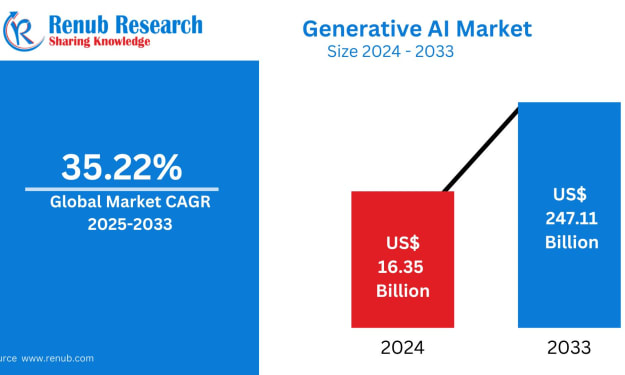
Generative AI Market Overview The Generative AI Market is expected to reach US$ 247.11 billion by 2033, expanding rapidly from US$ 16.35 billion in 2024, at a remarkable CAGR of 35.22% from 2025 to 2033. This explosive growth reflects a fundamental shift in how businesses, governments, and consumers interact with technology. No longer limited to analyzing data or predicting outcomes, generative AI systems now create—producing original text, images, videos, music, software code, and even scientific hypotheses.
By Renub Researchabout 4 hours ago in 01
How to Choose the Best Mobile Application Development Company in 2026
Choosing the right mobile application development company is no longer just a technical decision—it’s a business-critical one. In 2026, mobile apps sit at the intersection of customer experience, brand credibility, and long-term growth. The wrong partner doesn’t just slow development; it can limit scalability, security, and discoverability across modern search and AI-driven platforms.
By alan michael4 days ago in 01



Comments
There are no comments for this story
Be the first to respond and start the conversation.