
Why Is My Water Heater Making Noise? What Those Sounds Really Mean
Paso Robles Plumbing, Heating, and Air
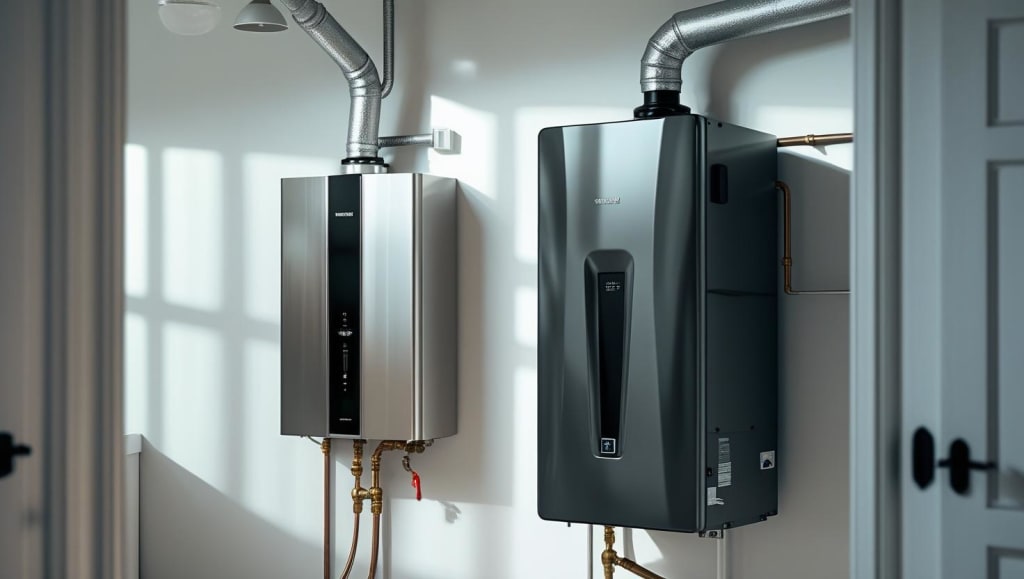
A water heater is one of the hardest-working appliances in any building, quietly delivering hot water for showers, laundry, dishes, and sanitation needs. But when it starts making unfamiliar sounds—popping, banging, hissing, or rumbling—it can be more than just an annoyance. In many cases, those noises are your water heater’s way of warning you that something is wrong.
Whether you're a homeowner trying to preserve your system or a business owner concerned about building operations, understanding these sounds is essential to prevent breakdowns, minimize risk, and avoid costly replacements.
In this article, we’ll explore the most common water heater noises, their causes, what they mean, and what steps you should take—whether it’s a DIY fix or a call to a licensed plumber.
Why Water Heater Noise Shouldn’t Be Ignored
Strange sounds are usually the first symptom of internal stress, inefficiency, or wear. Left unaddressed, they can lead to:
- Tank damage or leaks
- Decreased energy efficiency
- Higher utility bills
- Complete system failure
- Water damage or safety hazards
Recognizing what the noise means allows you to take preventive action—potentially extending the life of your water heater by years.
Types of Water Heater Noises and What They Mean
Let’s break down the most common sounds and what causes them:
🔊 1. Popping or Rumbling
Description:
A deep popping, knocking, or rumbling noise during heating cycles, especially from gas water heaters.
Common Cause:
Sediment buildup at the bottom of the tank. Over time, minerals (especially in hard water areas) accumulate and form a layer of scale. When the heating element activates, it causes water trapped beneath the sediment to boil and pop.
Why It Matters:
- Reduces heating efficiency
- Overworks the burner
- Can lead to overheating and shorten the tank’s lifespan
What to Do:
- Flush the tank to remove sediment
- Install a water softener if hard water is a recurring issue
- If the tank is old (10+ years), consider replacement
🔊 2. Hissing or Sizzling
Description:
Sharp, hissing sounds—especially after a heating cycle or near the drain valve or heating element.
Common Cause:
Water dripping onto hot components, such as the burner or electric heating element. This may indicate:
- A small leak
- A cracked heating element
- Condensation from poor insulation
Why It Matters:
Persistent moisture can cause corrosion, short-circuiting (in electric models), or even increase risk of tank failure.
What to Do:
- Inspect for visible leaks around the temperature and pressure relief valve (T&P valve), drain valve, and tank seams
- If hissing is near electrical elements, shut off power and call a licensed plumber
- Tighten or replace leaking valves
🔊 3. Banging or Hammering
Description:
A loud “hammer” or thudding noise—often when hot water is turned off quickly at a faucet or appliance.
Common Cause:
This is called water hammer, caused by a sudden stop in water flow that sends a shockwave through the pipes.
Why It Matters:
- Can damage pipes and joints
- May weaken fittings over time
- Causes wear on valves and appliances
What to Do:
- Install a water hammer arrestor
- Add or recharge air chambers in the plumbing
- Reduce water pressure if it’s too high
🔊 4. Ticking or Tapping
Description:
Repetitive tapping or ticking sounds, usually near the heater or in nearby walls.
Common Cause:
Thermal expansion of pipes or the water heater’s metal components. As they heat up, metal expands slightly and rubs against brackets, straps, or wall studs.
Why It Matters:
Usually harmless, but it may signal:
- Improper installation
- Insufficient insulation
What to Do:
- Use foam pipe insulation to buffer expansion
- Secure pipes with flexible or cushioned brackets
- If noise is constant or increases, consult a professional
🔊 5. Screeching or High-Pitched Whining
Description:
Sharp, high-pitched squealing when hot water is running.
Common Cause:
A partially closed or faulty valve, typically:
- Inlet/outlet valves
- Relief valves
- Ball valves that are only halfway open
Why It Matters:
Restricted water flow increases internal pressure and forces the system to work harder—shortening its lifespan.
What to Do:
- Check all shutoff valves to ensure they are fully open
- Replace any valve that is damaged or stuck
- If the noise continues, schedule a plumber inspection
What Type of Water Heater Do You Have?
The specific cause and solution can depend on whether you have:
Water Heater Type Unique Noise Considerations
Gas Tank Water Heater Burner-related popping, sediment boil, water hammer
Electric Water Heater Element-related hissing, scaling, short-circuits
Tankless Water Heater High flow noise, scale on heat exchanger, air in system
Hybrid Heat Pump Fan or compressor noise, condensation drip sounds
Understanding your model helps in diagnosing the noise correctly. For example, tankless heaters are quieter but can produce “whooshing” noises from ventilation systems or “clicking” when the ignition fires.
Preventive Maintenance Tips
The best way to eliminate strange noises is to prevent them from developing in the first place.
✅ Annual Water Heater Maintenance Checklist:
- Flush the tank (at least once per year)
- Inspect the anode rod (replace every 3–5 years to prevent corrosion)
- Check the T&P valve
- Insulate the tank and pipes
- Look for signs of rust, leakage, or scaling
- Adjust thermostat to 120°F (to reduce overheating and sediment bake-on)
For commercial buildings, consider biannual maintenance schedules—especially if the water heater serves high-usage areas like restaurants, salons, or medical facilities.
When to Call a Professional Plumber
DIY fixes are safe for flushing and inspecting your tank, but you should call a professional if:
- You hear persistent rumbling, hissing, or hammering
- There is visible leakage around valves or tank seams
- Water has a metallic smell or rusty color
- You suspect an electrical hazard
- The unit is 10+ years old and repair costs are mounting
Professional plumbers use diagnostic tools to test:
- Water pressure
- Gas connections
- Voltage and continuity (for electric units)
- Scaling levels inside the tank or on the heating elements
The Cost of Ignoring the Noise
Delaying action can result in:
Consequence Estimated Cost Impact
Tank rupture $1,000–$5,000+ in repairs
Water damage remediation $2,500–$10,000+
Emergency replacement $1,200–$4,000+
Higher energy bills $20–$50+ per month
Early diagnosis and repair often cost under $200—making proactive service a wise investment.
Final Thoughts: Listen to What Your Water Heater Is Telling You
No appliance should make unexplained noises, especially not one that handles pressurized hot water daily. While some sounds are harmless, others are early warnings of sediment buildup, leaks, or mechanical failure. Learning to decode your water heater's sounds not only improves performance but also prevents disasters.
Whether you’re a homeowner safeguarding your comfort or a business owner managing operational risk, the bottom line is simple: when your water heater starts talking, it’s time to listen.
About the Creator
Keep reading
More stories from Jared Benning and writers in 01 and other communities.
How Often Should You Schedule Professional Carpet Cleaning? (Home vs. Office Guide
Carpets serve as the foundation of comfort and style in both homes and businesses. But over time, they become a silent trap for dust, allergens, bacteria, and even mold—especially in high-traffic areas. While vacuuming is essential for day-to-day maintenance, it’s not enough to preserve the longevity, appearance, or hygiene of your carpet.
By Jared Benning9 months ago in 01
The Growing Demand for Custom Flexible Packaging Manufacturers in China
Flexible packaging has become one of the fastest-growing segments of the global packaging industry. Businesses across food, beverage, cosmetics, and pharmaceutical sectors are increasingly shifting away from rigid containers toward lighter and more adaptable packaging solutions. In many cases, companies rely on a custom flexible packaging manufacturer to create packaging solutions that match their product needs and branding goals. This transition is driven by efficiency, sustainability considerations, and the need for packaging that works well with modern production systems.
By charliesamuela day ago in 01



Comments
There are no comments for this story
Be the first to respond and start the conversation.