
The Growing Demand for Custom Flexible Packaging Manufacturers in China
Chinese manufacturers are transforming global flexible packaging solutions.

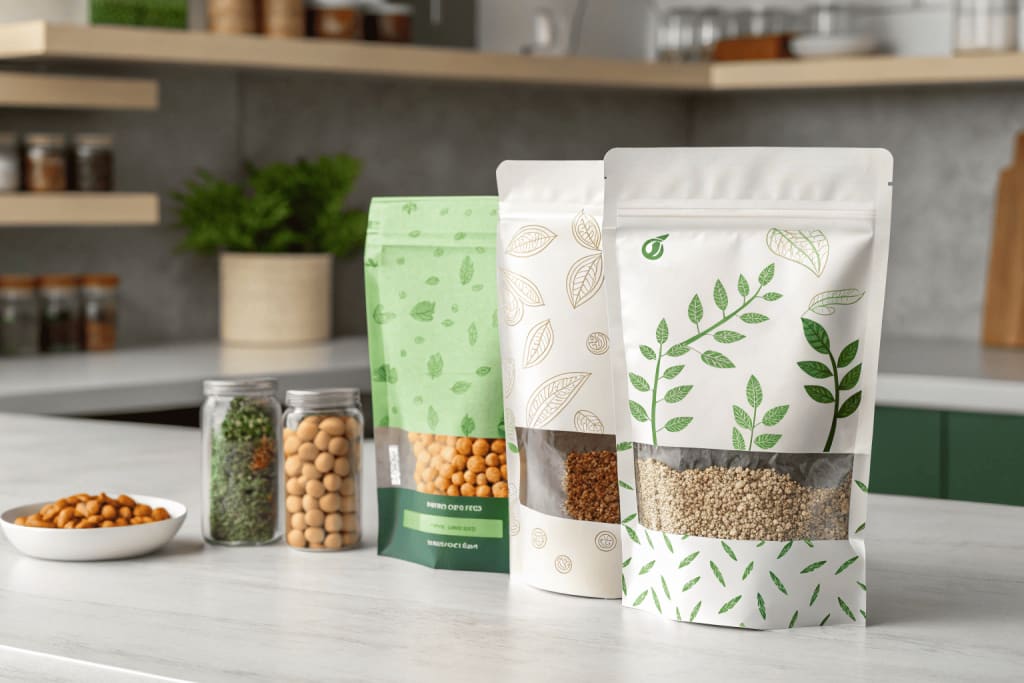
Flexible packaging has become one of the fastest-growing segments of the global packaging industry. Businesses across food, beverage, cosmetics, and pharmaceutical sectors are increasingly shifting away from rigid containers toward lighter and more adaptable packaging solutions. In many cases, companies rely on a custom flexible packaging manufacturer to create packaging solutions that match their product needs and branding goals. This transition is driven by efficiency, sustainability considerations, and the need for packaging that works well with modern production systems.
Today, flexible packaging plays an essential role in protecting products, improving logistics, and helping brands present their products more effectively to consumers. As manufacturing technologies improve, companies around the world are exploring how customized packaging solutions can support both product quality and brand identity.
Understanding Flexible Packaging
Flexible packaging refers to packaging made from materials that can easily change shape. These materials often include plastic films, foil, paper, or layered composites designed to protect products while remaining lightweight and durable.
Unlike rigid containers such as glass jars or metal cans, flexible packaging can adapt to the shape of the product. This allows manufacturers to reduce material use and improve shipping efficiency while maintaining strong product protection.
Common flexible packaging formats include:
- Stand‑up pouches
- Vacuum packaging
- Rollstock film
- Sachets
- Retort pouches
These formats are widely used in industries such as food production because they help extend shelf life, prevent contamination, and make products easier for consumers to store and transport.
Why Businesses Use Custom Flexible Packaging
Many manufacturers prefer customized packaging solutions rather than generic formats. Custom flexible packaging allows companies to tailor materials, size, design, and protective properties to match the specific needs of their products.
Several advantages make flexible packaging an attractive option.
Product Protection
Flexible materials can be engineered with multiple protective layers that shield products from oxygen, moisture, and light. This is especially important for products such as snacks, coffee, frozen food, and nutritional items.
Branding and Design
Flexible packaging allows companies to print high‑quality graphics directly onto the material. Clear branding and strong visual design can help products stand out on retail shelves and improve consumer recognition.
Cost and Transportation Efficiency
Flexible packaging generally weighs less than rigid packaging alternatives. Reduced weight can lower shipping costs and make transportation more efficient throughout the supply chain.
Sustainability Considerations
Packaging manufacturers are increasingly exploring recyclable materials, reduced‑plastic structures, and other environmentally conscious packaging options. Flexible packaging often uses less raw material overall, which can reduce environmental impact during production and transportation.
The Global Manufacturing Landscape
Flexible packaging manufacturing has expanded rapidly across many regions of the world. Countries with strong manufacturing infrastructure and technical expertise have become major contributors to the global packaging supply chain. Among these regions, China has become an important China flexible packaging supplier, contributing significantly to global packaging production.
Advances in printing technology, material science, and automation have allowed packaging manufacturers to produce high‑quality films and pouches at large scale. These innovations make it possible to meet the growing demand for packaging used in food, healthcare, consumer goods, and e‑commerce products.
At the same time, international trade has made it easier for companies to source packaging materials from different regions depending on cost, expertise, and production capacity.
The Importance of Rollstock Film
Rollstock film is one of the most commonly used materials in automated packaging systems. It is supplied as large rolls of film that are fed into machines where the packaging is formed, filled with product, and sealed during the manufacturing process.
This method is widely used because it supports efficient high‑volume production.
Efficient Production
Rollstock film works well with automated equipment, allowing manufacturers to package products quickly and consistently. This helps reduce labor costs and increases overall production speed.
Flexible Material Structures
Rollstock films can include multiple layers that provide specific barrier properties. These layers help control exposure to oxygen, moisture, or light depending on the requirements of the product being packaged.
Wide Range of Applications
Rollstock film is used in many industries, including:
- Snack and confectionery products
- Frozen foods
- Coffee and beverage products
- Pet food
- Medical and hygiene products
Because of its versatility, rollstock film continues to be a key material in modern packaging operations.
Future Trends in Flexible Packaging
As consumer expectations and environmental standards continue to evolve, the packaging industry is undergoing significant changes. Several trends are shaping the future of flexible packaging.
Sustainable Materials
Research into recyclable films, compostable materials, and reduced‑plastic packaging structures is expanding. Manufacturers are investing in technologies that balance product protection with environmental responsibility.
Smart Packaging Features
Some packaging designs now include digital features such as QR codes, freshness indicators, or tracking systems. These innovations can improve product transparency and enhance consumer engagement.
Lightweight Design
Reducing the amount of material used in packaging helps decrease transportation emissions and manufacturing costs while maintaining product safety.
Digital Printing
Modern digital printing technologies allow faster design updates and smaller production runs. This flexibility can benefit brands that frequently update product designs or launch limited product lines.
Choosing the Right Packaging Approach
For manufacturers, selecting the right packaging solution involves balancing several factors, including product protection, cost efficiency, sustainability goals, and brand presentation. Flexible packaging continues to evolve as new materials and production technologies become available.
Companies that understand these developments can make informed decisions that support both operational efficiency and consumer expectations.
Conclusion
Flexible packaging has become a critical component of modern product manufacturing and distribution. Its lightweight structure, adaptability, and protective capabilities make it suitable for a wide range of industries. In global supply chains, a China roll stock film manufacturer often plays an important role in producing packaging materials used by food and consumer product companies.
As packaging technologies continue to advance, flexible packaging solutions will likely play an even larger role in improving product preservation, reducing environmental impact, and supporting efficient global supply chains.
About the Creator
Keep reading
More stories from charliesamuel and writers in 01 and other communities.
Understanding PCB Technology and Its Role in Modern Electronics
Printed Circuit Boards, commonly known as PCBs, are fundamental components in modern electronic devices. From smartphones and computers to medical equipment and industrial machinery, PCBs form the backbone of nearly all electronic systems. These boards provide the physical structure and electrical connections required for electronic components to function together efficiently.
By charliesamuelabout 11 hours ago in 01
5 Best Mobile App Development Companies in Pittsburgh (2026)
Pittsburgh has quietly become one of the most compelling technology cities in the United States. What was once known for steel mills and bridges is now home to a thriving ecosystem of software engineers, AI researchers, and product builders. Carnegie Mellon University alone pumps world-class computer science and machine learning graduates into the local workforce every single year, and a growing number of them are choosing to stay and build here rather than relocating to the coasts.
By Samantha Blake3 days ago in 01
Lycan Lore
As the students of my 10am mythology class take their seats, I decide to steer the day's curriculum away from Greek and dive into a Western European discourse on the misaligned beliefs of the Werewolf. A tale of truth or fiction. No one really knows.
By Lamar Wigginsabout 3 hours ago in Fiction




Comments
There are no comments for this story
Be the first to respond and start the conversation.