
Why Gen Z Is Quitting 9-5 Jobs for Good
How a New Generation Is Redefining Work, Freedom, and Success in the Post-Pandemic Era

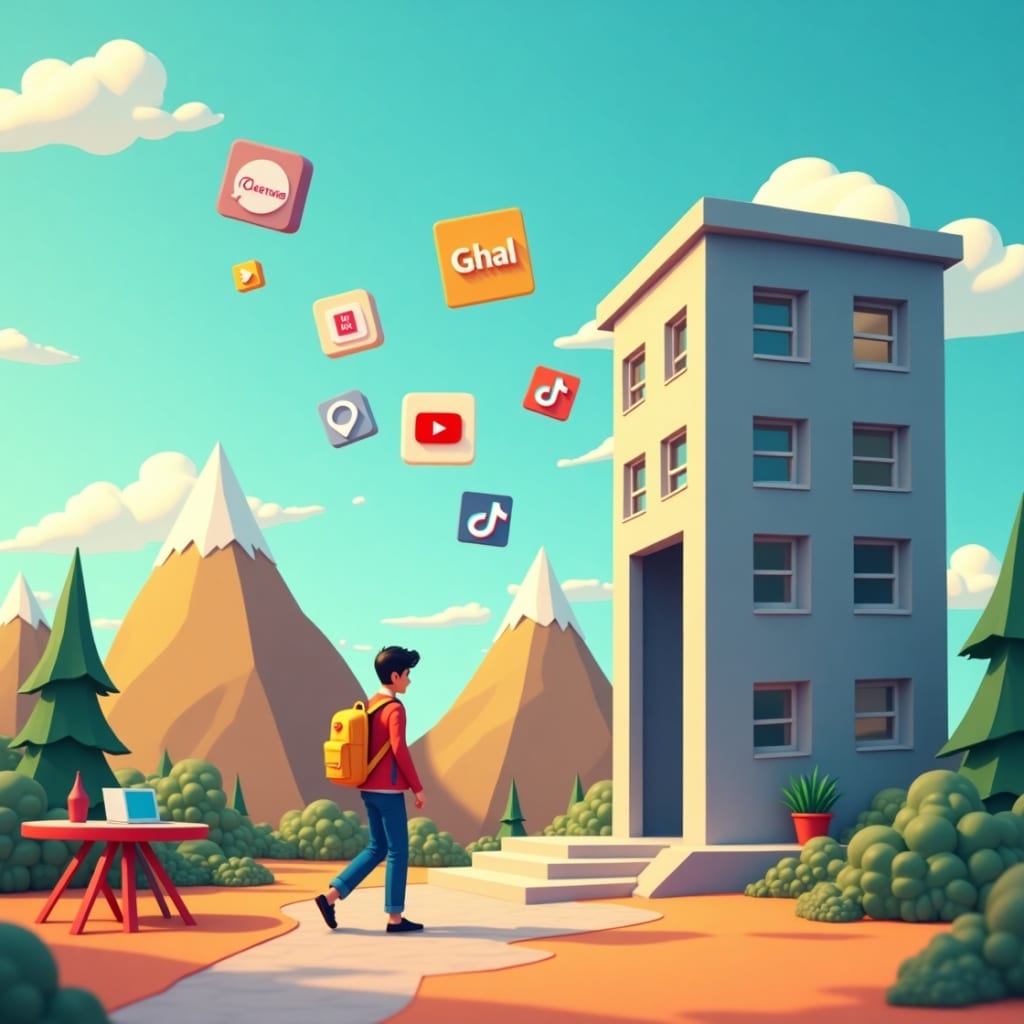
A revolution is brewing in the global workforce and it's being spearheaded by Gen Z—the generation born around 1997 to 2012. In contrast to earlier generations that fought for security through conventional employment, Gen Z is increasingly moving away from the 9-to-5 life. For the majority in this generation, the guarantee of stability, benefits, and a regular paycheck just isn't sufficient to warrant a life encased in cubicles, Zoom calls, or strict corporate cultures.
Rather, they're opting for freelancing, entrepreneurship, creative endeavors, and remote-first living. It's not a fad—this is a cultural and economic transformation that's remaking the future of work.
1. Values Over Paychecks
Gen Z is driven by a different set of priorities than their predecessors. Purpose, autonomy, flexibility, and mental well-being often take precedence over salary or job titles. In a world facing existential threats like climate change, political instability, and rapid automation, this generation wants more than just a paycheck—they want meaning.
They are more inclined to question old hierarchies and redefine the old measures of success. A six-figure career with burnout tagged on is not as desirable as a job that brings balance, creative fulfillment, and time autonomy—even if it doesn't pay as well.
2. Digital Natives in a Digital Economy
Growing up with the internet, smartphones, and social media, Gen Z is more technology literate than any generation before them. They don't view digital tools as add-ons to work—they view them as the work.
The emergence of TikTok, YouTube, Substack, Etsy, and Patreon platforms has armed them with the ability to create audiences, monetize talent, and start businesses in their bedrooms. The system of entrepreneurship permits earning opportunity without gatekeepers, and plenty are grabbing that chance with both hands.
3. The Great Reassessment
The COVID-19 pandemic was a pivotal moment. It shattered the illusion of job security and made millions reevaluate what they wanted from life and work. For Gen Z—many of whom entered the workforce during or after the pandemic—the idea of sacrificing years at a desk for corporate loyalty seems antiquated.
Instead, they’re asking: What’s the point of climbing a corporate ladder if the ladder is leaning against the wrong wall?
This millennial self-reflection has driven an increase in what some describe as "anti-work" sentiment—not laziness, but a desire for wiser, more compassionate means of working.
4. Burnout Is a Dealbreaker
In contrast to past generations, who boasted about overwork as a badge of honor, Gen Z sees burnout as an epidemic of ill health. Long working hours, poisonous workplaces, and rigidity are not the badges of success as in times past but evidence of systemic failure.
A 2022 Deloitte survey discovered that almost half of Gen Z employees indicated they felt stressed or anxious most of the time, and several pointed to bad work-life balance as the leading cause for leaving jobs. Mental health isn't a buzzword to them—it's a given.
5. New Definitions of Success
Success is being redefined for Gen Z. It's not about the corner office or retirement benefits—it's about autonomy, mobility, making a difference, and happiness. It's more likely that Gen Z will define their lives in moments, not achievements.
Traveling the globe as a digital nomad, earning a living from a side hustle, or being able to care for loved ones on their own schedule—this is what Gen Z is looking for in life on their own terms.
6. A Boom in Freelance and Creator Economy
The numbers tell the story: Gen Z is the most rapidly expanding group in the freelance economy. From coding and graphic design to coaching and content creation, most are turning to gig-based or self-employed work that provides more autonomy over their time and earnings.
Freelancing has its drawbacks—no benefits, uneven income, and loneliness—but it provides something the 9-5 never did: freedom of choice.
What Does This Mean for the Future of Work?
Organizations that aspire to attract and retain Gen Zers will need to reimagine everything—starting from work models and compensation designs to values and culture. Providing hybrid choices, mental health assistance, and substantial work opportunities will no longer be bonuses—they'll be norms.
Meanwhile, as Gen Zers create their own pathways, we could witness a world that prioritizes craftsmanship, self-reliance, and complete well-being above conformity and hustle culture.
It's not a mere rejection of the 9-5—it's the beginning of a new philosophy: Work should be done to live, not the reverse.
About the Creator
Muhammad Sohail
Stories have the power to change lives. I aim to transport you to new worlds, ignite your imagination, and leave you thinking long after the final chapter. If you're ready for unforgettable journeys and characters who feel real.
Keep reading
More stories from Muhammad Sohail and writers in 01 and other communities.
How Social Media Is Quietly Rewiring Your Brain
In the past two decades, social media has transformed from a niche networking tool into a daily ritual for billions. Platforms like Instagram, TikTok, Twitter (now X), and Facebook have become more than just communication hubs—they’re digital ecosystems shaping how we think, feel, and behave. While much of the focus has been on privacy, misinformation, and mental health, a quieter but more profound transformation is taking place: social media is literally rewiring our brains.
By Muhammad Sohail8 months ago in 01



Comments
There are no comments for this story
Be the first to respond and start the conversation.