
Why Gen Z is Bringing Back 2000s Emo Culture—And What It Says About Us
From dark eyeliner to My Chemical Romance playlists, Gen Z is reviving emo culture—but this time, it’s about identity, healing, and connection
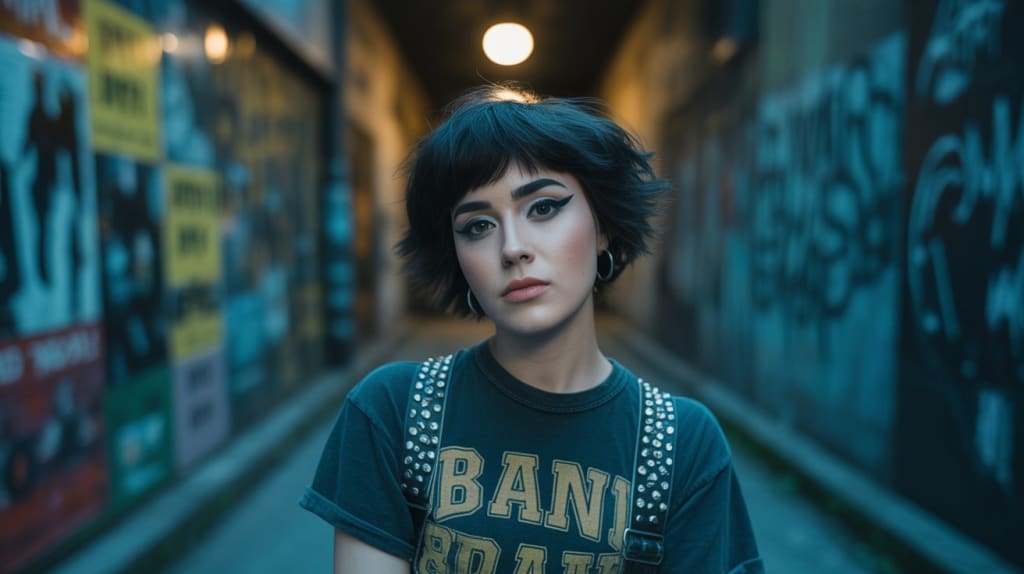
Emo is Back, But Why Now?
If you walk into a thrift store or scroll through TikTok, you’ll notice something familiar: black eyeliner, band tees, ripped jeans, and emotional lyrics playing in the background. Welcome to the emo revival, led by Gen Z.
This generation, known for being tech-savvy, open-minded, and emotional, is breathing new life into a subculture that was popular in the early 2000s. This time, emo isn’t just about teenage angst or rebellion. It's something deeper.
So, why is emo coming back now, and what does it reveal about today’s youth?
What Is Emo Culture, Exactly?
“Emo” (short for emotional) began as a music genre in the 1980s and grew into a full-blown youth movement in the early 2000s. It was known for:
- Bands like My Chemical Romance, Fall Out Boy, Paramore, and Dashboard Confessional
- Lyrics that openly discussed pain, heartbreak, depression, and identity
- A signature look: black clothes, studded belts, side-swept bangs, skinny jeans, and heavy eyeliner
- A community that offered outsiders a place to belong
For many teens, emo was a way to express, “I feel things deeply, and that’s okay.”
Why Gen Z Feels Connected to Emo Culture
1. Mental Health Is Front and Center
Gen Z is more open than any generation before about mental health. Discussing depression, anxiety, or trauma isn’t taboo; it’s encouraged.
Emo music, with its raw and emotional lyrics, resonates with those feelings. In a world full of pressure, comparison, and uncertainty, songs that reflect how you feel are comforting.
For Gen Z, emo isn’t sad; it’s relatable.
2. It’s About Identity and Expression
In the 2000s, emo was sometimes viewed as dramatic or even dangerous. Today, it is seen as honest.
Gen Z embraces fluid identity, gender expression, and personal freedom, and emo style fits right in. It doesn’t follow rules; it allows you to express who you are, regardless of whether that’s loud, quiet, soft, or intense.
Wearing emo clothes, dyeing your hair, or crying to old songs is no longer "weird"; it's a valid form of self-expression.
3. Nostalgia + Internet Culture
Gen Z loves the 2000s, from low-rise jeans to old-school technology. Emo fashion, music, and MySpace-era graphics are appearing across TikTok, Instagram, and Pinterest.
Apps like TikTok make it easy to find and share emo content. There’s a mix of humor, nostalgia, and genuine love for the era. Many Gen Z kids grew up listening to their older siblings’ emo playlists, so it already feels familiar.
4. It’s a Form of Healing
Many Gen Zers are using emo music and culture as a way to process their emotions, both personal and collective. From climate anxiety to global instability to personal trauma, this generation carries a lot.
Emo gives them permission to feel everything. It allows them to say, “I’m not okay,” without fear of judgment.
How Emo Looks Different Today
While Gen Z draws inspiration from early 2000s emo, they put their own twist on it.
More inclusive: Today’s emo scene is more diverse, welcoming people from all backgrounds, genders, and identities.
Less gatekeeping: You don’t need to know every band or fit a specific look to belong.
Blended styles: Emo fashion mixes with e-girl, grunge, cottagecore, and even Y2K trends.
Digital communities: Instead of local shows or MySpace, today’s emo kids connect through TikTok hashtags, Discord groups, and playlists.
This is emo for the modern age — still emotional but more open and accepting.
---
What It Says About Gen Z
Bringing back emo culture communicates a lot about Gen Z:
- They value authenticity over perfection.
- They care about mental health and emotional honesty.
- They’re not afraid to revisit the past to create something new.
- They’re building spaces where everyone can feel seen.
In a world that often feels disconnected and fast-paced, Gen Z uses emo culture to slow down, feel, and connect — with themselves and each other.
---
Final Thoughts
Emo isn’t just a trend; it’s a mirror. Gen Z is bringing it back because it reflects how they feel: complex, emotional, misunderstood, and strong.
Whether through music, fashion, or TikTok confessions, this generation shows the world that feeling deeply is not a weakness; it’s a form of power.
So if you notice a new wave of teens wearing black eyeliner, blasting Paramore, or crying to lyrics from 2004, don’t roll your eyes. They’re not being dramatic. They’re being real.
About the Creator
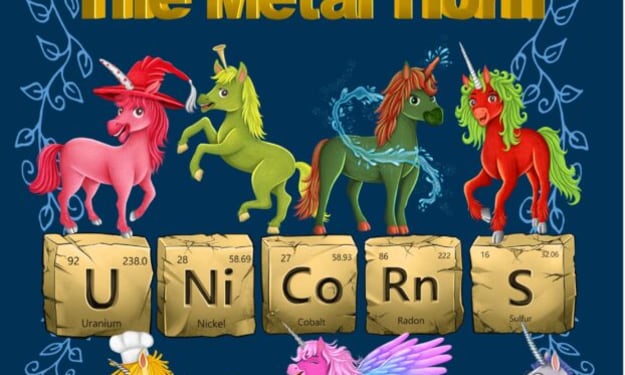
The Metal Horn Unicorns Make Science Magical: A Creative Gateway to the Periodic Table
Learning the periodic table can feel intimidating to many students when it is presented as a dense grid of symbols, atomic numbers, and unfamiliar terminology. Yet chemistry itself is full of wonder: elements form the building blocks of everything in the universe, from the oxygen we breathe to the gold in jewelry and the silicon in our electronics. When science education taps into imagination, storytelling, and creativity, students often discover that the periodic table is not merely a chart to memorize but a fascinating map of the natural world. This is exactly where The Metal Horn Unicorns Make Science Magical—a unique STEM resource—steps in.
By Bushra Rajpoot5 days ago in 01


Comments
There are no comments for this story
Be the first to respond and start the conversation.