
The Modern Shift to Freestanding Water Dispensers
Convenience, efficiency, and sustainability are reshaping how we access drinking water.

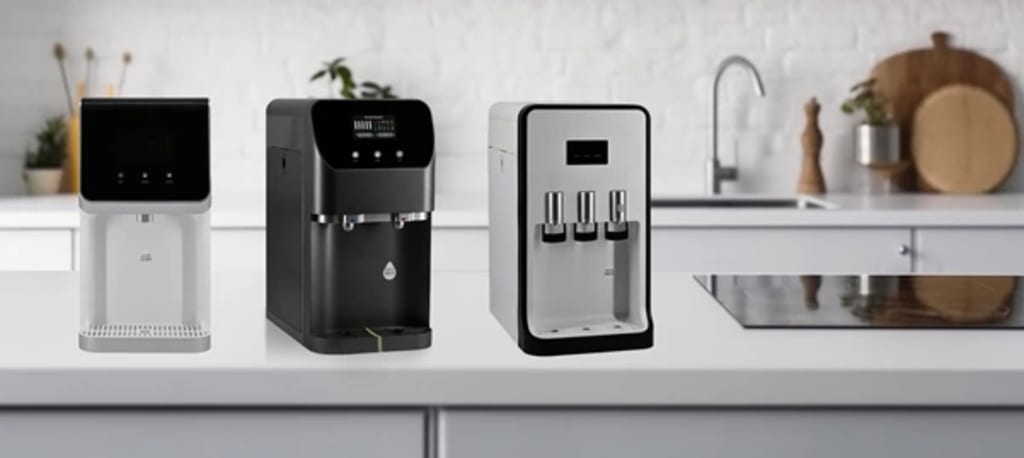
Clean drinking water is no longer a luxury — it is a daily need. Whether in offices, schools, hospitality venues, factories, or homes, reliable access to drinking water influences productivity, comfort, and well-being. As lifestyles evolve and workplaces embrace better employee care, traditional bottled water systems are gradually being replaced by modern hydration solutions such as freestanding water dispensers, also known as floor standing water coolers.
A freestanding unit stands independently on the floor and provides easy access to hot, cold, or room-temperature water. With compact footprints and ergonomic design, standing water dispensers are becoming a preferred choice in high-traffic environments.
Hydration as a Workplace Priority
Most organizations are now paying attention to employee wellness. Studies on workplace productivity consistently show that hydration directly affects energy levels, concentration, and focus. When water access is limited or requires effort — such as walking far to a kitchen or waiting in line — employees tend to drink less throughout the day.
Freestanding dispensers solve this problem by providing:
- A dedicated and visible hydration point
- Quick access to chilled or hot water
- User-friendly operation for people of all ages
For businesses, installing a free standing water dispenser is a small improvement with measurable impact.
Why Freestanding Water Dispensers Are Gaining Popularity
The growing demand for freestanding water dispensers is tied to three major benefits: convenience, hygiene, and flexibility.
Convenience — A dispenser placed in a central location ensures easy access without needing plumbing changes. People can fill cups, bottles, or thermoses without leaving the work area.
Hygiene — Modern standing water dispensers incorporate filtration, sealed tanks, and features that reduce direct hand contact. These changes help maintain water purity and reduce the spread of germs.
Flexibility — Because they stand independently, floor models are not restricted to countertop space or installation near a sink. They can be positioned wherever they are most needed.
These benefits explain why these dispensers are now common in coworking spaces, reception areas, clinics, and manufacturing sites.
Designed for Public Spaces and Heavy Use
Unlike tabletop units, floor standing water coolers are engineered to withstand high usage and frequent refills. Their durability and ergonomic height make them suitable for settings where multiple people need access throughout the day.
Typical environments include:
- Office break rooms
- Fitness centers and gyms
- Schools and training facilities
- Waiting rooms and lobbies
- Apartment and residential shared spaces
In these environments, efficiency and accessibility matter more than aesthetics — although many Water Dispenser factories now offer minimalistic, modern designs that blend into interior spaces.
Features That Make a Difference
Modern standing water dispensers are equipped with practical features that make daily use easier. Common design elements include:
- Hot and cold water dual systems
- Child safety lock on hot water button
- Built-in filtration (in selected models)
- Large dispensing space for refillable water bottles
- Indicator lights for heating and cooling status
The real convenience appears in the details — for example, a dispenser that accommodates tall bottles encourages reusable containers and reduces disposable plastic.
The Manufacturing Perspective: Why Quality Matters
Behind every free standing water dispenser, there is engineering focused on safety and reliability. Water Dispenser manufacturers specializing in water dispensers invest in:
- Food-grade materials that protect water purity
- Leak-proof internal tanks
- Insulation that keeps temperature stable
Companies that produce water dispensers at scale adopt strict quality standards to ensure stability, energy efficiency, and hygiene. Choosing a reputable manufacturer means fewer issues such as unexpected leaks, noise, or inconsistent temperature output.
Sustainability and the Refill Movement
Consumers and businesses are becoming more environmentally conscious. The shift toward refillable bottles — rather than disposable single-use plastics — has influenced the rise of standing water dispensers. By providing instant access to drinking water, dispensers encourage:
- Reduced plastic bottle consumption
- Adoption of reusable cups and bottles
- Lower transportation waste compared to bottled water delivery services
For many organizations, adding a dispenser is a step toward sustainability goals.
A Practical Investment for Homes, Too
Water dispensers are increasingly appearing in residential environments. Families appreciate having immediate access to cold water on warm days, or hot water for tea and instant meals. The convenience and time savings often outweigh the cost of the unit.
In smaller living spaces — studio apartments, dorms, shared accommodations — the vertical, space-saving design of freestanding units makes them a logical choice.
Final Thoughts
The rise of freestanding water dispensers reflects a shift toward smarter hydration solutions. Instead of relying on disposable bottles, restricted access to kitchen areas, or slow filtration pitchers, homes and workplaces are embracing systems that prioritize:
- Convenience
- Hygiene
- Sustainability
- User experience
Water access should be simple. A standing dispenser ensures that it is.
About the Creator
Keep reading
More stories from charliesamuel and writers in 01 and other communities.
Rethinking Packaging: How Custom Flexible Packaging Is Shaping Business Strategy
Packaging has evolved beyond its traditional role. Rather than serving only as protection or a vessel for transport, modern packaging influences brand perception, customer trust, and even environmental responsibility. Industry resources note that packaging plays a major part in how products move through the supply chain and how consumers interact with them.
By charliesamuel2 months ago in 01
How Homeowners in Coastal Alabama Can Plan Residential Repairs Wisely
Owning a home comes with long-term responsibilities, and maintenance is one of the most important. In coastal and southern parts of Alabama, environmental conditions such as heavy rain, humidity, and seasonal storms can gradually affect a home’s structure. Understanding how to plan residential repairs thoughtfully helps homeowners protect their property, manage costs, and avoid larger problems over time.
By M and T Contractor 4 days ago in 01
Building an OTC Crypto Trading Platform for Trades That Can’t Go Public
Not every crypto trade belongs on a public exchange. While exchanges work well for small and medium trades, they often fall short when transactions become large, sensitive, or time-critical. Large orders placed on open order books can move prices, attract attention, and create unnecessary risk. This is why OTC, or over-the-counter, crypto trading platforms exist. Building an OTC crypto trading platform requires a different mindset, design approach, and technical structure compared to regular exchanges.
By smithtaylorabout 20 hours ago in 01




Comments
There are no comments for this story
Be the first to respond and start the conversation.