
Why Everyone Feels Burned Out in the Age of Hustle Culture
Exploring the psychology, tech habits, and societal pressures behind modern burnout — and how to reclaim your time

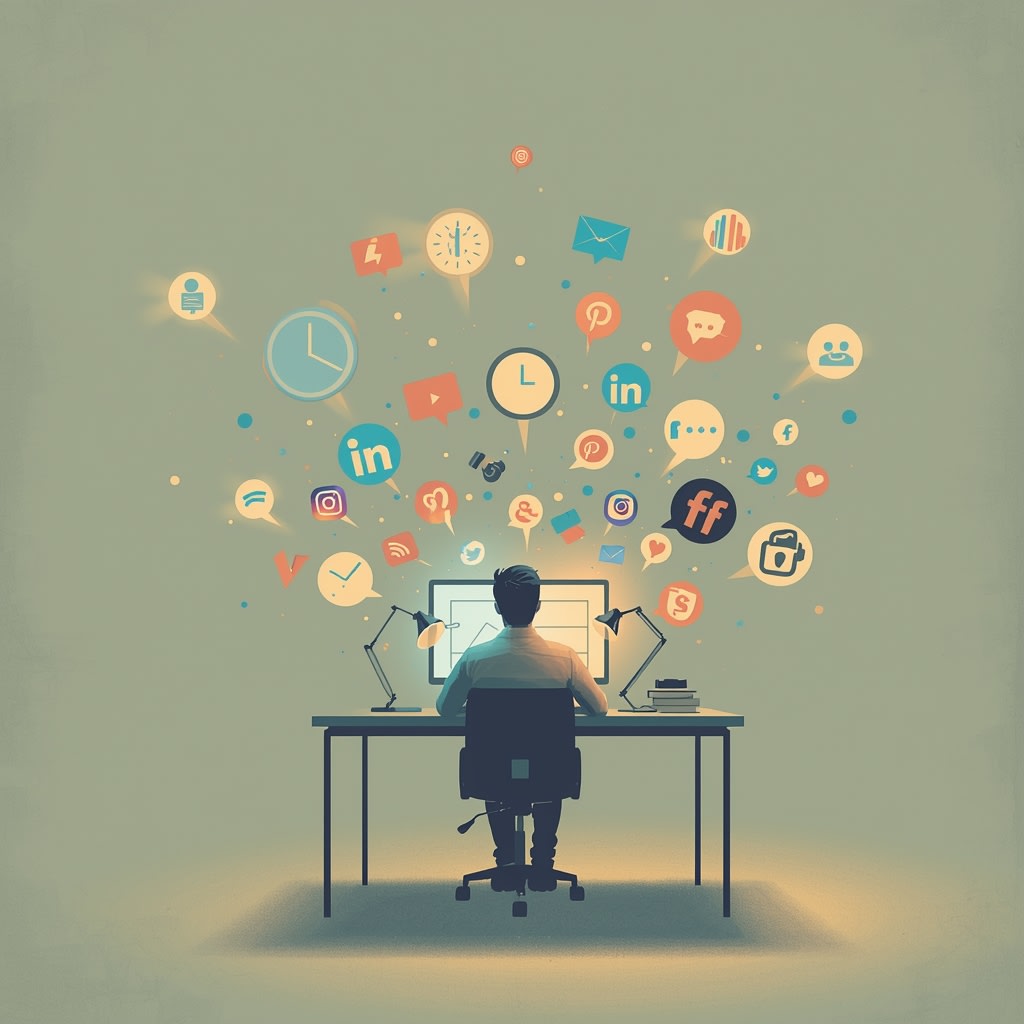
It’s 10 p.m., your laptop is still open, and you’re scrolling through work emails, social media, and half-finished projects. You tell yourself: “Just one more task.” But deep down, you know this isn’t sustainable. Welcome to the age of hustle culture — a world where being busy has become a badge of honor, and burnout is almost expected.
Hustle culture isn’t just a trend; it’s a societal shift. From social media influencers preaching 5 a.m. routines to corporate expectations of constant availability, the pressure to do more, achieve more, and always be productive has become omnipresent. Studies show that chronic stress and overwork are linked to higher rates of anxiety, depression, and physical health problems. Yet, millions continue to push themselves relentlessly, often ignoring the warning signs.
The Role of Technology
Technology has amplified hustle culture in unprecedented ways. Smartphones, messaging apps, and project management tools promise efficiency but blur the line between work and life. Notifications demand attention, emails arrive at all hours, and the fear of missing out (FOMO) drives compulsive checking.
Researchers from the University of California found that constant connectivity increases cortisol levels — the stress hormone — leading to decreased cognitive performance and emotional resilience. In other words, the very tools designed to help us succeed are often accelerating burnout.
Social Media and the Comparison Trap
Social media intensifies the problem. Instagram feeds, LinkedIn updates, and TikTok productivity hacks often showcase curated successes rather than reality. When you scroll through endless posts of other people seemingly “doing it all,” it’s easy to feel like you’re falling behind.
Psychologists call this social comparison fatigue. It creates a cycle where users work harder, overcommit, and experience guilt when they fail to match the idealized lives they see online. Over time, this erodes self-esteem and increases stress.
The Psychology Behind Burnout
Burnout isn’t just tiredness; it’s emotional exhaustion, detachment, and reduced sense of accomplishment. It’s caused by prolonged stress and overextension.
Researchers identify three key factors:
Workload imbalance: Too many tasks and unrealistic expectations.
Loss of control: Feeling trapped or unable to manage priorities.
Value misalignment: Spending energy on work that doesn’t align with personal goals.
The more people ignore these signs, the deeper the burnout becomes — eventually affecting mental and physical health.
Why Rest Feels Counterintuitive
Paradoxically, modern culture frames rest as laziness. Taking breaks or sleeping in is sometimes stigmatized, while overwork is glorified. But studies show that strategic rest improves productivity, creativity, and emotional resilience. The brain consolidates memories, solves problems subconsciously, and reduces stress during periods of downtime.
In other words, doing less can actually help you achieve more — a lesson that hustle culture often overlooks.
Strategies to Reclaim Your Time
Digital detoxes: Set boundaries for notifications, email, and social media usage. Even one hour of screen-free time per day can reduce stress significantly.
Time-blocking: Schedule specific periods for focused work, breaks, and leisure. Protect these blocks as if they were meetings.
Micro-rest practices: Meditation, deep breathing, or a short walk can reset energy levels.
Redefine productivity: Focus on meaningful achievements rather than endless busyness. Ask yourself: “Does this task bring value to my life?”
Community support: Share your struggles with friends, family, or online groups. Burnout thrives in isolation.
A Cultural Reset is Needed
Burnout is not an individual failing; it is a societal symptom. The glorification of busyness harms people and communities. Employers, influencers, and creators have a responsibility to foster environments that value well-being alongside output.
On a personal level, reclaiming control means recognizing that your worth is not measured by productivity alone. Setting boundaries, resting intentionally, and prioritizing mental health are acts of resistance against a culture that profits from exhaustion.
The age of hustle culture isn’t going away overnight. But understanding its mechanics, acknowledging its psychological effects, and making conscious choices are crucial steps toward a healthier relationship with work, technology, and self-worth.
In a world that prizes constant action, choosing rest is radical. Choosing presence is revolutionary. And choosing your well-being is the most productive act you can take.
About the Creator
Yasir khan
Curious mind, storyteller at heart. I write about life, personal growth, and small wins that teach big lessons. Sharing real experiences to inspire and motivate others.
Keep reading
More stories from Yasir khan and writers in 01 and other communities.
The Attention Economy Is Quietly Rewriting Our Minds — and Most People Don’t Notice
Every time you unlock your phone, scroll a feed, or tap a notification, you are participating in something far bigger than momentary distraction. You are engaging in what experts call the attention economy — a system where human focus is the most valuable resource on Earth. This isn’t hyperbole. It’s reality. For the companies that fuel the modern internet, your attention is currency. Every second spent watching, clicking, or reacting generates data that platforms use to predict your behavior, tailor your feed, and pull you deeper into their ecosystem. And the consequences go beyond algorithms. They are reshaping how we think, feel, and decide — often without our conscious awareness.
By Yasir khan3 months ago in Humans




Comments
There are no comments for this story
Be the first to respond and start the conversation.