
What’s Behind the Rising Ready Mix Concrete Plant Price in Emerging Markets?
Exploring the key economic, technological, and logistical factors driving up the cost of ready mix concrete plants in fast-growing construction markets.
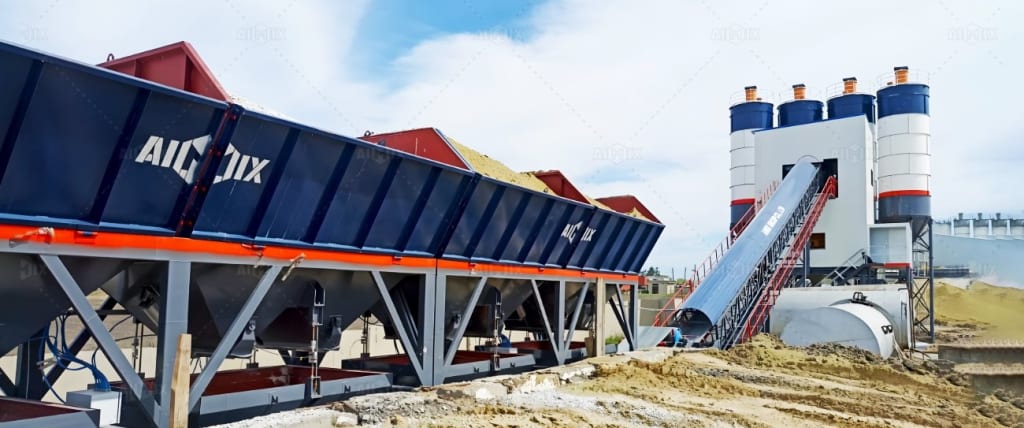
As infrastructure development accelerates across Asia, Africa, the Middle East, and Latin America, the demand for ready mix concrete plants has surged. These plants, which supply consistent and high-quality concrete for roads, buildings, and industrial projects, are becoming essential assets in the construction supply chain.
However, many contractors and developers are facing a common challenge: rising ready mix concrete plant price. In markets where cost-efficiency is paramount, even a 10–20% increase in equipment cost can impact budgets, project timelines, and investment decisions.
So what’s driving this price increase in emerging markets? The answer lies in a mix of global trends, local conditions, and technological shifts. Let’s explore the key factors behind the upward pricing pressure.
1. Global Inflation and Material Costs
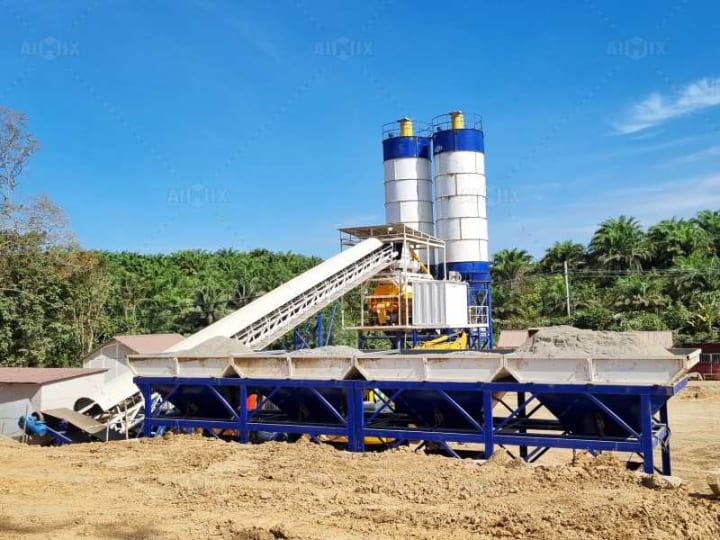
One of the most influential forces behind the rise in ready mix concrete plant prices is global inflation, especially related to raw materials. Batching plants rely heavily on components like:
Steel (for frames, mixers, silos, and hoppers)
Electrical systems and wiring
Hydraulic cylinders and motors
Control panels and automation tech
Over the past few years, steel prices have risen due to supply chain disruptions, geopolitical tensions, and energy cost hikes. As a result, manufacturers are passing these increased costs on to buyers—particularly in emerging markets where shipping and customs fees further inflate pricing.
Example:
In 2020, a mid-range 60 m³/h ready mix plant might have cost $60,000–$70,000. Today, the same plant could cost $75,000–$90,000, largely due to raw material inflation.
2. Currency Depreciation and Import Tariffs
Most ready mix concrete batching plant suppliers operate globally but manufacture equipment in countries like China, India, or Turkey. For buyers in developing markets, this creates a strong dependency on foreign exchange rates.
As local currencies depreciate against the U.S. dollar or euro, imported machinery becomes more expensive in local terms—even if the base USD price stays the same.
Additionally, import duties, VAT, and regulatory fees can significantly increase the landed cost. Governments may apply these charges to protect local manufacturing, but the result is a higher final price for buyers.
Case Study:
A supplier in Kenya importing a ready mix plant from China may pay an additional 15–30% in taxes and logistics fees, compared to a buyer in a free-trade region.
3. Technology Upgrades and Automation Features
While pricing has increased, so has the technological sophistication of modern ready mix concrete plants. Many suppliers now offer advanced features such as:
PLC control systems with touchscreen interfaces
Real-time production tracking and remote monitoring
Automated material weighing and loading systems
Energy-saving motors and mixers
Self-cleaning and washout systems
These upgrades improve efficiency, reduce manual errors, and shorten setup times—but they also add to the plant’s base price.
In markets where labor shortages and reliability issues are common, contractors are willing to pay more for high-tech solutions that reduce downtime and maintenance costs. In this sense, the price increase is often seen as a long-term investment.
4. Rising Local Demand and Limited Supply
Emerging markets are experiencing a construction boom. From housing developments and industrial parks to major infrastructure projects funded by government or international agencies, the need for reliable concrete supply is growing rapidly.
This rising demand has outpaced the rate at which suppliers can manufacture, ship, and install batching plants. As a result, lead times have increased, and prices have risen due to supply-demand imbalances.
Smaller or regional suppliers with limited production capacity may raise prices simply to manage backlog or control inventory, while larger global suppliers often prioritize clients in high-volume markets.
5. Shipping and Logistics Costs
Global logistics challenges continue to affect the pricing of industrial equipment. Factors include:
Increased container shipping rates
Port congestion in countries with poor infrastructure
Longer delivery times due to customs or regional instability
Fuel price hikes impacting inland transportation
All of these contribute to higher total landed costs for ready mix concrete plants, especially in landlocked or remote areas of emerging markets.
How Buyers Can Respond
While price increases may be unavoidable in the short term, smart buyers can still optimize value and control costs by:
Working with local or regional suppliers to reduce import fees
Choosing modular or mobile plants that require less foundation and setup time
Investing in scalable systems to start small and expand as demand grows
Negotiating package deals that include spare parts, training, and long-term support
Suppliers like Aimix, Luton Group, and ELKON offer competitive pricing and after-sales service networks in many emerging markets, making them attractive partners for cost-conscious buyers.
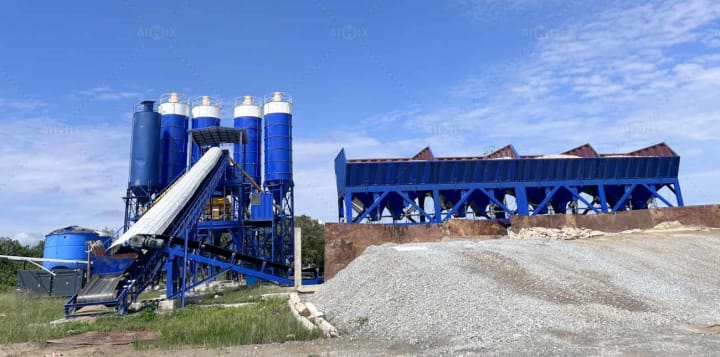
Conclusion: Rising Costs, Rising Expectations
The rise in ready mix concrete plant prices in emerging markets is the result of complex, interrelated factors—global economic trends, currency volatility, supply chain issues, and the push for automation.
However, these rising costs also reflect higher expectations from the market. Buyers today are not just purchasing machines; they are investing in productivity, reliability, and future scalability.
For contractors and developers navigating these market conditions, understanding what drives cost—and how to manage it strategically—is key to staying competitive and profitable.
About the Creator
consrtuctionmachines
AIMIX is a customer-center-oriented heavy equipment manufacturer and supplier, devoted to production, innovation, combination, one-stop solution, etc.
https://aimixgroup.com/
Keep reading
More stories from consrtuctionmachines and writers in 01 and other communities.
Mobile Jaw Crushers: Essential for Efficiency in Today’s Industrial Landscape
The utilization of mobile jaw crushers in contemporary industry extends far beyond mere material processing; it embodies a critical nexus of innovation and efficiency. These robust machines play a pivotal role in various sectors, including mining, construction, and recycling, showcasing a myriad of applications that enhance productivity and sustainability. In this article, we will delve into the multifaceted role of mobile jaw crushers, exploring their operational mechanics, the diverse industries they serve, and their contributions to environmental stewardship.
By consrtuctionmachines8 months ago in 01


Comments
There are no comments for this story
Be the first to respond and start the conversation.