
What Is the Size of a Small Concrete Mixture Pump?
Aimix concrete pump solution

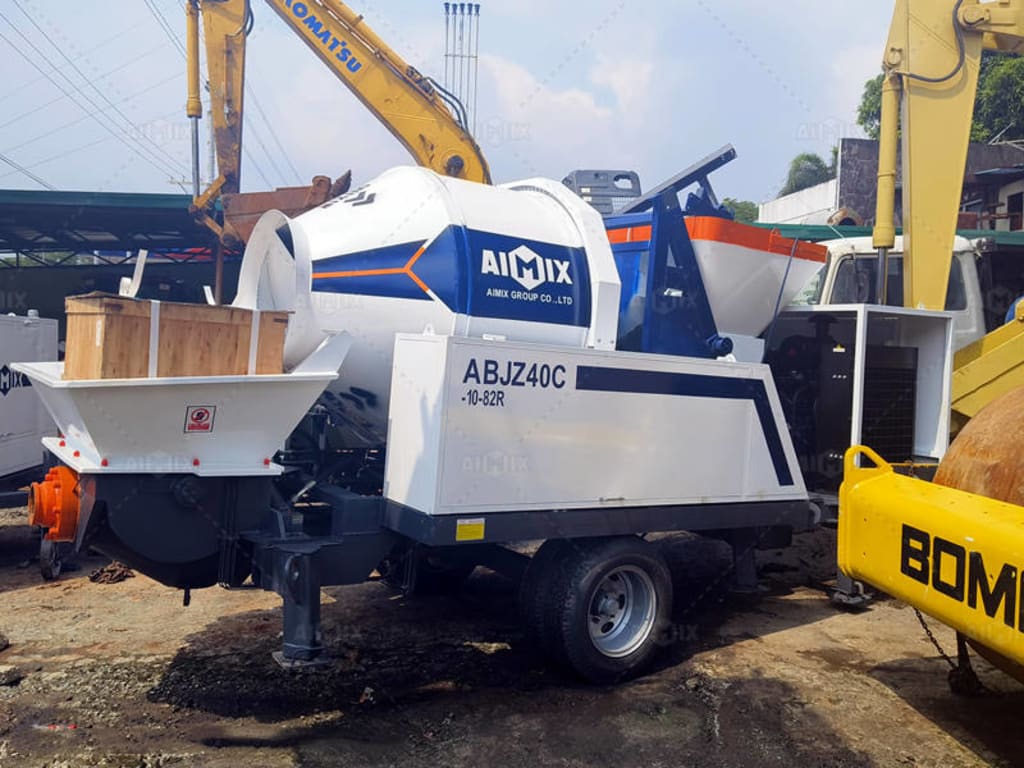
Small concrete mixture pumps are essential for construction projects where space is limited, mobility is crucial, and large-scale pumping equipment is impractical. These compact machines combine concrete mixing and pumping in a single unit, making them ideal for residential construction, landscaping, and small-scale commercial jobs.

This guide explores the size specifications of small concrete mixture pumps, including dimensions, weight, output capacity, and how their compact design compares to larger models. We’ll also discuss key factors influencing size selection and provide real-world application examples.
Defining a Small Concrete Mixture Pump
A small concrete mixture pump typically refers to a portable machine that:
Mixes concrete (either manually or with an onboard mixer).
Pumps concrete through a hose or pipeline.
Weighs under 3,000 kg (6,600 lbs).
Fits in tight spaces (narrow alleys, basements, backyards).
These pumps are commonly used for:
✔ Residential slabs & foundations
✔ Swimming pool construction
✔ Garden pathways & decorative concrete
✔ Repair work & grout injection
Standard Size Specifications
The size of a small concrete mixture pump varies by model, but most fall within these ranges:
A. Physical Dimensions
| Component | Size Range (Small Pumps) | Comparison to Large Pumps |
|-----------------------|----------------------------------|-----------------------------|
| Length | 2.5m – 4m (8.2ft – 13ft) | Large pumps: 6m+ (20ft+) |
| Width | 1m – 1.5m (3.3ft – 5ft) | Large pumps: 2.5m+ (8ft+) |
| Height | 1.5m – 2m (5ft – 6.5ft) | Large pumps: 3m+ (10ft+) |
| Hose Length | 10m – 50m (33ft – 165ft) | Large pumps: 100m+ (330ft+) |
Example Models:
Mini Electric Concrete Pump: 2.8m × 1.2m × 1.6m
Diesel Mixer-Pump Combo: 3.5m × 1.4m × 1.8m
B. Weight & Portability
Weight: 500kg – 3,000kg (1,100 – 6,600 lbs).
Mobility:
Some models have wheels or trailers for towing.
Others are skid-mounted (require forklift loading).
C. Output Capacity
Concrete Output: 10 – 30 m³/h (small concrete pumps) vs. 60 – 150 m³/h (large boom pumps).
Mixer Capacity: 200L – 500L per batch.
Key Factors Influencing Size
A. Power Source
Electric Pumps: Smaller, lighter (best for indoor use).
Diesel Pumps: Bulkier but more powerful (for remote sites).
B. Pumping Mechanism
Piston Pumps: Compact but higher pressure.
Screw Pumps (Auger): Wider due to mixing chamber.
C. Hose Diameter
Small pumps: 2" – 4" hose (narrower = more compact).
Large pumps: 5" – 8" hose.
Advantages of Small Size
✔ Fits in confined spaces (backyards, basements).
✔ Easier transport (fits on a small trailer).
✔ Lower fuel/power consumption.
✔ Faster setup time (under 30 minutes).
Limitations
✖ Lower output than large pumps.
✖ Shorter reach (hose length limits placement).
✖ Not ideal for high-rise projects.
How to Choose the Right Size
Step 1: Assess Project Needs
Small slabs? → 10m³/h pump.
Multi-story? → High-pressure mini pump.
Step 2: Check Access Routes
Narrow gates? → <1.2m width required.
Soft ground? → Lightweight (<1,500kg) preferred.
Step 3: Compare Fuel Efficiency
Electric: 5-10kW vs. Diesel: 15-30HP.
Real-World Applications
Home Foundations: 3m × 1m mini pump.
Tunnel Grouting: Ultra-compact 2.5m pump.
Small concrete mixture pumps range from 2.5m–4m long, weigh 500–3,000kg, and output 10–30 m³/h. Their compact size makes them perfect for residential and light commercial work where large pumps can’t operate.
Final Tip: Always measure job site access points before selecting a pump size. For tight spaces, consider mini electric models under 1.5m wide.
By matching pump size to project needs, contractors maximize efficiency while minimizing logistical headaches.

About the Creator
consrtuctionmachines
AIMIX is a customer-center-oriented heavy equipment manufacturer and supplier, devoted to production, innovation, combination, one-stop solution, etc.
https://aimixgroup.com/
Keep reading
More stories from consrtuctionmachines and writers in 01 and other communities.
Influence of Weighing Accuracy on Concrete Batching Plant Price and Quality
In the world of modern construction, precision and consistency are essential. Among the many factors that determine the efficiency and performance of a concrete batching plant, weighing accuracy stands out as a critical parameter. It directly influences both the price of the plant and the quality of the concrete it produces. While often overlooked, the accuracy of weighing systems is central to achieving cost-effective and high-performance concrete production.
By consrtuctionmachines10 months ago in 01
How Much Does an App Cost in St. Louis in 2026?
Determining how much an app costs in St. Louis in 2026 requires careful study. You must look beyond simple hourly rates. You must examine the intersection of Midwest economic stability. You must also look at aggressive technological shifts. For Missouri entrepreneurs, the price tag is a moving target. Established enterprises face this same reality. The cost depends on the complexity of the feature set. It depends on the chosen platform. Specific expertise of the development team also matters.
By Del Rosarioabout 21 hours ago in 01
The Enduring Appeal of Sports Pennants and Custom Team Flags
Sports fans around the world have always searched for meaningful ways to show their loyalty. From jerseys and scarves to stadium banners, fan culture thrives on visible symbols of support. Among the most iconic of these symbols are soccer club flags, soccer pennants, and custom-designed team banners that celebrate the passion of the game. These classic decorations have been part of sports traditions for generations, offering a unique way for fans, teams, and organizations to display their identity and pride.
By charliesamuela day ago in 01




Comments (1)
Small concrete mixture pumps are really handy for tight spaces. I've used them for small residential jobs. Their size makes them easy to move around. But I wonder, how do they compare in terms of efficiency when it comes to larger projects? And what's the best way to maintain their output capacity over time?