
Influence of Weighing Accuracy on Concrete Batching Plant Price and Quality
Why precision weighing systems in concrete batching plants are worth the investment for better mix quality, reduced waste, and long-term cost savings.

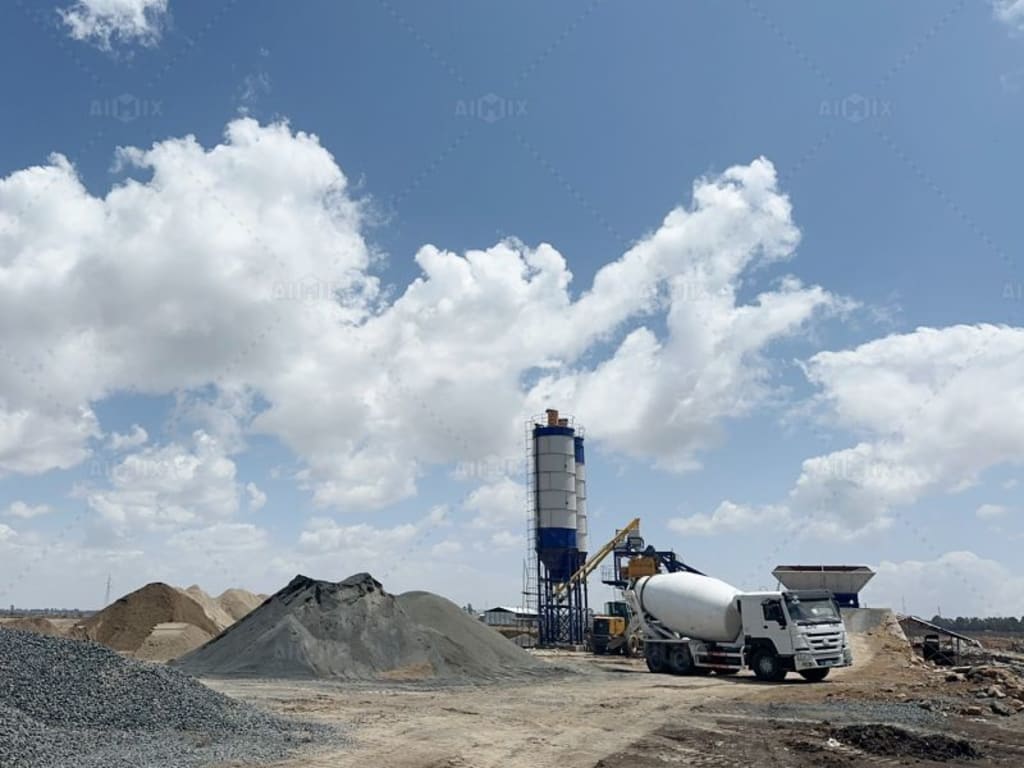
In the world of modern construction, precision and consistency are essential. Among the many factors that determine the efficiency and performance of a concrete batching plant, weighing accuracy stands out as a critical parameter. It directly influences both the price of the plant and the quality of the concrete it produces. While often overlooked, the accuracy of weighing systems is central to achieving cost-effective and high-performance concrete production.
This article explores the relationship between weighing accuracy, concrete batching plant price, and final product quality, helping buyers and project managers understand why this feature matters.
Understanding Weighing Accuracy in Batching Plants
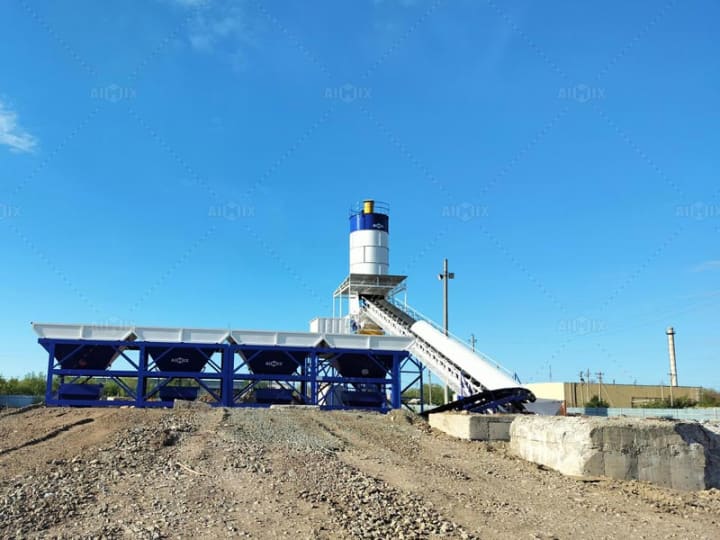
A concrete batching plant measures and combines several raw materials—including cement, water, sand, aggregates, and additives—according to a specific mix design. The weighing process involves load cells and digital scales, which measure each component before mixing.
Weighing accuracy refers to the plant’s ability to measure each ingredient within a small margin of error, typically expressed as a percentage (e.g., ±0.5%). Greater accuracy means ingredients are dispensed closer to the exact quantity required.
Why Weighing Accuracy Affects Concrete Quality
1. Consistency in Mix Design
Concrete strength, workability, and durability all depend on the precise ratios of its components. If a batching plant inaccurately measures cement or water, even by a few kilograms, it can alter:
Water-cement ratio,
Slump value (workability), and
Final compressive strength.
Consistent weighing accuracy ensures uniform batches, which is especially critical for structural concrete used in bridges, high-rises, and highways.
2. Reduced Risk of Structural Failure
Overuse of water can weaken concrete, while overuse of cement increases costs without significant benefit. Inaccurate weighing may lead to substandard concrete, increasing the risk of cracking, spalling, or even structural failure. For large-scale or critical infrastructure projects, this can result in legal liability and costly repairs.
3. Minimized Material Waste
Inaccurate batching can cause frequent re-mixing or rejected batches, leading to wastage of raw materials and project delays. Weighing precision ensures optimal usage of every kilogram of input material, lowering costs and enhancing project efficiency.
How Weighing Accuracy Impacts Batching Plant Price
1. Cost of High-Precision Load Cells and Controllers
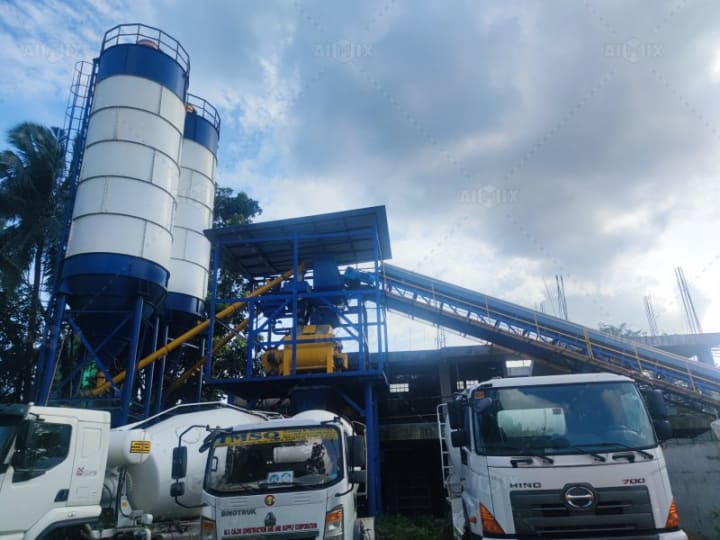
Batching plants with superior weighing systems use high-grade load cells, digital indicators, and advanced calibration software. These components cost more to manufacture and integrate, leading to a higher initial price for the plant. However, this cost is often justified by improved performance and long-term savings.
For example:
A standard batching plant with ±2% weighing accuracy may cost less upfront.
A high-precision plant with ±0.5% accuracy will cost more but produce better quality concrete and lower long-term material costs.
2. Automated Control Systems
Accurate weighing relies on automated control systems that detect minor deviations and adjust the feeding mechanisms in real time. Plants equipped with programmable logic controllers (PLCs), touchscreens, and real-time data logging generally cost more. These systems also reduce human error, ensuring more reliable operations.
3. Maintenance and Calibration Requirements
High-accuracy batching plants typically come with automated calibration features and self-diagnostic tools, which reduce maintenance downtime and ensure long-term performance. These add to the purchase price but lower operational and labor costs over time.
Striking the Right Balance: Cost vs. Benefit
When selecting a concrete batching plant, weighing accuracy should not be viewed in isolation. Instead, it should be evaluated in terms of:
Project size and concrete volume required,
Type of construction (e.g., residential, commercial, infrastructure),
Cost of raw materials, and
Quality standards or certifications needed (e.g., ISO, ASTM, EN206).
For small-scale projects with low concrete volume and minimal quality requirements, basic accuracy may suffice. However, for high-volume commercial projects or government contracts, investing in a high-accuracy plant ensures superior returns through:
Reduced material waste,
Higher quality output,
Faster project delivery, and
Fewer structural issues.
Real-World Example
A contractor working on a precast concrete project switched from a standard ±2% plant to a high-precision ±0.5% plant. Over a 6-month period, the improved accuracy:
Reduced cement usage by 8%, saving thousands in material costs,
Decreased rejected batches by 40%,
Improved compressive strength consistency across precast panels, and
Allowed the contractor to secure additional contracts based on performance.
This case illustrates how investing in accurate weighing systems directly supports profitability, reputation, and compliance.
Conclusion
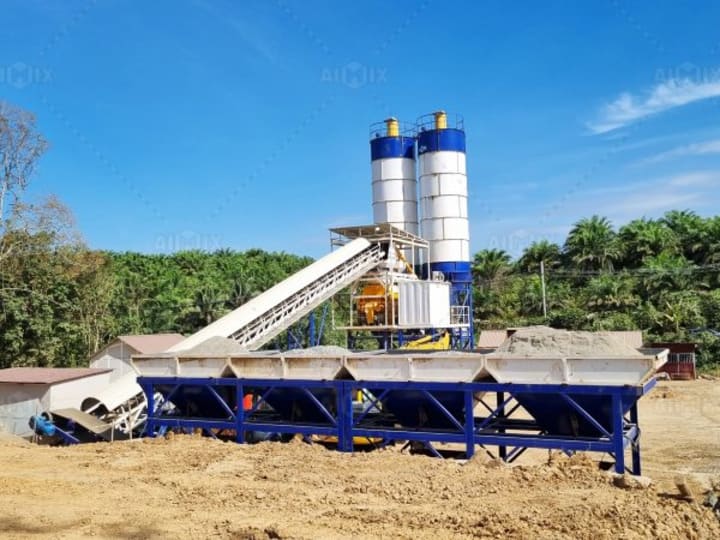
The weighing accuracy of a concrete batching plant is a key factor that affects both plant pricing and concrete quality. While high-accuracy systems come with a higher upfront cost, the long-term benefits—such as improved consistency, lower material waste, and fewer structural risks—make them a smart investment for most construction businesses.
As sustainability, quality assurance, and cost control become more important in modern construction, choosing a concrete batching plant with accurate weighing systems is no longer optional—it’s essential.
About the Creator
consrtuctionmachines
AIMIX is a customer-center-oriented heavy equipment manufacturer and supplier, devoted to production, innovation, combination, one-stop solution, etc.
https://aimixgroup.com/
Keep reading
More stories from consrtuctionmachines and writers in 01 and other communities.
Fast and Efficient Discharge in Concrete Self Loading Mixer
Efficient discharge in a concrete self-loading mixer is vital for ensuring smooth and quick operations at construction sites. With the fast-paced nature of modern construction, every minute counts. A well-designed concrete self loading mixer machine helps streamline the mixing and pouring process, minimizing downtime and enhancing productivity. In this article, we’ll explore why discharge speed is so crucial, the features that influence it, and tips on maximizing its efficiency.
By consrtuctionmachines8 months ago in 01
How Can Kaito Project Marketing Guide Community Decision-Making in 2026?
By 2026, community decision-making has become one of the most critical determinants of success for decentralized projects. As protocols scale and governance participation widens, the ability of communities to interpret information, evaluate trade-offs, and act collectively has taken center stage. Kaito, as an intelligence-driven platform that aggregates, structures, and contextualizes crypto discourse, plays a pivotal role in shaping how decisions are formed rather than merely how opinions spread.
By Jack santo8 days ago in 01
Five Steps to Turn Prospects into Lifetime Customers
Introduction Every business owner knows that acquiring new customers costs significantly more than retaining existing ones. Studies consistently show that it's five to twenty-five times more expensive to attract a new customer than to keep a current one. Yet many businesses focus their energy and resources almost exclusively on customer acquisition, treating each sale as a one-time transaction rather than the beginning of a potentially lifelong relationship.
By Start My Business4 days ago in 01



Comments
There are no comments for this story
Be the first to respond and start the conversation.