
What Is the Metaverse, and How Does Crypto Play a Role?
By Jay Phoenix
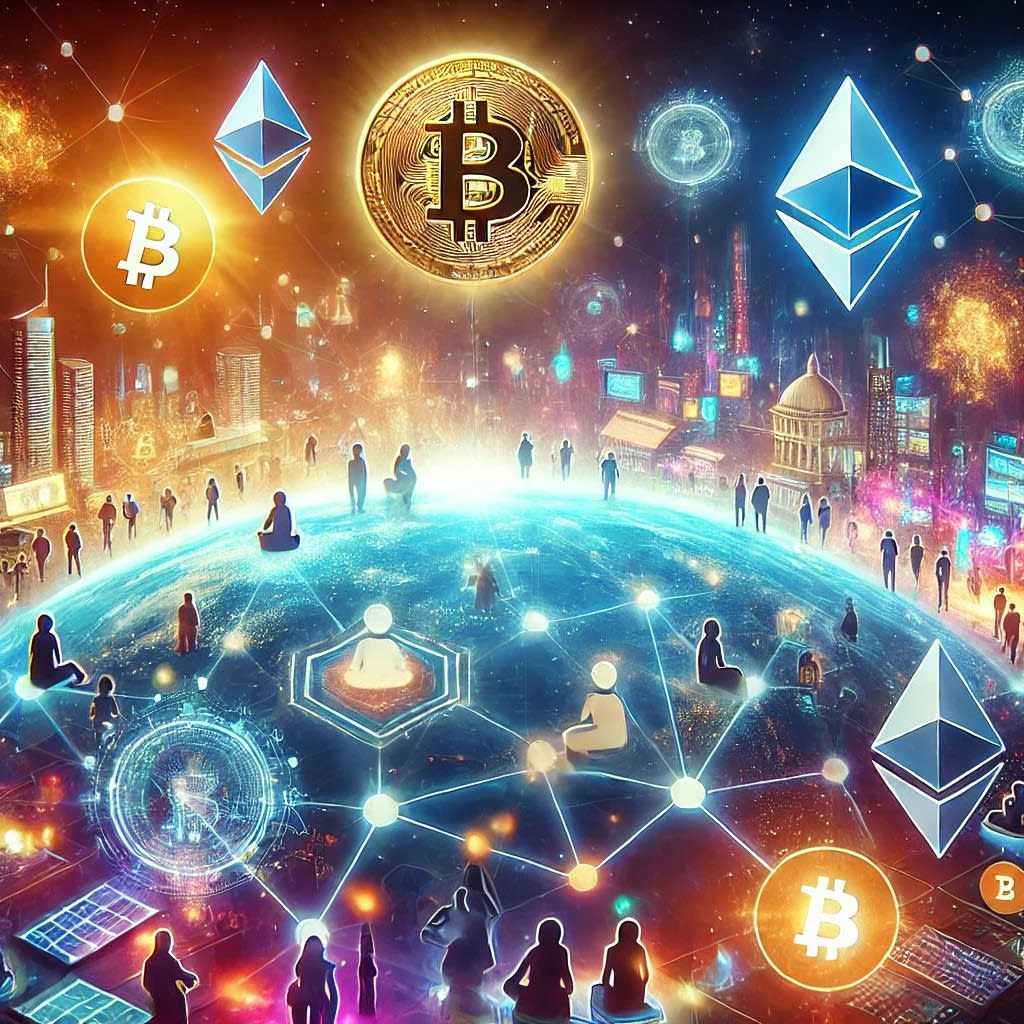
Imagine stepping into a virtual world where you can work, play, shop, and socialize without leaving your home. This is the essence of the metaverse—a futuristic digital realm blending augmented reality (AR), virtual reality (VR), and blockchain technology. While the concept of the metaverse has been around for decades, cryptocurrencies are now playing a pivotal role in turning it into reality.
In this article, we’ll explore what the metaverse is, why it’s gaining traction, and how cryptocurrencies are integral to its development.
What Is the Metaverse?
The metaverse is a virtual, interconnected universe where users can interact with digital environments and each other in real-time. Think of it as an immersive version of the internet, where physical and digital realities merge. The term "metaverse" was popularized by Neal Stephenson in his 1992 novel Snow Crash, but today it’s no longer science fiction—it’s becoming a reality.
Key Features of the Metaverse:
Immersive Experiences:
Using VR and AR, users can explore lifelike digital spaces.
Interoperability:
Multiple virtual worlds within the metaverse are interconnected, allowing seamless movement between them.
Persistent Worlds:
The metaverse continues to evolve even when users log off, creating dynamic environments.
Social Interactions:
Users can connect, collaborate, and socialize in virtual spaces.
Digital Economies:
The metaverse has its own economies, powered by cryptocurrencies and blockchain technology.
Why Is the Metaverse Gaining Popularity?
The metaverse has become a buzzword thanks to advancements in technology and increased interest from major companies. Tech giants like Meta (formerly Facebook), Microsoft, and Nvidia are heavily investing in metaverse development, while blockchain-based platforms like Decentraland and The Sandbox are already operational.
Reasons for Its Growing Popularity:
Pandemic Acceleration:
COVID-19 shifted work, education, and entertainment online, making virtual spaces more relevant.
Technological Advancements:
Improved VR headsets, faster internet, and blockchain innovation make immersive experiences feasible.
New Business Opportunities:
From virtual real estate to digital fashion, the metaverse offers untapped revenue streams.
Cultural Shift:
Younger generations are embracing digital identities and virtual goods through gaming and social media.
How Does Cryptocurrency Power the Metaverse?
Cryptocurrencies and blockchain technology are the backbone of the metaverse, enabling decentralized ownership, transactions, and governance. Here’s how they fit into the picture:
Digital Currency:
Cryptocurrencies like Ethereum (ETH), Decentraland (MANA), and The Sandbox (SAND) are used for transactions within the metaverse.
Example: Buying virtual land, clothing for avatars, or in-game items.
Ownership Through NFTs:
Non-fungible tokens (NFTs) represent unique digital assets like art, real estate, or collectibles.
Example: In Decentraland, users buy virtual plots of land as NFTs, proving ownership on the blockchain.
Smart Contracts:
These self-executing contracts facilitate transactions and agreements in the metaverse without intermediaries.
Example: Renting virtual spaces or transferring digital goods.
Decentralized Governance:
Many metaverse platforms operate as Decentralized Autonomous Organizations (DAOs), where token holders vote on platform decisions.
Example: Community members deciding on rules or features for a virtual world.
Play-to-Earn Models:
Blockchain games like Axie Infinity allow users to earn cryptocurrency by participating in the metaverse economy.
Example: Players earning tokens by completing tasks or competing in virtual battles.
Real-World Applications of the Metaverse
The metaverse isn’t just about gaming or entertainment. It has the potential to impact various industries, including:
Real Estate:
Users can buy, sell, and develop virtual land in platforms like The Sandbox and Decentraland.
Companies are using virtual spaces for branding and events.
Education:
Virtual classrooms and immersive training programs are becoming increasingly popular.
Example: Medical students practicing surgeries in a simulated environment.
E-Commerce:
Brands like Nike and Gucci are launching virtual stores where users can buy digital and physical goods.
Social Networking:
Virtual hangout spaces like Horizon Worlds and VRChat are redefining how we connect online.
Work:
Companies are hosting virtual meetings and conferences in the metaverse, creating new ways to collaborate.
Challenges Facing the Metaverse
While the metaverse holds immense promise, it also faces several challenges:
High Entry Costs:
VR equipment and powerful computers can be expensive.
Privacy Concerns:
The metaverse collects vast amounts of data, raising concerns about user privacy.
Scalability Issues:
Current blockchain networks face limitations in handling massive user interactions simultaneously.
Regulation:
Governments are still figuring out how to regulate virtual economies and digital assets.
Digital Divide:
Access to the metaverse is limited for those without reliable internet or modern devices.
The Future of the Metaverse and Crypto
The integration of cryptocurrencies into the metaverse is just the beginning. As the technology evolves, we can expect:
Interoperability:
Seamless movement of assets and identities across different virtual worlds.
Enhanced User Experiences:
Advancements in VR and AR will make metaverse interactions more immersive.
Mainstream Adoption:
More industries and individuals will embrace the metaverse for work, entertainment, and socializing.
Sustainability Improvements:
Efforts to make blockchain networks eco-friendly will reduce the environmental impact of metaverse activities.
Final Thoughts
The metaverse represents a paradigm shift in how we interact with the digital world, and cryptocurrencies are at the heart of this transformation. By enabling decentralized economies, digital ownership, and innovative business models, crypto is turning the metaverse from a concept into a reality.
As the metaverse grows, so will the opportunities for innovation and investment. Whether you’re a gamer, an investor, or simply curious about the future, now is the time to explore this exciting new frontier.
About the Creator
Keep reading
More stories from Jay Phoenix and writers in 01 and other communities.
Crypto Regulation: How It Could Impact Your Investments
Cryptocurrency has taken the world by storm, evolving from a niche experiment to a multi-trillion-dollar market. But with its rapid growth comes a critical question: how will governments regulate it? Crypto regulation is a hot topic, and its implications for investors are profound. Whether you’re a seasoned trader or just starting out, understanding how regulation could shape the future of your investments is essential.
By Jay Phoenixabout a year ago in 01




Comments
There are no comments for this story
Be the first to respond and start the conversation.