
Is Social Media Really the Villain?
Meta Says the Science Isn’t So Simple

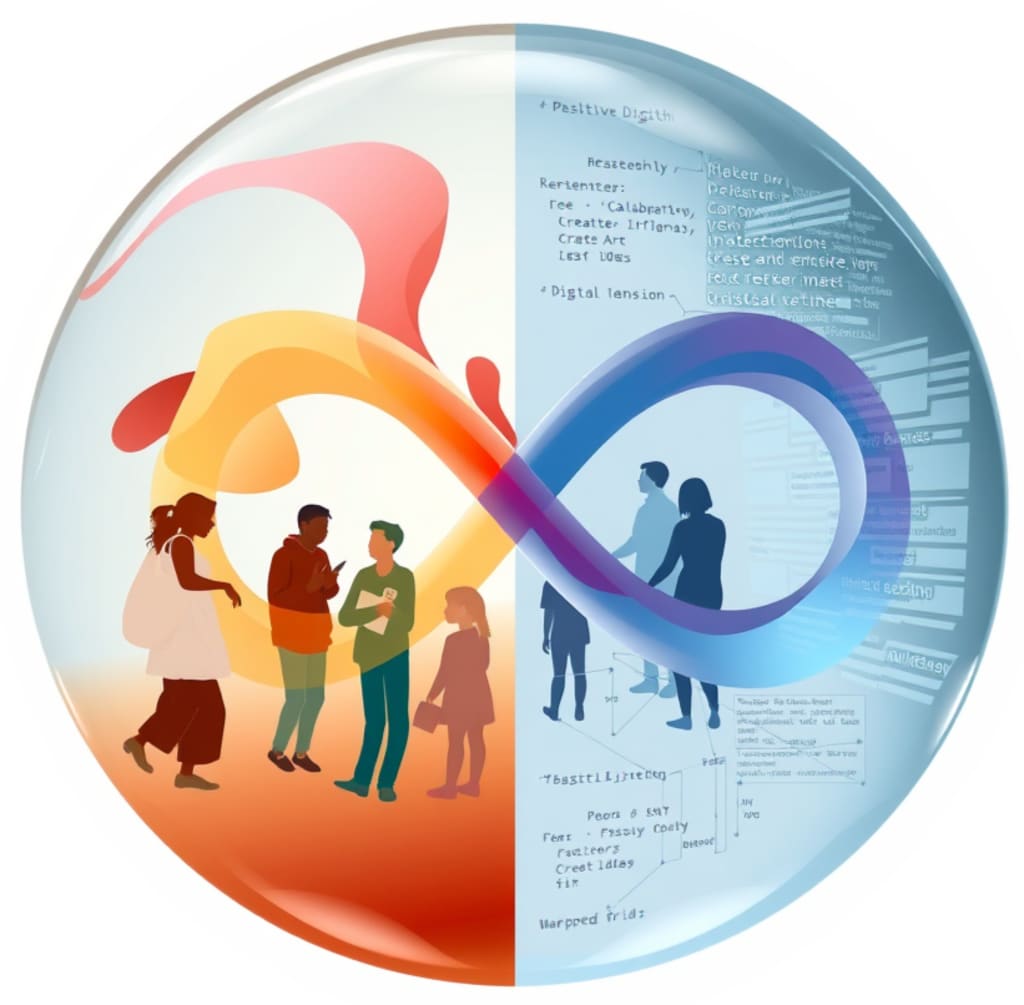
For years now, social media has been cast as the main culprit behind rising mental health issues among teens and young adults. Anxiety? Blame Instagram. Loneliness? TikTok. Depression? Must be the algorithm.
However, according to Meta, that story doesn’t actually align with the science.
In a recent response to lawsuits and growing political pressure around teen social media bans, Meta pushed back hard on the idea that social platforms alone are responsible for youth mental health struggles. And whether you love or hate Meta, the conversation they’re forcing is one we probably need to have.
Because the reality is more complicated than a single villain.
Mental Health Isn’t a One-Variable Equation
Meta’s core argument is simple: mental health is complex, and boiling it down to “social media = bad” ignores a whole ecosystem of stressors young people deal with daily.
According to Meta:
Mental health challenges are influenced by academic pressure, school safety concerns, economic stress, substance abuse, family dynamics, and more. Focusing on just one factor oversimplifies a serious issue.
And they’re not wrong.
Anyone between 18 and 35 knows this firsthand. Social pressure didn’t suddenly appear with Instagram; it just became more visible.
Burnout, comparison culture, financial stress, and loneliness existed long before social feeds. Social media didn’t invent these problems, but it did amplify them in ways we’re still learning how to manage.
The Lawsuits, the Leaks, and the Public Narrative
Much of the backlash against Meta stems from reports claiming the company ignored internal research linking its platforms to teen mental health harms, prioritizing growth over well-being.
Meta denies this, saying that its internal documents have been selectively quoted to paint a misleading picture. According to the company, those same records actually show years of research, safety investments, and collaboration with parents, academics, and mental health experts.
Whether you believe Meta or not, one thing is clear: public trust in social media companies is at an all-time low, and that skepticism isn’t going away anytime soon.
Are Teen Social Media Meta Bans Actually Working?
Several countries have experimented with outright bans or strict age-based restrictions. Australia is currently running the largest real-world test, banning users under 16 from major social platforms.
The outcome so far? Predictable.
Despite hundreds of thousands of teen accounts being removed, most teens have already found workarounds: new accounts, borrowed credentials, or alternative platforms. The internet didn’t disappear. It just rerouted.
The idea that we can “turn back the clock” and get young people to abandon online connections altogether isn’t realistic. Digital spaces are now embedded into how friendships, creativity, learning, and identity formation work.
You can’t delete that with legislation.
Social Media Isn’t All Bad (And the Science Agrees)
Digital scale with people, symbols, and text bubbles on colorful background; concepts balance between communication and technology.
Here’s where things get interesting.
Even the 2024 National Academies of Sciences report, often cited by critics, acknowledges that social media has both risks and benefits.
Yes, certain features can cause harm:
- Algorithm-driven content loops
- Unrealistic comparisons
- Exposure to harmful or misleading content
But the same report also highlights real positives:
- Community for marginalized or isolated users
- Creative expression
- Joy, entertainment, and connection for most people
The takeaway? Social media isn’t inherently harmful; it’s how it’s designed and used that matters.
So What’s the Real Solution?
If bans don’t work and denial doesn’t help, what does?
The answer isn’t fewer connections, it’s better connections.
That means:
- Smarter platform design
- Stronger privacy protections
- More user control
- Better digital literacy
Fewer incentives built around addiction, comparison, and performance
Social media isn’t going away. The question is whether it evolves—or keeps repeating the same mistakes.
Why This Matters to Us
People, especially young adults, don’t need fewer ways to connect. They need healthier, more intentional ones.
The science doesn’t say “burn it all down.”It says: do it better.
And that’s the challenge the next generation of platforms has to rise to.
About the Creator
Socialode
We are a mobile app team working for the past year on creating a platform that allows users to connect with people while protecting their privacy. Our goal is to fix the world of social media.
www.socialode.com
JD Vance: ‘despicable toady for Trump’ – and 2028 candidate in all but name
JD Vance has moved quickly from outsider to one of the most influential figures in American politics. As vice president, he has positioned himself as Donald Trump’s most aggressive defender while quietly building a future of his own. Publicly, he presents loyalty. Privately, many see preparation.
By Dena Falken Esq2 days ago in 01


Comments
There are no comments for this story
Be the first to respond and start the conversation.