
What is a sitemap, and why is it significant for SEO?
Sitemap for SEO

Introduction
In the digital era, where online visibility is crucial for businesses, search engine optimization (SEO) plays a vital role in driving organic traffic. One of the essential tools for optimizing a website's visibility is a sitemap. In this article, we will explore what a sitemap is and why it is important for SEO. We will also delve into the significance of sitemaps for digital marketing services and SEO services.
Definition and Purpose of a Sitemap
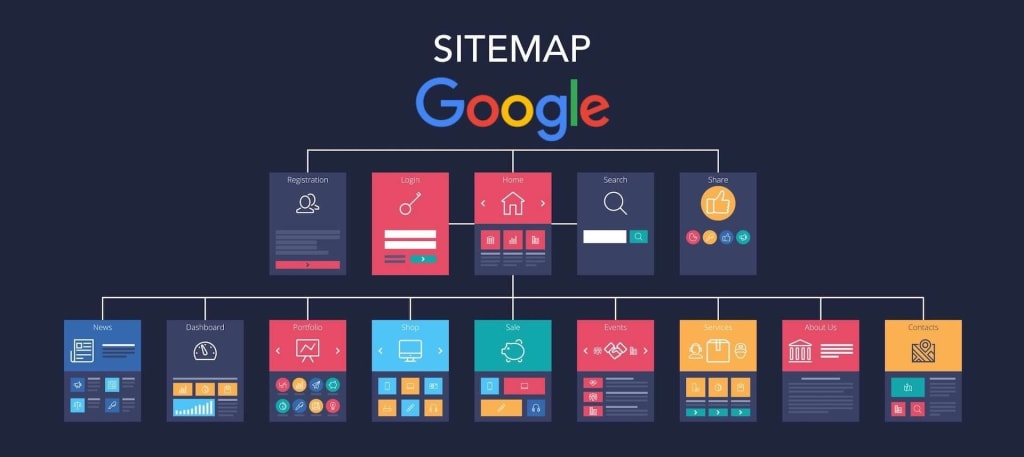
A sitemap is a file that lists all the pages of a website, providing valuable information to search engines. It serves as a roadmap for search engine crawlers, helping them navigate and understand the structure of a website. The primary purpose of a sitemap is to ensure that search engines can index all relevant pages effectively. By including important URLs, last modification dates, and priority information, sitemaps guide search engines in discovering and ranking webpages accurately.
Types of Sitemaps
XML Sitemap
A sitemap in XML format is created especially for search engines. It provides crucial information about each webpage, such as its URL, last modification date, and priority. XML sitemaps help search engine crawlers understand the structure of a website and ensure comprehensive indexing.
HTML Sitemap
In contrast to XML sitemaps, HTML sitemaps are created for website visitors. They are user-friendly and allow visitors to navigate a website and find specific content easily. HTML sitemaps enhance the user experience by providing a clear overview of the website's structure and improving accessibility.
Image and Video Sitemaps
For websites that feature multimedia content, specialized sitemaps for images and videos are essential. Image sitemaps provide search engines with information about the images on a website, including titles, captions, and relevant metadata. Video sitemaps serve a similar purpose but focus on video content, helping search engines index and display video results accurately.
Benefits of Using Sitemaps
Using sitemaps offers several benefits for SEO and website optimization:
Improved Crawling and Indexing:
Sitemaps help search engines crawl and index webpages more efficiently, ensuring that all relevant pages are included in search results.
Better Visibility in Search Results:
When search engines have a clear understanding of a website's structure through sitemaps, it increases the chances of relevant pages appearing in search results.
Enhanced User Experience:
HTML sitemaps facilitate website navigation, allowing users to find content quickly and easily. This improves user satisfaction and engagement.
Accurate Page Prioritization:
By assigning priority values in XML sitemaps, website owners can indicate the relative importance of different pages, guiding search engines to prioritize crawling and indexing accordingly.
Sitemaps and SEO
Sitemaps and SEO are closely intertwined. A well-structured and optimized sitemap contributes significantly to SEO efforts. Here's how sitemaps impact SEO:
Improved Crawling and Indexing:
Sitemaps provide search engine crawlers with a comprehensive view of a website's structure and help them discover and index pages more efficiently. Better visibility in search results is the outcome of this.
Enhanced Keyword Targeting:
By including important pages and relevant keywords in the sitemap, website owners can guide search engines to prioritize crawling and indexing of high-value content.
Faster Indexing of New Content:
Sitemaps expedite the indexing process for new or updated pages, ensuring that the latest content appears in search results promptly.
Identification of Duplicate Content:
Sitemaps can help identify duplicate content issues by listing all URLs. This allows website owners to take corrective actions to avoid duplicate content penalties.
Importance of Sitemaps for Digital Marketing Services
Digital marketing services rely on effective SEO strategies to increase online visibility and drive organic traffic. Sitemaps play a crucial role in digital marketing by:
Ensuring Comprehensive Website Indexing:
Sitemaps help search engines discover all relevant pages of a website, ensuring that digital marketing efforts reach a wider audience.
Facilitating Keyword Targeting:
By including keyword-rich URLs in sitemaps, digital marketers can guide search engines to crawl and index pages with targeted keywords, increasing the chances of appearing in relevant search queries.
Supporting Content Marketing Efforts:
Sitemaps aid in content marketing by assisting search engines in finding and indexing valuable content, allowing digital marketers to showcase their expertise and attract potential customers.
Importance of Sitemaps for SEO Service
SEO service aim to optimize websites for higher search engine rankings and improved organic visibility. Sitemaps are vital for SEO services because they:
Aid in Website Audit:
SEO professionals use sitemaps to assess a website's structure, identify missing or poorly optimized pages, and recommend improvements.
Enhance Website Indexing:
By submitting sitemaps to search engines, SEO services ensure that all relevant pages are indexed, leading to better organic visibility.
Assist in Identifying Crawling Issues:
Sitemaps help SEO experts identify crawling issues, such as broken links or inaccessible pages, enabling them to take corrective actions and improve website performance.
Enable Efficient Reporting:
SEO services utilize sitemaps to monitor changes in website indexing, identify indexing errors, and provide accurate reports on website visibility and performance.
How to Create a Sitemap
Creating a sitemap is a straightforward process that involves the following steps:
Understand Website Structure:
Analyze the website's structure to identify all important pages and their hierarchy.
Choose the Sitemap Format:
Decide whether an XML sitemap, HTML sitemap, or specialized sitemap for images/videos is required.
Generate the Sitemap:
Utilize sitemap generator tools or content management system (CMS) plugins to automatically generate the sitemap.
Validate the Sitemap:
Use validation tools to ensure that the sitemap is error-free and adheres to the required format.
Include the Sitemap on the Website: Place the sitemap file in the website's root directory or upload it using Google Search Console or other webmaster tools.
Submitting a Sitemap to Search Engines
After creating a sitemap, it is essential to submit it to search engines for proper indexing. Here's how to submit a sitemap:
Google:
Use Google Search Console to add and verify your website. Then, submit the sitemap through the "Sitemaps" section.
Bing:
Sign in to Bing Webmaster Tools, add your website, and submit the sitemap through the "Sitemaps" feature.
Other Search Engines:
Consult the respective webmaster tools or documentation of other search engines to find the sitemap submission process.
Sitemaps for Large Websites
For large websites with numerous pages and complex structures, additional considerations should be taken into account when creating sitemaps:
Splitting Sitemaps:
Divide the sitemap into multiple smaller files to manage the size and ensure ease of crawling and indexing.
Sitemap Index File:
Create a sitemap index file that references all the individual sitemaps, providing a centralized structure for search engines to navigate.
Best Practices for Sitemaps
To optimize the effectiveness of sitemaps, follow these best practices:
Keep Sitemaps Up-to-Date:
Regularly update the sitemap to reflect changes in website structure, content, and URL changes.
Ensure Proper URL Inclusion:
Include only relevant URLs in the sitemap, omitting duplicates, non-indexable pages, or URLs with low importance.
Utilize Schema Markup:
Implement schema markup in sitemaps to provide additional context and information about the content on webpages.
Compress Sitemap Files:
Compress sitemap files (especially XML sitemaps) to reduce file size and enhance crawling efficiency.
Monitor and Fix Errors:
Regularly monitor the sitemap's performance, identify errors, such as broken links or pages with crawl issues, and take necessary corrective actions.
Common Mistakes to Avoid
When creating and implementing sitemaps, it is essential to avoid the following common mistakes:
Missing Pages:
Ensure that all relevant pages are included in the sitemap and that there are no missing pages.
Broken Links:
Check for broken links within the sitemap and fix them promptly.
Incomplete Sitemaps:
Verify that the sitemap is complete and includes all important URLs.
Incorrect URL Formats:
Use correct URL formats and avoid using session IDs, unnecessary parameters, or dynamic URLs in the sitemap.
Ignoring Updates:
Regularly update the sitemap to reflect changes in website structure and content.
Monitoring and Updating Sitemaps
Monitoring and updating sitemaps is crucial for maintaining optimal website visibility. Regularly perform the following tasks:
Monitor Indexing Status:
Use webmaster tools to track the indexing status of pages included in the sitemap.
Check for Errors:
Monitor for any errors or warnings reported by search engines related to the sitemap.
Analyze Crawl Data:
Analyze crawl data and search engine logs to identify crawling and indexing issues and take corrective actions.
Update Sitemaps:
Update the sitemap whenever there are changes to the website structure, content, or URLs.
Conclusion
In conclusion, a sitemap plays a significant role in optimizing a website's visibility and improving SEO performance. By providing a clear roadmap to search engines, sitemaps enhance crawling and indexing, leading to better organic rankings and increased online visibility. For digital marketing services, sitemaps ensure comprehensive website indexing, facilitate keyword targeting, and support content marketing efforts. Similarly, for SEO services, sitemaps aid in website audit, enhance indexing, and assist in identifying crawling issues. By following best practices, avoiding common mistakes, and regularly monitoring and updating sitemaps, website owners and digital marketers can maximize the benefits of sitemaps and boost their SEO efforts.
About the Creator
Vaibhav Pandya
Vaibhav Pandya is the Chief Operating Officer (COO) and Senior Contributing Editor at IndyLogix - Digital Marketing Agency, where he has spent 9+ years growing the organization and establishing it as a credible market leader.
Keep reading
More stories from Vaibhav Pandya and writers in 01 and other communities.
How to Plan a Social Media Content Calendar in the Second Half of 2023
In today's digital age, having a strong presence on social media is essential for businesses to thrive. To effectively manage your social media presence and ensure consistent engagement with your target audience, planning and organising your content in advance is crucial. In this article, we will guide you through the process of creating a social media content calendar for the second half of 2023. We will cover everything from setting goals and researching your audience to content creation and tracking performance. Additionally, we will explore the benefits of outsourcing social media management to a digital marketing agency. So, let's dive in and discover how to plan a successful social media content calendar.
By Vaibhav Pandya3 years ago in 01
Mobile App Development Native vs Hybrid 2026
The Google ecosystem has shifted from indexing surfaces to validating underlying technical architectures as core Entity Signals. This tectonic movement means your choice between native and hybrid code now directly dictates your risk exposure within the Trust Graph.
By Del Rosario4 days ago in 01
Light Builder Waste Skip Bins: Convenient Solutions for Small Projects
Whether you’re renovating your home, cleaning out a small construction site, or completing a DIY project, managing light building waste efficiently is essential. Light builder waste skip bins provide an easy, safe, and environmentally friendly way to dispose of debris without hassle. In this blog, we’ll explore the benefits of light builder waste skip bins, how to choose the right size, and tips for using them effectively.
By Sydney Skip Bins4 days ago in 01
Thoughts on Vocal and the way the world is
"Death cannot stop true love, only delay it." – Wesley in The Princess Bride. I decided to come back to Vocal on a very cold and dark night at the end of December. I had been, and still am, convalescing from a horrible staph infection that had gone misdiagnosed for months. This, paired with the increasing challenges of being healthy, making the best choices for my co-parented child, being a wife, and being a director at a new job, was a lot to manage.
By Jazzy 7 days ago in Confessions




Comments
There are no comments for this story
Be the first to respond and start the conversation.