
What Factors Influence Cost of Concrete Pump Stationary Shipment
Aimix Concrete Pumping Solution

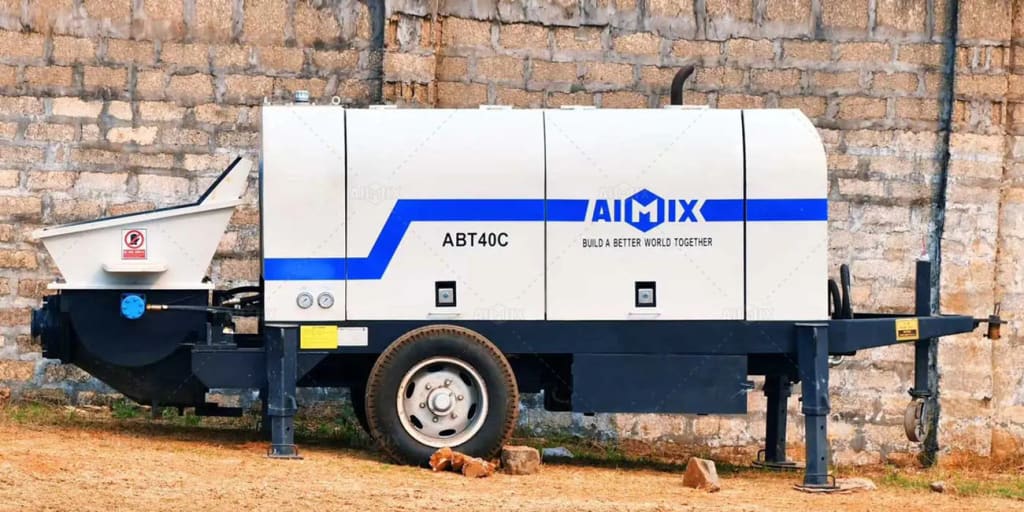
When planning to buy and transport a stationary concrete pump, one of the main considerations that every contractor or project manager faces is the cost of concrete pump shipment. The shipping process for a stationary model is more complicated than for smaller, portable versions, as it involves heavy machinery, specialized packaging, and careful logistics management to ensure the equipment arrives safely at its destination. Since the stationary type is widely used in large-scale construction projects like bridges, tunnels, and high-rise buildings, understanding what influences its shipment cost can help buyers budget more effectively, avoid hidden expenses, and make informed purchasing decisions.
Distance and Transportation Route
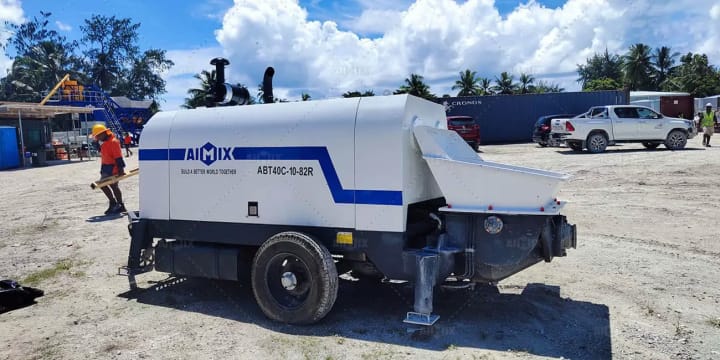
The first and most direct factor that affects the cost of concrete pump shipment is the distance between the manufacturer’s factory and the final destination. Longer distances naturally require more fuel, more time, and often multiple modes of transportation such as sea freight, rail, or road trucking. For instance, if the stationary concrete pump is manufactured in China and shipped to a project site in Africa or South America, the overall cost will be significantly higher than domestic transport due to international freight charges, port fees, and customs duties. Additionally, the route taken plays a crucial role—certain countries have better port facilities or road infrastructure, while others require special handling or additional documentation to pass through border inspections, all of which can raise transportation expenses.
Equipment Weight and Dimensions
The second major factor influencing the cost of concrete pump shipment is the size and weight of the equipment. A stationary concrete pump typically has a heavy-duty steel frame, hydraulic system, and motor that can weigh several tons depending on the model and output capacity. Shipping companies usually charge freight based on weight and volume, so a larger and heavier pump naturally costs more to transport. Furthermore, some high-capacity models may exceed standard container dimensions, requiring special packaging such as open-top or flat-rack containers. These non-standard options are more expensive but necessary to protect the machine during long-distance travel. Proper packaging also ensures that critical parts like cylinders, hoses, and control panels are not damaged during transit.
Packaging and Protection Requirements
Packaging plays an essential role in determining the cost of concrete pump shipment. The stationary concrete pump is a precision machine with complex hydraulic and electrical systems, meaning it requires strong protection against moisture, vibration, and impact. Manufacturers often use wooden crates, steel brackets, or reinforced wrapping materials to ensure the pump remains intact during transport. For overseas shipments, export-grade wooden packaging that meets international quarantine standards (ISPM 15) may be mandatory, which adds to the total shipping cost. In some cases, vacuum-sealed packaging or anti-rust coatings are applied to protect the pump from corrosion during long sea voyages. The more extensive the packaging requirements, the higher the overall shipment expense will be.
Mode of Transportation
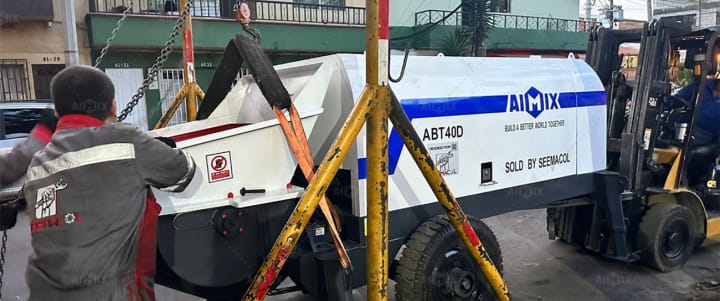
The mode of transportation selected also significantly impacts the cost of concrete pump shipment. Sea freight is the most common method for international transportation because it offers a cost-effective solution for heavy equipment. However, if time is a critical factor, air freight may be chosen for smaller components, though this option is considerably more expensive. For domestic delivery, land transport using flatbed trucks or specialized trailers is typical for the stationary concrete pump. Each transportation mode involves unique handling requirements, documentation, and insurance coverage, all of which influence the total price. In general, combining different modes (for example, sea freight followed by road transport) increases the cost but ensures safe and efficient delivery.
Port Handling and Customs Clearance
Once the stationary concrete pump arrives at the destination country, port handling and customs clearance become additional cost factors. These include unloading fees, storage fees, port terminal handling charges, and customs duties or import taxes. Each country has its own regulations and tariff rates, so buyers should confirm these costs before shipment to avoid unexpected expenses. Delays in customs clearance can also increase the cost of concrete pump transportation because storage fees accumulate daily. Efficient communication between the buyer, supplier, and freight forwarder is crucial to ensure all documents—such as the bill of lading, certificate of origin, and packing list—are correctly prepared to avoid delays or fines.
Insurance and Risk Coverage
Insurance is another critical component that influences the cost of concrete pump shipment. Given the high value of a stationary concrete pump, it is highly recommended to insure the equipment during transit. Insurance protects both the buyer and the seller in case of loss, damage, or accidents that may occur during shipping. Marine insurance, for example, covers risks related to sea transport, including weather damage or mishandling. Although insurance adds a small percentage to the total cost, it provides peace of mind and financial security in case of unforeseen incidents. The type and extent of insurance coverage—basic, partial, or full-risk—will directly affect the total transportation expense.
Season and Market Conditions
Few buyers realize that seasonal fluctuations and global market conditions can affect the cost of concrete pump shipment. During peak shipping seasons, such as before major holidays or during global trade surges, freight rates tend to rise due to high demand for container space. Similarly, geopolitical issues, port congestion, or fuel price increases can lead to temporary surcharges by shipping lines. If you are planning to import a stationary concrete pump, it is advisable to coordinate with your supplier in advance to schedule shipping during off-peak times whenever possible. Early booking often ensures more stable pricing and avoids sudden cost increases due to market volatility.
Supplier Location and Shipping Experience
The location and experience of the concrete pump manufacturer also influence transportation costs. Suppliers located near major ports or logistics hubs can offer lower freight rates due to their proximity to shipping infrastructure. In contrast, factories situated inland may require additional road or rail transport to reach the nearest seaport, increasing the cost of concrete pump shipment. Additionally, experienced suppliers with established logistics partners can negotiate better shipping rates and handle customs procedures efficiently, saving you time and money. It’s always wise to select a stationary concrete pump supplier that has prior experience with international shipments and can provide full-service support from packing to delivery.
Additional Services and Destination Handling
Finally, the total cost of concrete pump shipment may also include additional services such as pre-shipment inspection, on-site unloading, or installation support. Some suppliers offer door-to-door delivery, which means they handle every stage from factory to construction site. Although this service increases upfront shipping costs, it often proves more convenient and secure, especially for buyers unfamiliar with import procedures. On-site unloading may require cranes or forklifts, adding to the total cost depending on the equipment’s weight and local labor rates. Buyers should clarify these details with their supplier to ensure no hidden fees appear after delivery.
Conclusion
In conclusion, the cost of concrete pump shipment, especially for a stationary concrete pump, depends on a range of interrelated factors including distance, transportation route, equipment weight, packaging standards, insurance, customs duties, and market conditions. Understanding these variables allows buyers to plan their budgets accurately, negotiate fair pricing with suppliers, and avoid unexpected expenses. The best approach is to maintain open communication with your manufacturer or freight forwarder throughout the process, ensuring all logistics, documentation, and insurance requirements are handled correctly. By doing so, you can guarantee that your stationary concrete pump will be delivered safely, efficiently, and at a reasonable cost, ready to support your construction operations without delay.
About the Creator
Aimixmachine
AIMIX is a customer-center-oriented heavy equipment manufacturer and supplier, devoted to production, innovation, combination, one-stop solution, etc.
Keep reading
More stories from Aimixmachine and writers in 01 and other communities.
How to Communicate with a Concrete Pump Company to Get Suitable Stationary Concrete Pump for Your High-Rise Construction
High-rise construction projects come with a unique set of challenges, particularly when it comes to the transportation and pumping of concrete. As buildings grow taller, the need for efficient, reliable concrete pumping systems increases significantly. A stationary concrete pump is often the ideal solution for such projects, providing the ability to pump large volumes of concrete to considerable heights. However, to ensure that you select the right pump for your specific needs, effective communication with a concrete pump company is crucial. In this article, we will explore how to approach and communicate with a concrete pump company to ensure you get the most suitable stationary concrete pump for your high-rise construction project.
By Aimixmachine3 months ago in 01


Comments
There are no comments for this story
Be the first to respond and start the conversation.