
What Are the Top Social Media Accounts About Recovery From Alcoholism?
Top Social Media Accounts
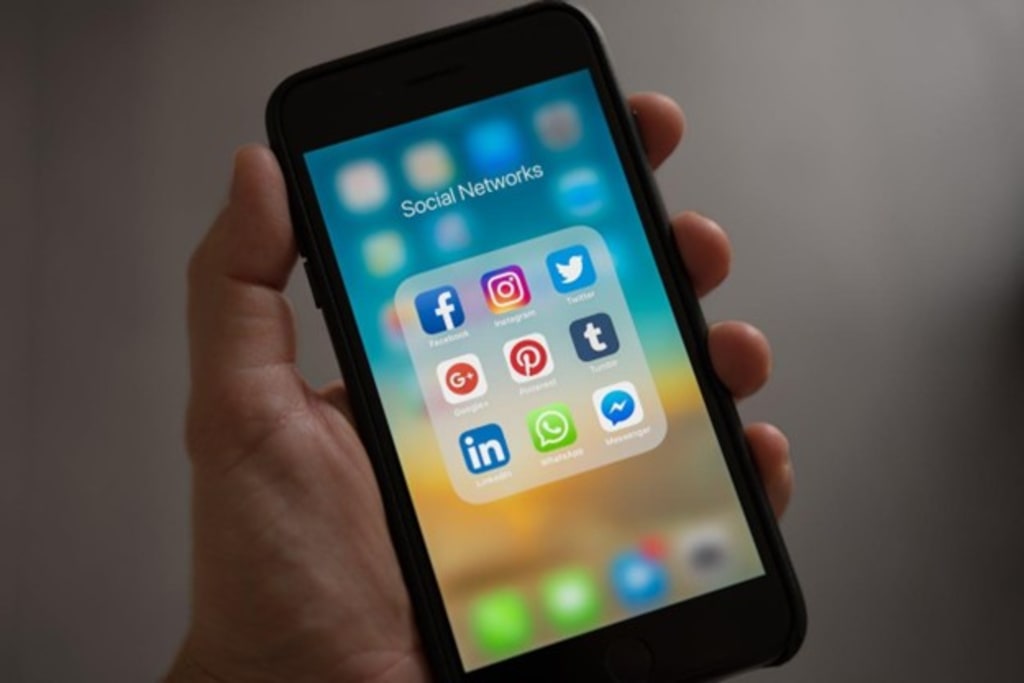
If you’re asking, “What are the top social media accounts about recovery from alcoholism?” you’re probably looking for something more specific than inspiration.
You want accounts that make recovery feel doable on a random Tuesday, that explain what is happening in your brain and body in plain language, and that point you toward real support when scrolling is not enough.
But there isn’t one authoritative leaderboard, and follower counts are an iffy quality indicator.
In this article, Vocal has curated widely trusted accounts and communities across categories (science-based education, peer support, sober community, and skills-building).
We then show how to evaluate any recovery account before you hit Follow. This combination tends to hold up well since it focuses on both durable principles and reputable sources, not trends.
What “Top” Really Means in Recovery Content
The best recovery accounts do at least one of these jobs very consistently:
● Reduce shame and isolation by making recovery feel normal and human.
● Improve decision-making with practical tools for cravings, stress, sleep, and social pressure.
● Increase treatment literacy so you can navigate detox, levels of care, and insurance without getting lost.
● Support long-term change by helping you build a life that does not revolve around alcohol.
In other words, “top” should mean “most helpful for the stage you’re in,” not “most viral.”
A Shortlist of High-Trust Accounts and Communities
Below are options that are well-established and generally reliable. You do not need to follow all of them. Most people do better with a small, intentional set: one or two evidence-based sources, one community source, and one or two practical, day-to-day support accounts.
Evidence-Based Education and Public Health (High Trust, Low Hype)
NIAAA (National Institute on Alcohol Abuse and Alcoholism)
A strong follow when you want science-forward information about alcohol’s effects, alcohol use disorder, and treatment research. This is a stabilizing counterweight to misinformation, especially when social media gets loud.
SAMHSA (Substance Abuse and Mental Health Services Administration)
SAMHSA’s content is broader than alcohol, but it’s useful for treatment navigation, national recovery messaging, and knowing what resources exist when you need help quickly.
FindTreatment.gov (treatment locator)
Not a typical “account,” but an essential resource that many people discover through social channels. If you want a practical next step beyond content, this is one of the most straightforward ways to search for treatment.
988 Suicide & Crisis Lifeline
Again, not “recovery content” in the influencer sense, but important to keep in your back pocket. Many people struggling with alcohol also deal with anxiety, depression, trauma symptoms, or moments of crisis. Knowing where immediate support lives is part of a real recovery plan.
Community, Advocacy, and Mutual Support (Connection That Extends Offline)
SMART Recovery
A skills-based, evidence-informed recovery community that shares tools and meeting information. Helpful for people who want practical coping strategies and a non-stigmatizing, self-management approach.
The Phoenix (sober active community)
If isolation fuels drinking, the Phoenix model is compelling: community + activity + routine. Accounts like this can be especially helpful for rebuilding social life without centering on alcohol.
Shatterproof
A national nonprofit that focuses on stigma reduction and system-level barriers. Their content is valuable for families, professionals, and people who want trusted guidance without moralizing.
Faces & Voices of Recovery
A recovery advocacy organization that highlights lived experience, policy, and community. This is a good follow if you want to feel connected to the broader recovery movement and not just your own private battle.
Al-Anon Family Groups World Service Office (for families and loved ones)
If your audience includes spouses, parents, adult children, or close friends of someone with alcohol use disorder, Al-Anon content can help them shift from control and confusion into boundaries and support.
Creator-Led Sobriety Education (Practical, Relatable, Often Day-One-Friendly)
This Naked Mind (Annie Grace)
Often resonates with sober-curious and early recovery audiences who want to reframe alcohol and build motivation without shame-based messaging.
Sober Powered (Gill Tietz)
Known for explaining “why your brain does that” in a way that turns overwhelm into a plan. Useful if you like structured education and behavior change tools.
The Luckiest Club
A community-forward account that emphasizes compassion and reduces the “you must do it this one way” vibe many people struggle with online.
Recovery Elevator
A podcast-driven ecosystem, useful for people who learn through stories and want to feel less alone during the messy middle of change.
Tempest (now part of Monument) and Monument
These accounts sit closer to the clinical support space. Many people follow them for therapy-forward content and structured guidance. As with any brand account, use the content as support, not as a substitute for medical care.
Peer Communities That Function Like “A Support Group in Your Pocket”
r/stopdrinking (Reddit)
One of the largest alcohol-focused peer communities online. Many people use it as a daily check-in, especially during cravings or after a slip. The anonymity lowers the barrier to asking for help, but it’s still worth protecting your privacy and remembering you’re reading peers, not clinicians.
You can also find adjacent communities (like cutting down vs stopping, or sober fitness), depending on what you need your feed to reinforce.
How To Vet Any Recovery Account in 60 Seconds
Before you follow someone, ask:
1. Do they separate lived experience from clinical claims?
2. Do they recommend professional care for withdrawal risk, severe symptoms, or mental health crises?
3. Do they avoid miracle promises and “one weird trick” messaging?
4. Do you feel calmer and more capable after watching, or activated and ashamed?
5. Are they transparent about what they are selling, if anything?
6. Do they respect different pathways (abstinence, mutual help, therapy, meds when appropriate, harm reduction)?
7. Do they model boundaries (privacy, consent, and no exploitation of vulnerable moments)?
If an account consistently makes you feel worse, unfollowing is not failure. It’s self-protection.
How To Use Social Media as Part of a Recovery Plan
Social media works best when you treat it like a tool, not a lifestyle.
● Build a “small feed” on purpose. Follow a handful of high-trust sources and mute the rest. Too many recovery accounts can turn your feed into constant crisis content.
● Separate your recovery feed from your entertainment feed. A second account can reduce the whiplash of seeing nightlife content next to relapse prevention content.
● Save skills, not slogans. Save posts that teach coping steps for cravings, social events, sleep, stress, and relationships.
● Use “if-then” rules. If you notice cravings rising after scrolling, then you switch to a five-minute reset: hydration, a short walk, a text to someone safe, or a brief meeting check-in.
● Remember, the gold standard is offline stability. Online support should point you toward real connections, real health care, and real routines.
Treatment Centers in Arizona: What Local Support Can Look Like
Arizona has a broad range of treatment options across Phoenix, Scottsdale, Tucson, and other communities, including medically supervised detox, residential care, partial hospitalization (PHP), intensive outpatient programs (IOP), outpatient counseling, and peer support networks. What matters most is matching the level of care to clinical need.
Alcohol withdrawal can be medically risky for some people, so a responsible pathway often starts with a clinical assessment to determine if detox is needed and whether it should be medically supervised.
A leading Arizona program, Purpose Healing Center offers facilities in Phoenix and Scottsdale. explains, in plain language, how they screen for withdrawal risk, how they coordinate psychiatric care when mental health symptoms are present, and how they plan step-down care after stabilization so you are not left to figure it out alone.
Treatment Centers That Take Blue Cross for Alcohol Detox in Arizona
A practical starting point is the AZ Blue “Find a Doctor” directory, which allows you to choose coverage type and network and browse as a guest. When you contact a detox provider, ask three direct questions:
(1) Are you in-network for my exact plan (not just “we take Blue Cross”),
(2) Do you provide medically supervised alcohol detox (not only outpatient services)
(3) Will you handle preauthorization and communicate with the insurer about medical necessity?
If a facility is out-of-network, some plans still offer exceptions, but you want estimates in writing when possible and clarity on what happens if authorization is denied or shortened. If you need a broader search beyond an insurer directory, FindTreatment.gov can help you identify nearby facilities, and then you can verify network status with the plan.
If you’re searching for a treatment center that takes Blue Cross for alcohol detox in Arizona, it helps to approach it like a verification process rather than a list. Coverage can vary by plan type, network, and whether the facility is contracted for the specific level of care (detox vs residential vs outpatient).
Common Questions People Have When They Start Following Recovery Content
Should I rely on recovery influencers instead of treatment or meetings?
Influencers can be supportive and motivating, but they cannot assess withdrawal risk, diagnose co-occurring conditions, or provide crisis care. Use content as a supplement, not a substitute.
What if I do not connect with the “one right way” tone online?
That’s common. Many people do better with a flexible approach that includes skills-based support, therapy, peer community, and practical lifestyle change. Your recovery plan should fit you, not the other way around.
Can social media trigger cravings?
Yes. Even recovery content can be activating if it includes vivid drinking stories, relapse content, or intense moral framing. Pay attention to your body and mood after scrolling. If you notice more cravings or anxiety, curate more aggressively.
Choosing The Top Social Media Account for Alcohol Recovery
The “top” recovery accounts are the ones that help you build stability outside the app. Start small: follow one evidence-based source, one community source, and one practical day-to-day account. Save tools that help you through cravings and social pressure.
Unfollow anything that spikes shame or romanticizes alcohol. And if you are concerned about withdrawal risk or your safety, get help in the real world first, then use online support to reinforce it.
About the Creator
Winter Clothing: Practical Design, Materials, and Everyday Use
Winter clothing has long served a fundamental role in human survival and daily comfort. As temperatures drop, clothing becomes more than a style choice—it becomes a functional necessity designed to protect the body from cold, wind, and moisture. From traditional wool garments to modern insulated outerwear, winter clothing reflects both environmental demands and evolving lifestyles.
By charliesamuel8 days ago in 01



Comments
There are no comments for this story
Be the first to respond and start the conversation.