
What are 5 Fun Facts about Ethanol?
A Brief Look into the Facts about Ethanol

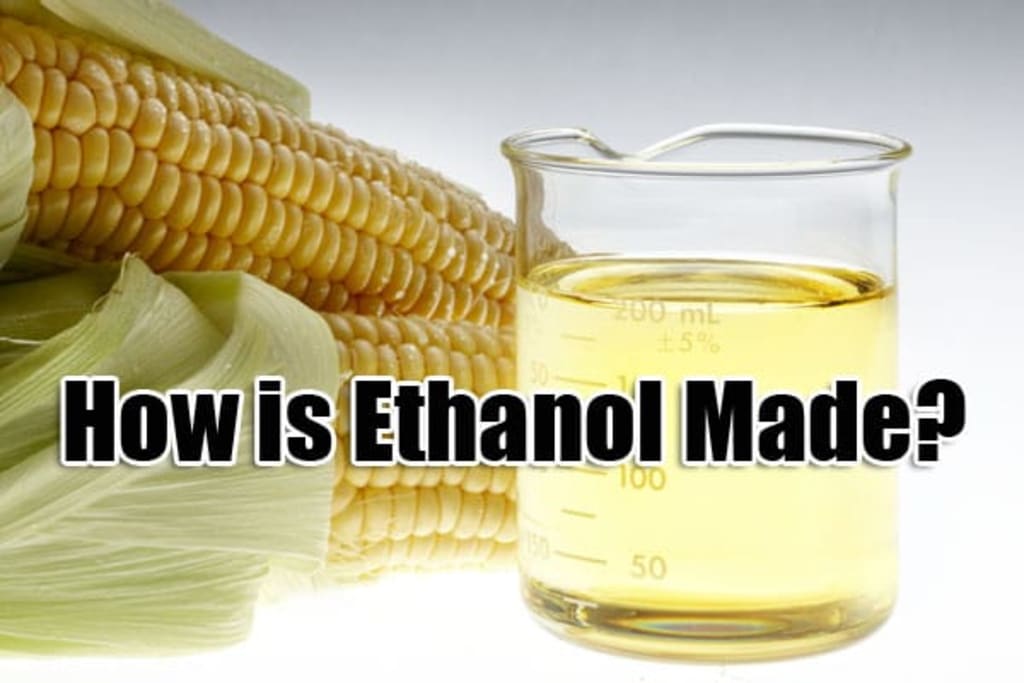
Ethanol, a simple yet fascinating compound, has become an essential part of modern life, primarily recognized as a biofuel, an industrial solvent, and an ingredient in alcoholic beverages. While many people are familiar with its basic uses, there are numerous intriguing aspects of ethanol that often go unnoticed. In this article, we will explore five fun facts about ethanol that highlight its versatility and significance.
1. Ethanol is Found in Everyday Beverages
One of the most well-known uses of ethanol is as the key ingredient in alcoholic beverages. Ethanol, or ethyl alcohol, is produced through the fermentation of sugars by yeast. This process has been utilized for thousands of years to create a wide variety of drinks, from beer and wine to spirits like whiskey and vodka.
A Historical Perspective
The use of ethanol in beverages dates back to ancient civilizations. Archaeological evidence suggests that the Sumerians brewed beer as far back as 4000 BC, while ancient Egyptians produced wine around the same time. The fermentation process is a natural biochemical reaction, making it one of humanity's earliest forms of food preservation and enjoyment. Today, the global alcoholic beverage industry generates hundreds of billions of dollars annually, with ethanol as its foundational component.
Fun Fact
In the fermentation process, different ingredients lead to varying alcohol content and flavors. For example, beer typically has an alcohol by volume (ABV) of around 5%, while spirits can range from 40% to over 50% ABV!
2. Ethanol as a Renewable Energy Source
Ethanol is increasingly recognized as a renewable energy source, particularly in the form of bioethanol. Produced from biomass—such as corn, sugarcane, and other plant materials—bioethanol serves as an alternative to fossil fuels in powering vehicles.
The Benefits of Bioethanol
Using ethanol as a fuel offers several environmental benefits. It emits fewer greenhouse gases compared to gasoline and can help reduce dependence on non-renewable fossil fuels. In fact, studies show that bioethanol can produce up to 40% fewer carbon emissions than gasoline, making it a more sustainable option for transportation.
Fun Fact
In the United States, ethanol is commonly blended with gasoline to create a fuel known as E10, which contains 10% ethanol. This blend is widely used in vehicles and is often seen as a bridge toward cleaner energy solutions.
3. Ethanol is Used in Industrial Applications
Beyond its role as a fuel and in beverages, ethanol has numerous industrial applications. Its properties as a solvent make it invaluable in various industries, including pharmaceuticals, cosmetics, and food processing.
Solvent Properties
Ethanol is highly effective at dissolving a wide range of compounds, making it ideal for formulating products like hand sanitizers, perfumes, and disinfectants. In the pharmaceutical industry, ethanol serves as a solvent in the production of medicines and vaccines, helping to ensure proper dosage and efficacy.
Fun Fact
Ethanol is also used in the extraction of essential oils from plants. This process allows for the capture of natural flavors and fragrances, making ethanol an integral part of the food and cosmetic industries.
4. The Role of Ethanol in Fermentation and Distillation
Ethanol is not only a product of fermentation but also plays a crucial role in the processes of fermentation and distillation itself. In the production of alcoholic beverages, yeast converts sugars into ethanol and carbon dioxide through fermentation. This process can vary significantly based on the type of beverage being produced.
Distillation Explained
After fermentation, distillation is often employed to increase the alcohol concentration. This process involves heating the fermented mixture to separate the ethanol from other components based on their differing boiling points. For example, in whiskey production, the fermented mash is distilled to create a higher-proof spirit before being aged in barrels to develop its flavors.
Fun Fact
The distillation process can produce spirits with an ethanol concentration of 95% or higher, which is known as "neutral spirit." This highly concentrated ethanol is then diluted before being bottled and sold.
5. Ethanol and Human Health
Ethanol's effects on human health are multifaceted. While moderate consumption of ethanol in the form of alcoholic beverages can have some health benefits, excessive consumption can lead to significant health issues.
The Benefits and Risks
Research suggests that moderate alcohol consumption may have some health benefits, such as reducing the risk of heart disease. However, heavy drinking can result in a range of health problems, including liver disease, addiction, and mental health issues. The key lies in moderation; understanding how ethanol affects the body is crucial for making informed choices about alcohol consumption.
Fun Fact
The liver metabolizes ethanol at a consistent rate, roughly one standard drink per hour. This process can vary among individuals based on factors like age, sex, and genetic predisposition, influencing how quickly one feels the effects of alcohol.
Conclusion
Ethanol is a versatile compound that plays a significant role in our daily lives, from the beverages we enjoy to its applications as a renewable energy source and industrial solvent. Understanding the fascinating facts about ethanol not only enhances our appreciation of this remarkable substance but also encourages us to consider its impact on health, the environment, and our communities. Whether you are enjoying a glass of wine, filling your car with fuel, or using a hand sanitizer, ethanol is likely to be a part of your life in ways you may not have previously realized.
About the Creator
Educational Villa
An Educational Villa is a concept that blends the traditional charm of a villa with modern educational principles.
https://educationalvilla.com/how-many-weeks-are-in-a-school-year/
Keep reading
More stories from Educational Villa and writers in 01 and other communities.
Educational Villa
In recent years, the concept of an "educational villa" has emerged as an innovative approach to learning environments. These villas combine the tranquility of a retreat with the resources of a learning center, creating a unique space for education and personal development. In this article, we’ll explore what an educational villa is, its benefits, design considerations, and examples of such spaces around the world.
By Educational Villaabout a year ago in 01
How to Choose a Mobile App Development Company 2026
The Google ecosystem has completed its transition from an index of pages to a comprehensive map of verified entities. This shift means the Trust Graph now dictates which development firms appear in AI Retrieval results.
By Del Rosario6 days ago in 01
Autonomy Is The Real Privilege
Good morning, freedom-seekers! Today we’re gonna be looking at autonomy. A strange word, I know; one many would probably look at blankly and run away from on sight. We’re gonna figure out what it actually means, consider how it’s achieved, and decipher just how deeply most of us are tangled up in dependence without realising it.
By That ‘Freedom’ Guy6 days ago in Humans




Comments
There are no comments for this story
Be the first to respond and start the conversation.