
Water and Energy Conservation Technologies in Stationary Concrete Batching Plants
How Innovative Water and Energy-Saving Technologies Are Shaping the Future of Sustainable Concrete Production

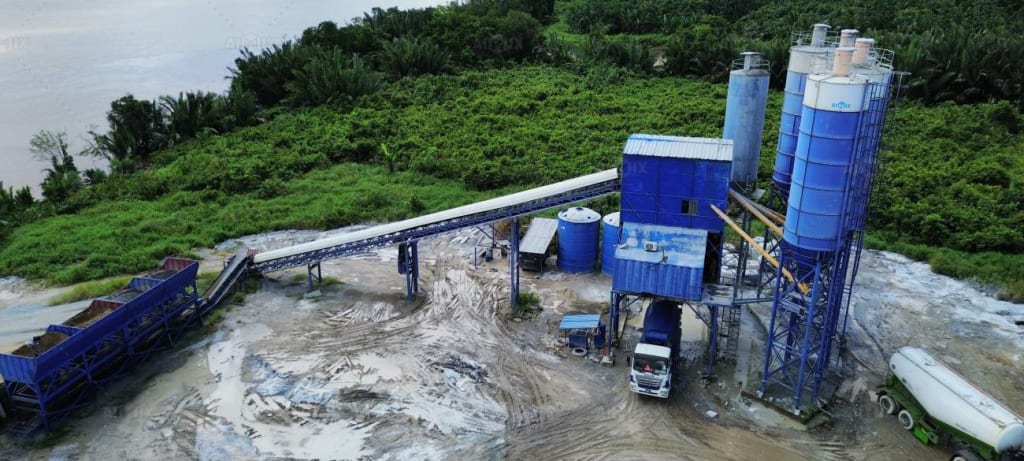
As environmental awareness grows worldwide, the construction industry is under increasing pressure to adopt sustainable practices. One of the key components in modern construction is concrete production, where stationary concrete batching plants play a vital role. These plants are essential for producing large volumes of high-quality concrete, particularly for infrastructure, commercial, and residential projects. However, concrete production is traditionally resource-intensive, consuming significant amounts of water and energy. To address these challenges, innovative water and energy conservation technologies have been integrated into stationary concrete batching plants, improving sustainability while maintaining productivity.
This article explores these advancements and highlights how a ready mix concrete batching plant can become an eco-friendly powerhouse for the construction industry.

The Importance of Conservation in Concrete Production
Concrete production involves mixing cement, aggregates, water, and additives. The process requires water for hydration and cleaning, as well as energy for operating mixers, conveyors, control systems, and other plant machinery. Traditional batching plants can consume thousands of liters of water daily and substantial electricity, contributing to environmental degradation and operational costs.
With governments tightening regulations on water usage and carbon emissions, concrete producers must adopt technologies that conserve resources, reduce waste, and lower their carbon footprint. Stationary concrete batching plants, due to their scale and permanent setup, are prime candidates for integrating these technologies effectively.
Water Conservation Technologies in Stationary Concrete Batching Plants
1. Water Recycling and Reuse Systems
Modern stationary batching plants are equipped with advanced water recycling systems that capture, treat, and reuse wastewater from cleaning operations and concrete residuals. Instead of discharging contaminated water, these systems recycle it back into the mixing process, significantly reducing freshwater demand.
Key features include:
Settling tanks and filtration units to remove solids and impurities.
Closed-loop systems that minimize water loss and contamination risks.
Automated water management for consistent quality control.
By integrating water recycling, plants reduce their impact on local water resources and lower operational costs. This is especially critical in arid regions or areas facing water scarcity.
2. Optimized Water Metering
Precise control over the amount of water added to each batch is vital. Overwatering leads to wasted resources and weakens concrete strength. Modern ready mix concrete batching plants use digital sensors and automated control systems to meter water with high accuracy. This reduces excess water use and ensures consistent concrete quality.

Energy Conservation Technologies in Stationary Concrete Batching Plants
1. Energy-Efficient Mixers and Motors
Energy consumption in concrete batching plants largely comes from mixers and conveyor motors. Newer stationary plants employ high-efficiency electric motors and mixers designed to reduce power consumption while maintaining mixing performance.
Benefits include:
Lower electricity bills for plant operators.
Reduced greenhouse gas emissions due to less power usage.
Enhanced equipment lifespan through improved motor design.
2. Renewable Energy Integration
Some stationary concrete batching plants have begun incorporating renewable energy sources such as solar panels or wind turbines. These setups can power auxiliary equipment, lighting, or even partially supply energy to mixers, reducing reliance on fossil fuels.
For instance, large plants in sunny climates may install solar arrays on-site to offset daytime energy needs, creating a greener production footprint.
3. Variable Frequency Drives (VFDs)
VFD technology adjusts motor speed based on operational demand, preventing energy waste during low-load periods. By installing VFDs on conveyors, pumps, and mixers, batching plants reduce unnecessary power consumption, enhancing overall energy efficiency.
Benefits of Water and Energy Conservation in Ready Mix Concrete Batching Plants
Integrating water and energy-saving technologies into stationary concrete batching plants offers multiple benefits:
Cost Savings: Reduced water and electricity usage lowers operating expenses, improving profit margins.
Regulatory Compliance: Plants meet stricter environmental regulations, avoiding fines and work stoppages.
Enhanced Corporate Image: Sustainable practices attract clients and partners prioritizing green construction.
Resource Security: Efficient resource use helps ensure continuous operations during droughts or energy shortages.
Implementing Conservation Technologies: Best Practices
To maximize benefits, concrete producers should consider:
Comprehensive audits to identify water and energy waste sources.
Investing in smart control systems for real-time monitoring and adjustments.
Training staff on sustainable operations and equipment maintenance.
Collaborating with technology providers to customize solutions for specific plant layouts and production volumes.
The Future of Sustainable Concrete Production
The push for sustainability in construction will only grow stronger, driving continuous innovation in batching plant technologies. Future trends may include:
Fully automated water recycling loops with AI optimization.
Energy storage systems paired with renewables to manage peak loads.
Use of alternative fuels or electrification of heavy plant equipment.
Integration of green materials and additives that reduce overall environmental impact.
As stationary concrete batching plants evolve, they will become not only production hubs but also exemplars of environmental stewardship.

Conclusion
Water and energy conservation technologies are transforming stationary concrete batching plants into sustainable assets for the construction industry. By adopting systems like water recycling, precision water metering, energy-efficient motors, and renewable energy integration, plants can reduce their ecological footprint while enhancing economic performance.
For contractors and producers looking to invest, a modern ready mix concrete batching plant equipped with these green technologies offers long-term value, regulatory peace of mind, and alignment with global sustainability goals. As environmental demands tighten, embracing these innovations is no longer optional but essential for competitive success.
About the Creator
consrtuctionmachines
AIMIX is a customer-center-oriented heavy equipment manufacturer and supplier, devoted to production, innovation, combination, one-stop solution, etc.
https://aimixgroup.com/
Keep reading
More stories from consrtuctionmachines and writers in 01 and other communities.
Buy Concrete Plant: A Smart Move for Ready-Mix Concrete Startups
Starting a ready-mix concrete (RMC) business is an exciting yet challenging venture. With growing urbanization, infrastructure development, and increased demand for high-quality concrete, entrepreneurs are looking for strategic ways to enter the market. One of the most critical steps in setting up an RMC business is deciding to buy concrete plant equipment that meets operational needs and future growth potential.
By consrtuctionmachines8 months ago in 01
The Role of AI Agents in Modern Enterprise Automation Strategies
AI is transforming how work gets done in enterprises, but it won’t replace humans outright. Instead, employees who leverage AI effectively will outpace those who don’t. Modern automation has evolved beyond simple scripts and scheduled tasks, introducing intelligent software capable of making decisions, interacting with systems, and completing meaningful work independently.
By Swiftproxy2 days ago in 01
Becca
"Everything is so... flat." Denille said stupidly as she looked around her new neighborhood. She looked around at the muted desert where even the smallest sign of life seemed to have given up. The plant life was shrubs that were half cooked by the heat and where there should have been a lawn, a mess of white rocks laid glistening in the sun. Even the sky looked stretched thin, like the sun had ironed it smooth. She’d moved from Riverside, where at least there were hills, but here in Barstow, everything felt baked and brittle.
By Sara Wilson7 days ago in Fiction




Comments
There are no comments for this story
Be the first to respond and start the conversation.