
Vitiligo Tattooing: The Best Solution for Camouflaging White Patches on the Body
Vitiligo Tattooing: The Best Solution for Camouflaging White Patches on the Body

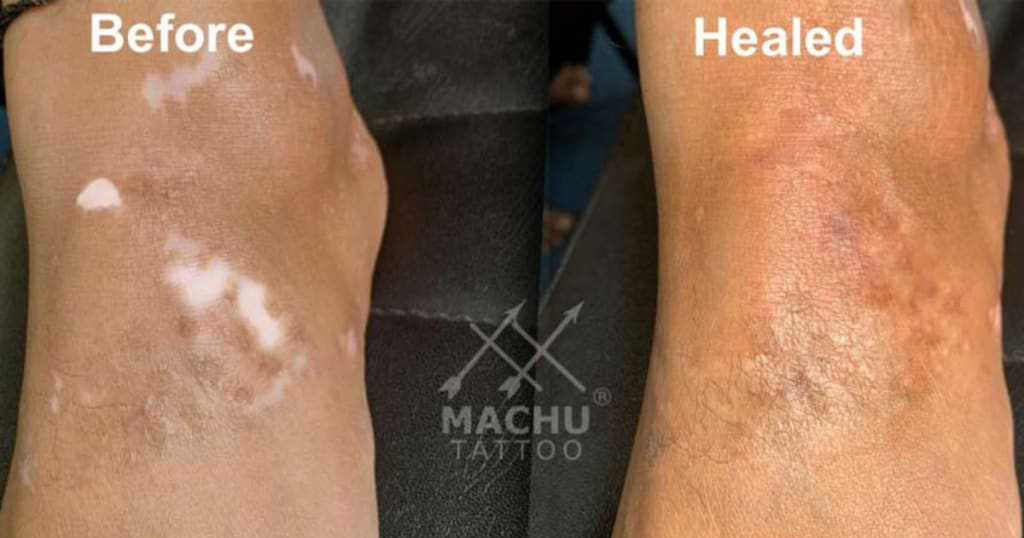
Vitiligo, a condition where the skin loses its pigment and develops white patches, affects millions of people worldwide. While vitiligo is not harmful or contagious, its appearance can lead to emotional and psychological distress due to the visible differences in skin tone. Many individuals with vitiligo look for ways to restore their skin's natural appearance and regain their confidence. One of the most innovative and effective solutions emerging in recent years is vitiligo tattooing, a specialized technique aimed at camouflaging the white patches on the body. This method has gained increasing popularity for its ability to provide lasting and natural-looking results. In this article, we will explore the ins and outs of vitiligo tattooing, including its benefits, the process, and how it compares to other treatments.
Understanding Vitiligo and Its Psychological Impact
Before diving into the specifics of vitiligo tattooing, it is important to understand what vitiligo is and how it can affect individuals. Vitiligo is an autoimmune disorder where the immune system attacks melanocytes, the cells responsible for producing pigment in the skin. This leads to depigmented patches that can appear anywhere on the body, although they are often most noticeable on the face, hands, arms, and feet.
Psychological Impact of Vitiligo
The emotional and psychological effects of vitiligo can be profound. The visibility of the condition can lead to feelings of self-consciousness, embarrassment, and a loss of self-esteem. Many individuals with vitiligo experience anxiety, depression, or social isolation, and some may struggle with their identity due to the dramatic appearance of white patches on their skin. For this reason, treatment options that focus on improving the cosmetic appearance of the skin are highly sought after.
While there are medical treatments like corticosteroid creams, light therapy, and skin grafting, they can often be ineffective, costly, and time-consuming. This is where vitiligo tattooing has become a groundbreaking solution for many.
What is Vitiligo Tattooing?
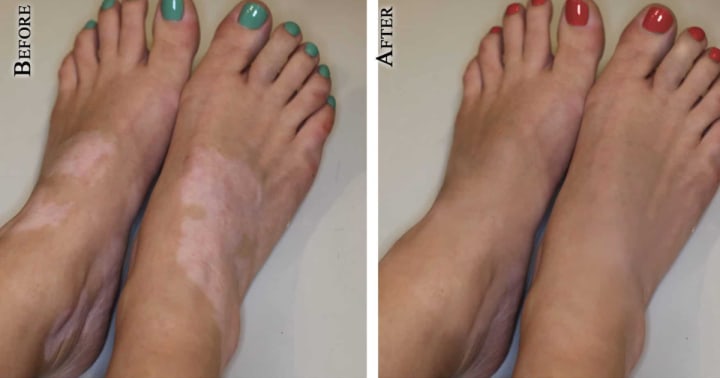
Vitiligo tattooing, also known as medical tattooing or camouflage tattooing, is a technique where pigment is tattooed onto the skin to match the surrounding skin tones. The goal is to create a seamless appearance that disguises the white patches caused by vitiligo. Unlike traditional tattoos, medical tattooing for vitiligo uses specialized pigments and a careful application technique designed to mimic the natural skin color.
The tattooing process involves depositing pigment into the dermal layer of the skin using a fine needle. The pigment is specifically chosen to match the color of the surrounding skin, blending it in as naturally as possible. While the process may sound similar to a typical tattoo, the precision and detail required for vitiligo camouflage make it a specialized field that demands expertise.
Benefits of Vitiligo Tattooing
1. Immediate and Long-Lasting Results
One of the major advantages of vitiligo tattooing is the immediate improvement it provides. Once the procedure is completed, the tattoos can blend the white patches into the surrounding skin. The results are natural and long-lasting, often requiring only a few touch-ups over the years.
2. No Downtime or Recovery Period
Unlike some medical treatments or surgeries, vitiligo tattooing requires minimal recovery time. Most patients can return to their regular activities immediately after the procedure, making it an attractive option for those with busy lifestyles.
3. Non-Invasive and Low-Risk
Medical tattooing is a non-invasive procedure with very low risks when performed by a trained professional. It avoids the potential complications of surgical options like skin grafts, making it a safer alternative for many.
4. Enhances Confidence and Self-Esteem
For many individuals, the emotional benefits of vitiligo tattooing are just as important as the physical ones. By camouflaging the visible patches, people can feel more confident and less self-conscious about their skin. This boost in self-esteem can improve social interactions and overall mental well-being.
5. Customizable and Tailored to the Individual
Each person’s vitiligo is unique, and the tattooing process is customized to match the specific color and texture of the skin. Highly skilled professionals can adjust the pigment to match the skin's undertones, ensuring a natural and personalized result.
The Vitiligo Tattooing Process
Vitiligo tattooing is not a simple procedure, and it requires skill, precision, and a deep understanding of skin tone and pigment application. Here is a breakdown of what to expect during the process:
1. Consultation and Assessment
The first step in the tattooing process is a consultation with a certified tattoo artist or a dermatologist experienced in vitiligo camouflage. During this consultation, the artist will assess the areas to be treated, the type of vitiligo, and the skin's undertones to choose the right pigments for the procedure. They will also discuss your expectations and determine if you are a good candidate for tattooing.
2. Patch Testing
Before applying the tattoo, a patch test is often performed to check how the skin reacts to the pigment. This test ensures that the pigment does not cause an allergic reaction and allows the artist to fine-tune the color for optimal results.
3. Tattooing the Skin
Once the patch test is cleared, the actual tattooing begins. Using a fine needle, the artist deposits the pigment into the skin in a series of delicate strokes. The artist will work patiently to match the surrounding skin color as closely as possible, ensuring that the white patches are well-blended into the skin.
4. Healing and Aftercare
After the tattoo is complete, there may be some slight swelling or redness around the tattooed area, but this should subside within a few days. The artist will provide you with specific aftercare instructions, including keeping the area clean and moisturized to promote healing. It is important to avoid sun exposure during the healing process to prevent discoloration of the tattoo.
5. Touch-ups
While the results can be long-lasting, some individuals may require touch-ups after several years to maintain the appearance of the camouflage. These touch-ups can also be done to adjust the color if the surrounding skin tone changes over time.
Is Vitiligo Tattooing Right for You?
Vitiligo tattooing can be an excellent option for many individuals, but it may not be suitable for everyone. Here are some factors to consider when determining if this procedure is right for you:
- Skin Type and Tone: The success of vitiligo tattooing depends heavily on your skin tone and the location of the vitiligo patches. People with darker skin tones or extensive depigmentation may need more specialized techniques for the best results.
- Expectations: While vitiligo tattooing can significantly improve the appearance of the skin, it may not completely eliminate all signs of the condition. It is important to have realistic expectations and understand that the goal is to blend the patches, not to fully restore the skin to its natural state.
- Choosing a Qualified Professional: The key to achieving natural and successful results lies in selecting a highly skilled and experienced tattoo artist who specializes in medical tattooing. Look for someone who has specific expertise in vitiligo camouflage and is familiar with the nuances of different skin types.
For individuals looking for a highly professional and safe experience, consider reaching out to Elevate You Studio, a trusted clinic that offers vitiligo camouflage tattooing services tailored to your needs.
Comparison with Other Vitiligo Treatments
While vitiligo tattooing is a popular solution, it is important to compare it with other available treatments to understand its place in the broader landscape of vitiligo management.
Topical Treatments (e.g., Corticosteroids)
Topical treatments like corticosteroid creams can help slow the progression of vitiligo and, in some cases, restore pigment to affected areas. However, they are often time-consuming, may cause side effects, and may not provide a permanent solution.
Light Therapy
Light therapy, such as narrowband UVB treatment, is often used to treat vitiligo. While effective for some individuals, it requires frequent sessions and can take months or even years to show noticeable improvements.
Skin Grafting and Surgery
Skin grafting and surgical interventions may be considered for more severe cases of vitiligo. However, these procedures are invasive, costly, and come with longer recovery times. They may also result in scarring.
Compared to these options, vitiligo tattooing is non-invasive, has minimal downtime, and can provide immediate, long-lasting results. It is also a viable alternative for people who may not have responded well to other treatments.
Conclusion
Vitiligo tattooing has emerged as one of the most effective and empowering treatments for those looking to camouflage the white patches caused by vitiligo. By offering a non-invasive, customizable, and long-lasting solution, this technique can help individuals regain their confidence and feel more comfortable in their skin. If you are considering vitiligo tattooing, it is crucial to consult with a certified professional who specializes in medical tattooing to ensure the best results.
About the Creator
Elevate You Studio
My name is Gina, I am specialized in tattooing on compromised skin such as scars and stretchmarks to improve their appearance using the latest micro-pigmentation tattoo technique.
https://www.elevateyoustudio.com
Keep reading
More stories from Elevate You Studio and writers in 01 and other communities.
5 Reasons Why Procell Therapy is Best for a Flawless Body Look
When it comes to enhancing your skin’s appearance and improving its health, people often look for non-invasive treatments that can help with various issues like scars, stretch marks, and overall skin rejuvenation. Among the options available, Procell Therapy stands out as one of the most effective and popular treatments for achieving a flawless body look. But why exactly is Procell Therapy so highly regarded? Here are five key reasons why this treatment is the best choice for those seeking smoother, healthier, and more vibrant skin.
By Elevate You Studioabout a year ago in 01
App Development Costs and Timeline in St. Louis 2026
The landscape for App Development Costs and Timeline in St. Louis 2026 has shifted. It changed significantly as the region's tech corridor matured. St. Louis-based enterprises now face a new reality. Startups must also navigate a complex ecosystem. Building a custom application is no longer just about hiring one coder. It is about specialized engineering talent. It also involves evolving AI-integrated workflows.
By Del Rosario7 days ago in 01



Comments
There are no comments for this story
Be the first to respond and start the conversation.