
Upgrading Existing Patios with Stone Ove
Transform Your Outdoor Space with Stylish and Durable Stone Overlay Solutions

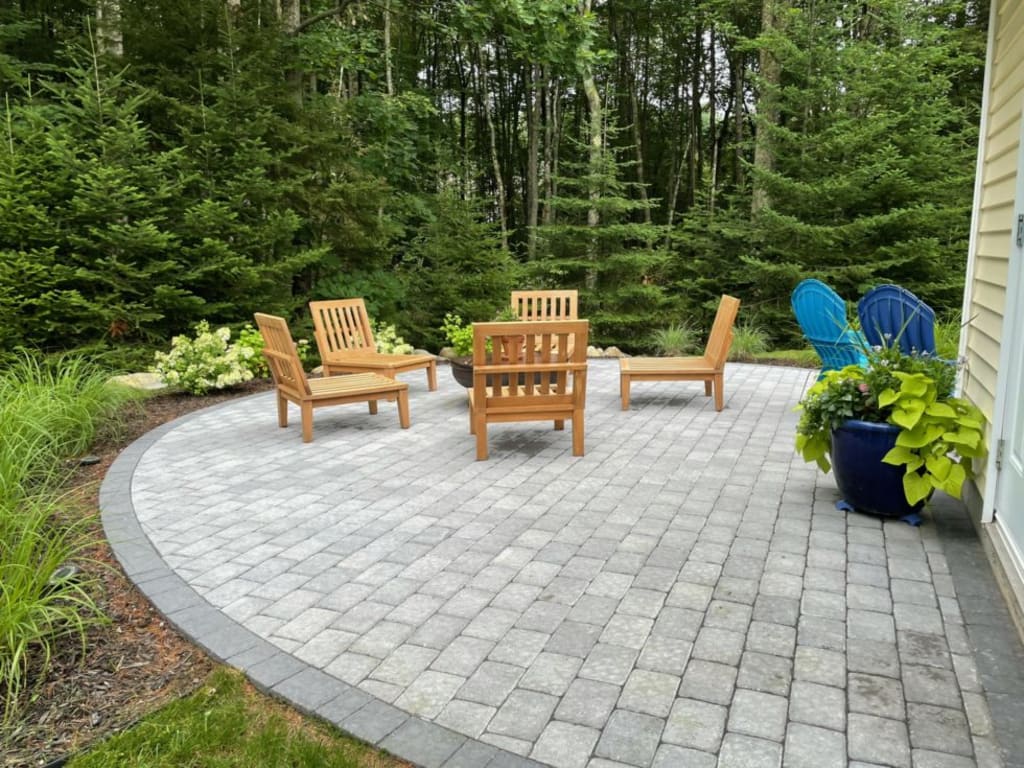
Why Upgrade a Patio Instead of Replacing It?
Cost-effective benefits
Replacing an entire patio can be expensive, especially when factoring in the removal of existing slabs, preparation of a new sub-base, and installation costs. By contrast, using stone overlays reduces labour and material expenditure. The original base often remains in place, meaning less waste and fewer steps, which significantly cuts down on project costs without compromising the final result.
This approach offers impressive savings while delivering the visual and structural quality expected of a full revamp. High-quality overlays replicate the aesthetic of full-thickness paving, making them an ideal alternative for homeowners working within a set budget. With proper installation, overlays are just as durable, offering years of reliable use and style.
Less disruption to garden layout
A full patio replacement often involves heavy equipment, potential damage to surrounding flowerbeds, and extended disruption to outdoor living. Stone overlays simplify this process by preserving the foundational elements and focusing improvements where they're most visible. This keeps the rest of the garden intact, allowing for quicker project completion with less upheaval.
Preserving the original footprint also allows homeowners to maintain established features such as borders, lighting, or plant beds. As a result, the transformation feels seamless rather than invasive. Those looking to refresh tired or dated patios without restarting from scratch will find overlays particularly practical.
Environmental considerations
Reusing an existing base reduces waste, conserves resources, and limits landfill contribution. By retaining structurally sound materials and building upon them, the environmental footprint of the project decreases. This makes stone overlays a more sustainable choice compared to full excavation and reconstruction.
Additionally, the reduced need for new sub-base materials lessens demand on quarrying and manufacturing. Combining sustainability with functionality, overlays cater to those who want a refreshed outdoor space without overlooking the broader ecological impact.
What Are Stone Overlays?
Definition and composition
Stone overlays refer to thinner paving stones designed to be laid directly over existing surfaces. Unlike full-thickness slabs, overlays typically range between 20–30mm in thickness. They offer the same visual appeal and texture as their thicker counterparts, but their slim profile makes them ideal for renovation rather than new installations.
Manufactured in materials like sandstone, limestone, and porcelain, overlays are finished to provide grip, strength, and durability. Their lightweight nature simplifies handling and laying, especially when retrofitting older patios that remain structurally sound but require an aesthetic upgrade.
Compatible base surfaces
Not every surface qualifies as a suitable foundation for overlays. Concrete bases, original paving in good condition, and structurally stable sub-bases work best. These surfaces provide the necessary support for overlays to perform well over time. Before laying, the existing area must be thoroughly assessed for cracks, movement, or drainage issues.
Any signs of instability, such as shifting flags or water pooling, must be addressed before installation. Where the surface proves sound, overlays deliver a straightforward, low-profile solution with professional results. This flexibility makes them popular in both residential and light commercial garden applications.
Choosing the Right Material for Patio Overlays
Natural stone vs porcelain slabs
Natural stone brings a textured, earthy finish that blends well with surrounding greenery. Options like sandstone and limestone offer distinct grain, tonal variation, and weathered character. Each piece feels unique, creating a patio that doesn’t look mass-produced. Natural stone is porous, so sealing is important, but it rewards with charm and longevity.
Porcelain slabs, on the other hand, are non-porous and require little maintenance. They offer a smooth finish with consistent colouring, making them ideal for contemporary spaces. Their density makes them highly resistant to stains and algae. For those after a uniform look and long-term practicality, porcelain overlays are an appealing choice.
Best uses for sandstone overlays
Sandstone overlays suit traditional or rustic gardens where warmth and texture take priority. The stone’s variation in colour and surface depth creates visual richness, especially under natural light. Sandstone also provides good slip resistance, which is especially useful in the UK’s often wet climate.
Its versatility works across patios, walkways, and steps, particularly where the existing structure needs only a cosmetic uplift. When paired with appropriate sealants and laid correctly, sandstone overlays stand up well to freeze-thaw conditions and ongoing foot traffic.
Why limestone remains popular
Limestone overlays are often chosen for their smooth surface and subtle shading. The stone has a refined, matte appearance that suits modern and traditional garden settings. Its cooler tones work well alongside steel, slate, or minimalist garden features, making it a go-to for homeowners with a clear design vision.
While it’s a softer material than granite or porcelain, quality limestone overlays perform reliably when laid on stable ground. Their understated elegance is easy to maintain, and they age gracefully when sealed and cleaned regularly, making them a reliable long-term investment for patio upgrades.
Planning and Preparing an Existing Patio
Checking for drainage and slope
Drainage is one of the most critical elements when overlaying an existing patio. Without adequate fall, water pools can form, leading to slippery surfaces and structural wear. Before laying any slabs, the area should be assessed to ensure water flows away from buildings, not towards them.
A gentle slope of 1:80 usually suffices. If the current surface lacks this gradient, adjustments must be made using levelling compounds or mortar beds during installation. Correcting drainage early ensures the new surface performs as well as it looks, especially during heavy rainfall.
Removing weeds, moss, and debris
Overlays rely on a clean, stable foundation. All plant growth, dirt, and organic matter should be removed thoroughly before work begins. Weeds growing between old slabs or moss clinging to joints can compromise adhesion and invite moisture build-up beneath the new layer.
Pressure washing the surface and applying a moss killer ensures better grip and longer-lasting results. A clean foundation also helps the installer spot any faults that may otherwise remain hidden, like cracked mortar joints or shifting slabs. This step is essential, not optional.
Repairing cracks or loose flags
Structural faults in the existing patio, such as hairline cracks or dislodged flags, can affect the overlay's integrity. These must be fixed before proceeding. Minor cracks can be filled with a strong bonding agent or mortar, while loose slabs should be reset firmly with a suitable adhesive.
Ignoring these issues may lead to movement underfoot, causing tiles to crack or loosen over time. Repairing them ensures the new layer sits evenly and maintains its appearance and performance across all seasons.
Laying Stone Patio Slabs Over Existing Surfaces
Adhesive options and mortar beds
The success of an overlay often hinges on the right adhesive. For porcelain slabs, a flexible tile adhesive suited to external use is vital. It provides excellent grip and adjusts to minor movements without cracking. Natural stone generally benefits from a full mortar bed, ensuring full contact between the slab and the base beneath.
Whichever method is chosen, coverage must be consistent. Gaps or weak bonding create hollow spots that can trap moisture, which risks cracking in colder months. High-performance adhesives and correct application extend the life of the patio while ensuring a professional finish.
Importance of levelling and compaction
An uneven base leads to lippage, where one slab edge sits higher than its neighbour. Not only does this look unprofessional, but it also creates a tripping hazard. Before laying, the old patio should be assessed for flatness. If levelling is needed, a screed layer or patch mortar can be applied to smooth irregular sections.
Compacting the surface and using a spirit level throughout ensures that slabs remain aligned. Good prep means less adjustment during installation, keeping the process efficient and improving the final result. It’s an area where patience pays off.
Dealing with elevation and step heights
Adding overlays will raise the height of the patio surface. This can affect how doors open, how steps function, and even how water drains away. If the difference is more than 20–30mm, steps may need reworking, and thresholds checked to avoid obstruction.
The height increase must be factored into the layout at the design stage. In some cases, slab thickness can be adjusted by opting for slimmer overlays. This ensures a clean integration between the upgraded patio and adjoining features like lawns, doorways, or paths.
Finishing Touches and Design Tips
Choosing grout and sealants
Grouting completes the installation, but the choice of product affects both appearance and longevity. A resin-based jointing compound works well with natural stone, allowing water permeability while locking in place. For porcelain, finer grout lines and a weather-resistant grout maintain a sleek, modern look.
Sealants provide an additional layer of protection, especially for porous stones like sandstone or limestone. They help resist stains, algae, and frost damage. Clear, breathable sealants preserve the natural finish without discolouring the surface, keeping the patio looking fresh with minimal upkeep.
Bordering and edging ideas
Borders help define the shape of the patio and can add contrast or symmetry. Laying darker or differently textured edging slabs around a light-toned main area draws the eye and frames the space neatly. Cobble setts or sawn edges create structured transitions from paving to lawn or gravel.
Beyond style, edging serves a practical role. It prevents movement of slabs at the outer edges and helps contain gravel or soil from neighbouring beds. A well-considered border ties the design together, balancing aesthetics with durability.
Adding visual contrast with patterns
Laying patterns can break up larger areas and add interest. Popular styles include herringbone, stretcher bond, or random coursing. Mixing slab sizes within a set pattern introduces texture and flow, while consistent joint widths keep the appearance crisp.
Incorporating inset motifs or central circles creates a focal point without overwhelming the layout. The right pattern depends on the stone chosen and the space available, but with careful planning, even modest patios can appear spacious and bespoke.
Long-Term Maintenance and Durability
Cleaning routines for natural stone
Natural stone patios benefit from regular cleaning to maintain their visual appeal and performance. Sweeping away debris and washing with a mild detergent removes grime without damaging the surface. Avoiding harsh chemicals ensures the stone’s finish and colour remain intact over time.
A soft-bristle brush and water pressure that isn’t too aggressive work well for routine care. Algae and moss should be treated early using appropriate outdoor cleaning solutions. Regular upkeep keeps the surface safe underfoot and prolongs the lifespan of the overlay.
Resealing timelines and weather impact
Sealing is a key part of maintaining stone overlays, especially in high-traffic or exposed areas. Most sealants last between one and three years, depending on exposure and usage. Resealing at the right interval keeps moisture out, prevents staining, and reduces frost damage.
Weather plays a major role in performance. Freeze-thaw cycles can cause cracks in unsealed stone, while constant dampness encourages algae growth. Resealing acts as a barrier, making the surface more resilient throughout the changing seasons.
Preventing weed growth
Weeds can still find their way between slab joints if not properly addressed. A quality jointing compound, when applied correctly, discourages growth by forming a solid, compact barrier. Any small gaps or weak spots are an open invitation for seeds and moisture.
Regular inspection helps catch issues early. Clearing leaves and organic matter from the patio surface also prevents seeds from settling. Combined with sealants and good drainage, a properly laid stone overlay remains clean and low-maintenance with minimal weeding.
Where to Find Quality Stone for Overlay Projects
Online stores vs local merchants
Online suppliers provide a wide selection, detailed product data, and access to customer reviews, helping buyers make informed decisions from home. Many also offer nationwide delivery and bulk purchase discounts, making them a practical option for homeowners and landscapers alike.
Local merchants allow for in-person inspection and quicker collection times. Some also provide advice on product compatibility and installation techniques. The best approach often combines both: researching online, then viewing samples or checking quality locally before committing.
Recognising value in bulk purchases
Buying in bulk brings price advantages, especially for medium to large overlay projects. Pallet deals, trade discounts, and seasonal offers can significantly lower the cost per square metre. It’s also a good way to ensure consistent shading across batches, avoiding patchy finishes caused by mismatched deliveries.
Planning ahead to calculate coverage and order quantities accurately avoids shortages and delays. Reputable suppliers often offer calculators or customer support to guide this process, ensuring customers get exactly what’s needed without overspending.
Garden slabs for sale: What to watch for
Deals advertised as garden slabs for sale may seem appealing, but not all slabs are created equal. Thickness, material type, and surface finish all influence quality. Customers should look for consistent dimensions, frost resistance, and whether the slabs are calibrated, as this affects installation ease and longevity.
Reading product descriptions carefully and checking for third-party certifications can prevent mistakes. Comparing sale offers across brands helps clarify which discounts represent true value, especially when long-term durability is a priority.
About the Creator
Ammaari Stones
Ammaari Stones are a leading supplier of bricks, natural stone and porcelain paving to both retail and trade customers throughout the UK.
Keep reading
More stories from Ammaari Stones and writers in 01 and other communities.
Transform Your Outdoor Space with These Creative Patio Slab Layout Ideas
Your outdoor space is an extension of your home—and with the right design, it can become a beautiful, functional haven. Whether you're working with a sprawling garden or a compact backyard, the way you lay your patio slabs can dramatically impact the look and feel of your space. From sleek modern designs to rustic charm, creative patio slab layout ideas can completely transform any outdoor area.
By Ammaari Stones9 months ago in 01
Jeff Bezos’ Amazon takes on Starlink as Africa’s biggest telecom market expands satellite internet options
Nigeria, Africa’s largest telecom market, is opening its skies to more satellite internet providers as Amazon LEO, the tech giant’s low-Earth orbit (LEO) satellite network, secures approval to operate across the country.
By Dena Falken Esq6 days ago in 01
Questions to Ask Before Hiring Professional Congress Organisers (PCOs)
Hiring the right event partner can be the difference between a well-run congress and a stressful, overcomplicated experience. Large-scale conferences, association meetings, and international congresses involve far more than venue booking and logistics. This is where Professional Congress Organisers (PCOs) play a critical role.
By Meeting Media2 days ago in 01


Comments
There are no comments for this story
Be the first to respond and start the conversation.