
Understanding the Core Working Process of Hot Mix Asphalt Plants
For asphalt plant buyers who focus on hot mix plant, what is the core working process of a standard hot mix asphalt plant and which key working links need special attention during daily operation to ensure stable production?

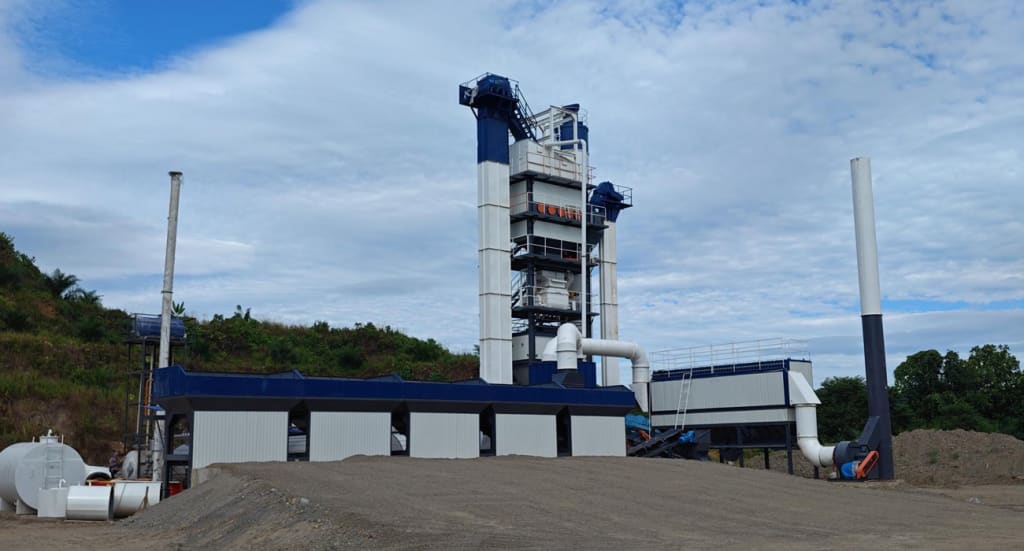
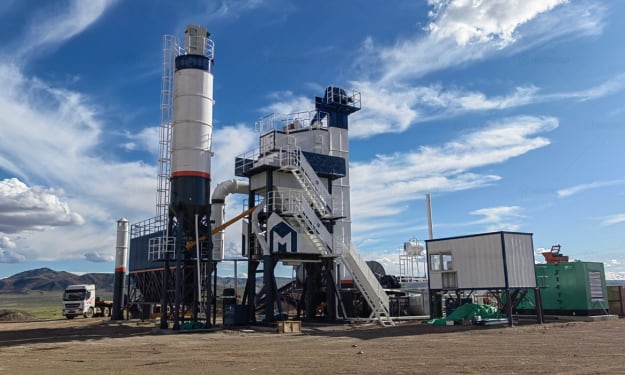
For asphalt plant buyers interested in hot mix plants, understanding how does an asphalt plant work is crucial. The core working process of a standard hot mix asphalt plant involves key phases: drying aggregates, mixing with asphalt, and storage. During daily operations, special attention must be given to specific working links to ensure stable production. This article outlines the essential steps in the process and highlights critical operational aspects that require careful monitoring.
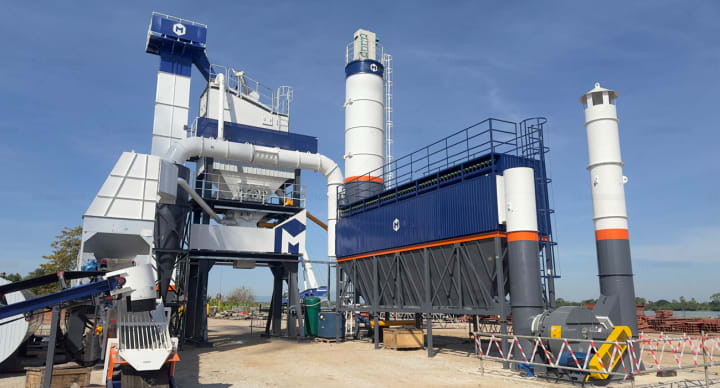
The Core Working Process of Hot Mix Asphalt Plants
The operation of a hot mix plant begins with the essential task of drying the aggregates. This step is critical as it removes moisture from materials such as sand, gravel, and crushed stone, which are necessary for producing high-quality asphalt. The drying process typically occurs in a drum dryer, where aggregates are heated to a specified temperature. The control of this temperature is vital since too much heat can lead to excessive evaporation of the asphalt binder.
Following drying, the next step involves the mixing of the dried aggregates with the asphalt binder. This mixture is crucial for achieving the desired consistency and performance of the final asphalt product. The proportion of asphalt binder to aggregates is distinct for each job and must be accurately measured to ensure quality. The mixing process takes place in a pugmill or similar equipment, designed to efficiently blend the components to create a homogeneous mixture.
Finally, once the hot mix is prepared, it is transferred to storage silos or directly to trucks for delivery. The mixing and storage stages are essential to maintain the temperature of the asphalt mix until it reaches the job site. A drop in temperature can adversely affect the asphalt's workability and performance, which is why insulated storage is often utilized.
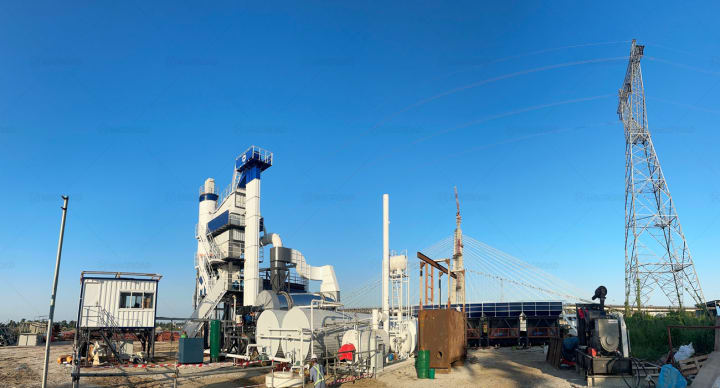
Key Operational Links: Focus Areas for Stable Production
While the core working process is crucial, there are several operational links that demand special attention to ensure stable production. One significant area is the heating and drying of aggregates. Operators should monitor the temperature closely, as fluctuations can affect the moisture content of the aggregates, resulting in inadequate mixing and poor-quality asphalt. Regular maintenance of the drum dryer is essential to prevent disruptions and ensure consistent heat application.
Another critical link is the measurement and delivery of the asphalt binder. Accuracy in this stage is vital. Any discrepancy in the amount of binder can lead to inadequate adhesion and performance issues in the final product. Utilizing automated scales and flow meters can aid in maintaining precise measurements, reducing the chances of human error. It is also advisable to maintain records of density and weight measurements for quality assurance.
Furthermore, monitoring the mixing time and speed is crucial. If the mixing time is insufficient, the aggregates may not be well-coated with asphalt, leading to compromised durability. Operators should establish standard operating procedures (SOPs) that outline optimal mixing times based on varying job requirements and regularly verify the effectiveness of these procedures through testing.
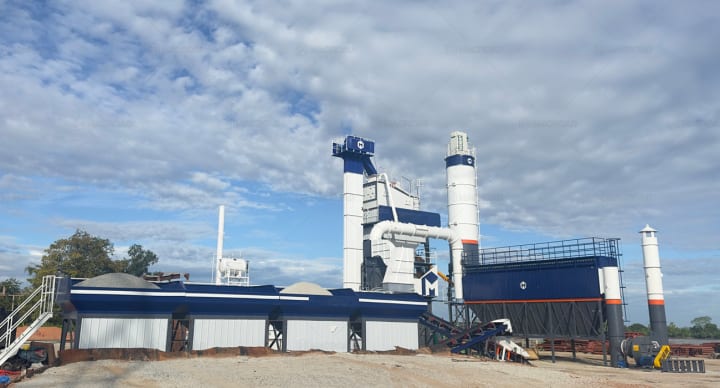
Maintenance and Equipment Checks for Optimal Performance
Lastly, regular maintenance and equipment checks are paramount for the efficient operation of hot mix asphalt plants. This includes routine inspections of the mixer, burners, and conveyors. Any wear or malfunction can lead to production delays and affect the overall quality of the asphalt. Scheduled maintenance not only extends the life of the equipment but also ensures that production remains stable.
Special attention should also be given to the calibration of instruments that monitor temperature, flow rates, and material weights. Calibration ensures that operations are functioning within the required parameters and that the asphalt produced meets quality standards. Establishing a routine maintenance schedule, along with training for operators on recognizing signs of potential issues, can further enhance the reliability of production.
Conclusion
In conclusion, understanding how does an asphalt plant work is fundamental for asphalt plant buyers focused on hot mix plants. The core working process involves the drying of aggregates, mixing with asphalt binder, and storage before delivery. Special attention to critical operational links—such as heating, measurements, and maintenance—ensures stable production and quality asphalt output. By closely monitoring these aspects, buyers can enhance the efficiency and reliability of their hot mix asphalt operations, ultimately leading to successful project completions.
About the Creator
Macroad Asphalt Plant
Macroad, a global leading manufacturer in asphalt mixing plants, offers a wide range of specifications to meet diverse project needs. Its high-quality, efficient equipment is widely applied in road construction.
Keep reading
More stories from Macroad Asphalt Plant and writers in 01 and other communities.
Configuring Asphalt Drum Mix Plants for Optimal Construction Demand
Understanding the difference between batch mix plant and drum mix plant is crucial for determining the appropriate configuration and application scenario for asphalt drum mix plant. The flexibility in production and adaptability to raw materials are key factors in this decision-making process. By evaluating these differences, construction companies can effectively match their plant configurations to various project demands, optimizing efficiency and outcomes.
By Macroad Asphalt Plant5 days ago in 01
Common AC Problems an Air Conditioning Repair Service Fixes Every Day
Air conditioning has shifted from being a luxury to a daily necessity in many parts of the world. Whether it’s a residential unit battling peak summer heat or a commercial system maintaining productivity, air conditioners are expected to perform reliably for long hours. Yet, like any mechanical system, they experience wear and tear over time.
By Jeffrey D. Gross MD6 days ago in 01


Comments
There are no comments for this story
Be the first to respond and start the conversation.