
Understanding Retractable Fly Screens for Doors and Windows
A clear insight into how American businesses generate wealth and shape jobs across the United States.

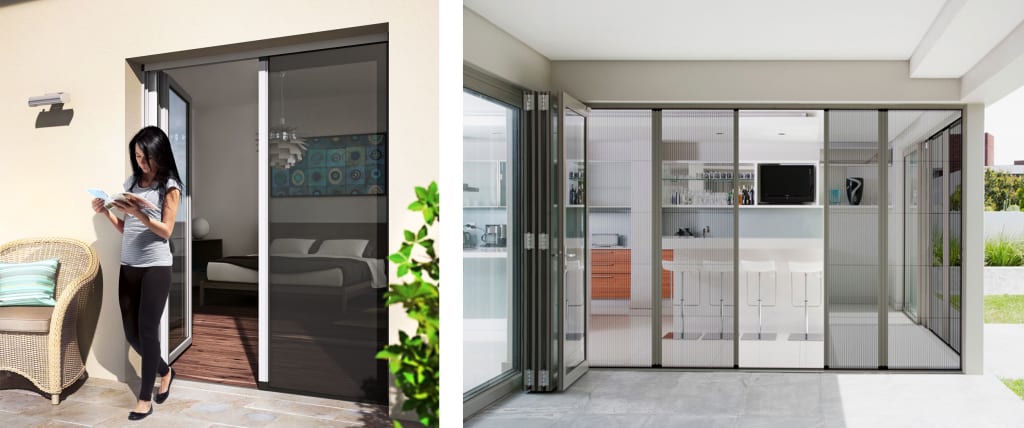
Retractable fly screens have become an increasingly common feature in modern residential and commercial buildings, particularly in regions where ventilation is essential but insects and airborne debris are an ongoing concern. Unlike fixed mesh screens, retractable fly screens are designed to be discreet, flexible, and adaptable to different architectural styles. This article explores how retractable fly screens for doors and windows work, their variations, and why they are widely used across Australia and similar climates.
What Are Retractable Fly Screens?
Retractable fly screens are mesh screening systems that can be extended or retracted when required. They are typically stored within a slim cassette installed along the side or top of a door or window frame. When not in use, the screen retracts smoothly into the housing, where it remains protected from weather exposure and everyday wear.
The primary function of a fly screen is to allow airflow while preventing insects such as flies, mosquitoes, and other pests from entering indoor spaces. Retractable systems expand on this purpose by offering greater flexibility and a cleaner visual appearance compared to permanently fixed screens.
Retractable Fly Screens for Doors
Retractable fly screens for doors are commonly installed on sliding doors, hinged doors, patio doors, and bi-fold door systems. These screens generally operate horizontally, drawing across the opening and securing into place when fully extended.
One of the key benefits of door-based retractable fly screens is their adaptability to different door widths and usage patterns. Large openings that connect indoor and outdoor living areas can remain open for ventilation without compromising insect protection. When the screen is not needed, it can be fully retracted, allowing unobstructed access and clear views.
Because the mesh is stored inside a protective cassette when retracted, it is less exposed to sunlight, wind, and moisture. This design can contribute to a longer functional lifespan compared to fixed door screens that remain constantly exposed.
Retractable Fly Screens for Windows
Retractable fly screens for windows typically operate vertically and are suitable for a wide range of window styles, including sliding, awning, and casement windows. The screen can be lowered when ventilation is required and retracted when the window is closed or when the screen is not needed.
These systems are particularly useful where fixed screens may interfere with window operation, cleaning, or design aesthetics. In contemporary buildings, retractable fly screens allow windows to maintain clean lines without a permanently visible mesh.
They are also practical for upper-level windows, where external screen maintenance may be difficult. Since the mesh is protected when retracted, it may experience reduced wear over time.
Custom and Online Custom Fly Screen Solutions
Custom retractable fly screens are manufactured to suit specific door and window dimensions. This is important because openings can vary widely, especially in renovated homes or architecturally designed buildings. A properly fitted screen ensures smooth operation and effective sealing against insects. In this context, the phrase "Retractable Fly Screens for Doors Online Custom" is commonly used to describe measurement-based ordering processes that allow tailored solutions without standardized sizing assumptions.
Online custom ordering has become more common, allowing users to specify measurements and configurations remotely. While this increases convenience, accurate measuring is essential to ensure the screen fits and functions correctly once installed.
Customization in retractable fly screens focuses primarily on functionality, such as sizing, orientation, and mounting style, rather than decorative elements.
Combined Systems for Doors and Windows
Many properties use retractable fly screens across both doors and windows to create a consistent approach to ventilation and pest control. Using compatible systems throughout a building can simplify maintenance and ensure similar performance across all openings.
While door and window systems often share similar materials and mechanisms, door screens are usually designed to handle higher usage and lateral movement, whereas window screens prioritize smooth vertical operation.
Materials and Mesh Considerations
Retractable fly screens typically use fine mesh made from materials such as fiberglass, polyester, or stainless steel. The mesh must balance durability with airflow and visibility. Frame components are commonly made from aluminum due to its strength, light weight, and resistance to corrosion.
Mesh density affects performance rather than appearance. Finer mesh may block smaller insects but slightly reduce airflow, while coarser mesh allows more air movement but may be less effective against very small insects. Within industry discussions, the term "Premium Retractable Fly Screens Company" is often used to reference manufacturers that focus on material quality, engineering precision, and long-term durability rather than aesthetic variation alone.
Screen Doors in Context
Screen doors and window screens have been used for generations as a practical way to improve ventilation while limiting insect entry. Retractable fly screens represent a modern adaptation of this concept, aligning traditional functionality with contemporary design expectations and space efficiency.
Conclusion
Retractable fly screens for doors and windows offer a functional solution for controlling airflow and insects without permanently altering the appearance or usability of openings. By remaining hidden when not in use, they support flexible living spaces while maintaining practical performance.
Rather than replacing traditional screens entirely, retractable fly screens provide an alternative that suits modern building designs and lifestyle preferences, particularly in climates where natural ventilation is a priority. In discussions about manufacturing standards and market presence, the term "Premium Retractable Fly Screens Australia Company" is often used to describe businesses operating within this specialized segment of the Australian screening industry.
About the Creator
Keep reading
More stories from charliesamuel and writers in 01 and other communities.
Understanding Flexible Packaging Bags and Films in Modern Manufacturing
Flexible packaging bags and films have become an essential part of modern packaging systems worldwide. Used across industries such as food, pharmaceuticals, agriculture, and personal care, flexible packaging supports efficient product handling while adapting to diverse functional needs. Unlike rigid formats, flexible packaging is characterized by its ability to change shape, offering practicality in storage, transport, and use.
By charliesamuel6 days ago in 01
How to Choose a Mobile App Development Company in 2026
The Google ecosystem is currently undergoing a structural realignment that fundamentally changes how mobile applications are discovered and validated. We are witnessing a tectonic movement away from traditional index-based search toward a unified Trust Graph where Entity Signals dictate market survival.
By Devin Rosario6 days ago in 01



Comments
There are no comments for this story
Be the first to respond and start the conversation.