
Understanding Gas Fees: Why Ethereum Transactions Can Be Expensive
By Jay Phoenix
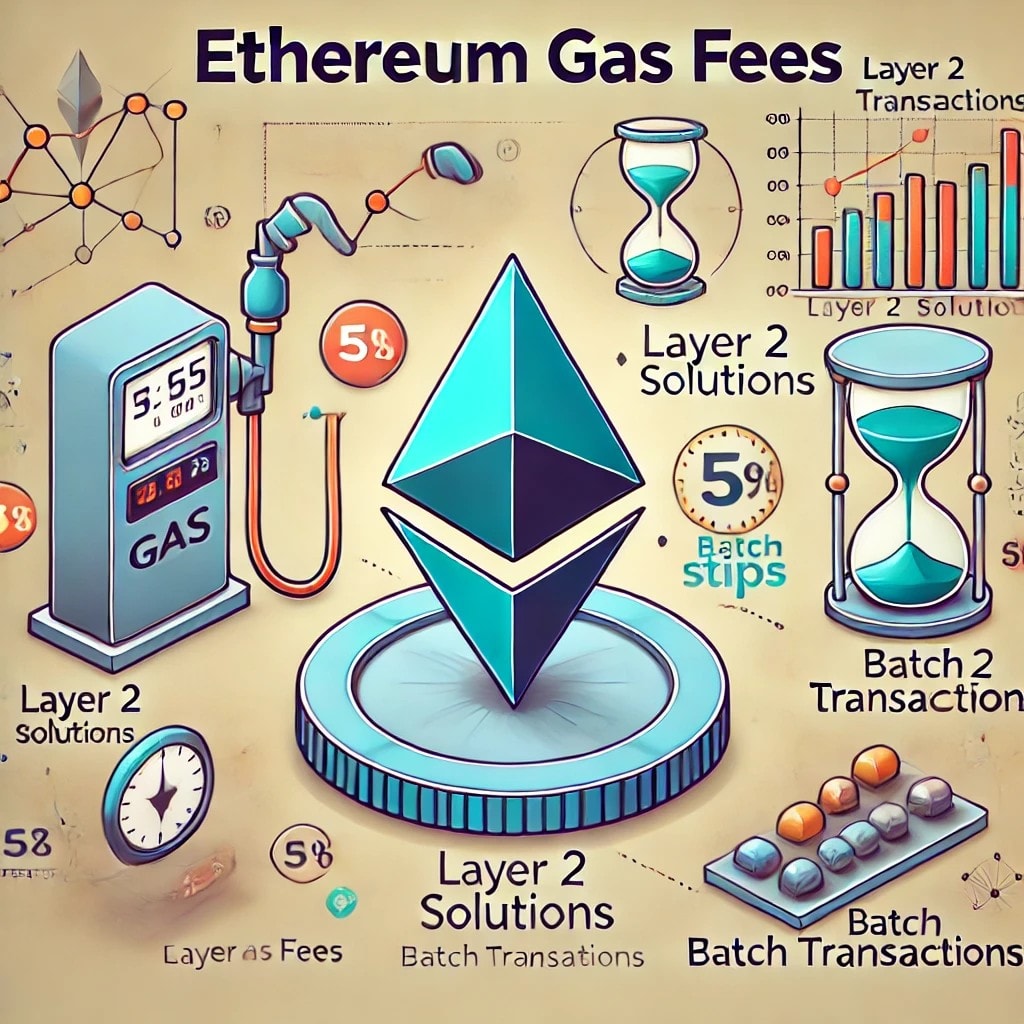
If you’ve ever tried to send Ethereum or interact with a decentralized application (dApp), you’ve likely encountered gas fees. And let’s be honest, sometimes those fees feel sky-high. But what are gas fees, why do they fluctuate so much, and is there any way to reduce them?
In this guide, we’ll demystify gas fees, explain why Ethereum transactions can get expensive, and offer tips on how to manage or minimize these costs.
What Are Gas Fees?
Gas fees are transaction costs paid to process operations on the Ethereum blockchain. Think of gas as the fuel that powers the Ethereum network. Every action—whether sending ETH, swapping tokens on a decentralized exchange, or minting an NFT—requires computational resources. Gas fees compensate miners (or validators, post-Ethereum 2.0) for their work in processing and securing transactions.
How Do Gas Fees Work?
Gas fees are measured in gwei, which is a small fraction of an Ethereum token (1 ETH = 1 billion gwei). Here’s a simple breakdown of how they’re calculated:
Gas Units:
Every operation, like transferring ETH or interacting with a smart contract, has a specific gas cost measured in units. For instance, a simple ETH transfer might cost 21,000 gas units.
Base Fee:
Introduced in Ethereum’s EIP-1559 upgrade, the base fee is a minimum amount of gas required for a transaction. It adjusts dynamically based on network congestion.
Priority Fee (Tip):
To incentivize miners or validators to prioritize your transaction, you can include a tip. The higher your tip, the faster your transaction gets processed.
Total Gas Fee = Gas Units x (Base Fee + Priority Fee)
Why Are Ethereum Gas Fees So High?
Ethereum’s popularity and limitations often lead to high gas fees. Here are the main reasons:
Network Congestion:
Ethereum’s blockchain has a limited capacity, processing around 15-30 transactions per second. When more people use the network, demand outstrips supply, driving up fees.
Complex Smart Contracts:
Interacting with dApps or DeFi platforms often involves executing complex smart contracts, which require more computational power and higher gas fees.
Base Fee Adjustments:
Post-EIP-1559, the base fee adjusts dynamically depending on network activity. During peak times, these fees can skyrocket.
Competition:
Users often outbid one another by offering higher tips to ensure their transactions are processed quickly, further driving up costs.
Real-World Examples of Gas Fees
Let’s put this into perspective:
Simple ETH Transfer:
Gas Fee: 0.001 ETH ($3, assuming $3,000 per ETH)
Token Swap on Uniswap:
Gas Fee: 0.02 ETH ($60, depending on network activity)
Minting an NFT:
Gas Fee: 0.03 ETH ($90 or more during high congestion)
During peak times, fees can be even higher, making some activities, like minting NFTs, prohibitively expensive for casual users.
How to Reduce Gas Fees
High gas fees don’t have to break the bank. Here are some strategies to manage costs:
Time Your Transactions:
Gas fees are often lower during off-peak hours, such as weekends or late at night (UTC time).
Use Layer 2 Solutions:
Platforms like Arbitrum, Optimism, and zkSync operate on top of Ethereum, offering faster and cheaper transactions.
Optimize Gas Settings:
Use wallets like MetaMask to set custom gas fees. Be cautious not to set fees too low, or your transaction might fail.
Batch Transactions:
Some dApps allow you to bundle multiple actions into a single transaction, reducing overall gas costs.
Explore Alternative Networks:
If Ethereum’s fees are too high, consider using other blockchains like Binance Smart Chain, Solana, or Polygon for certain activities.
The Future of Gas Fees on Ethereum
Ethereum developers are actively working to address gas fee challenges. Here’s what’s on the horizon:
Ethereum 2.0:
With the transition to Proof of Stake and the introduction of shard chains, Ethereum’s capacity will increase significantly, reducing congestion and fees.
Rollups:
Rollup solutions like Optimistic Rollups and zkRollups aggregate transactions off-chain, minimizing the load on Ethereum’s mainnet.
EIP Improvements:
Future Ethereum Improvement Proposals (EIPs) will continue refining fee mechanisms to make them more predictable and affordable.
Final Thoughts
Gas fees are an unavoidable part of using Ethereum, but understanding how they work and why they fluctuate can help you navigate the network more efficiently. While high fees can be frustrating, they’re also a sign of Ethereum’s widespread adoption and robust ecosystem.
By timing transactions wisely, leveraging Layer 2 solutions, and staying informed about Ethereum’s upgrades, you can minimize costs and make the most of your crypto experience. The future looks promising as Ethereum continues to evolve, bringing lower fees and greater accessibility to users worldwide.
About the Creator
Keep reading
More stories from Jay Phoenix and writers in 01 and other communities.
Is Cryptocurrency Still a Good Investment in 2025?
The cryptocurrency market has come a long way since Bitcoin’s inception in 2009. Over the years, crypto has grown from a niche interest to a multi-trillion-dollar global phenomenon. But as we move further into 2025, many are asking: Is cryptocurrency still a good investment?
By Jay Phoenixabout a year ago in 01
Why Your AI Agents Still Can't Talk to Each Other (And How 2025 Fixed It)
Look, if you've been building AI agents lately, you know the frustration. Your shiny new LangGraph agent can't talk to your colleague's Autogen setup. Your company's chatbot lives in its own little bubble.
By Eira Wexford7 days ago in 01



Comments
There are no comments for this story
Be the first to respond and start the conversation.