
Understanding Depression and Trauma: Causes, Symptoms, and Healing
How to get rid of it.


### "Introduction" Depression and trauma are two deeply interconnected mental health conditions that affect millions of people worldwide. While depression is characterized by persistent sadness, hopelessness, and loss of interest in daily activities, trauma refers to emotional and psychological distress resulting from disturbing experiences. A person's overall well-being, relationships, and quality of life can all be significantly affected by either condition. This article provides insight into how individuals can seek help and recover from trauma and depression by examining their causes, symptoms, and healing processes. ---
## **What is Depression? **
Depression, or major depressive disorder (MDD), is a common but serious mood disorder that affects how a person feels, thinks, and behaves. It goes beyond temporary sadness and can interfere with daily functioning.
### **Causes of Depression**
Depression does not have a single cause; rather, it results from a combination of genetic, biological, environmental, and psychological factors:
1. **Biological Factors** – Imbalances in brain chemicals (neurotransmitters like serotonin, dopamine, and norepinephrine) can contribute to depression.
2. **Genetics** – A family history of depression increases the risk of developing the condition.
3. **Psychological Factors** – Low self-esteem, chronic stress, and negative thought patterns can trigger depression.
4. **Environmental Factors** – Trauma, abuse, loss of a loved one, financial struggles, and major life changes can lead to depression.
5. **Medical Conditions**: Symptoms of depression may be exacerbated by hormonal imbalances and chronic illnesses like diabetes and heart disease. ### **Symptoms of Depression**
Depression manifests differently in individuals, but common symptoms include:
- Persistent sadness, hopelessness, or emptyness - Loss of interest in hobbies and activities
- Fatigue and low energy
- Changes in appetite (overeating or undereating)
- Sleep disturbances (insomnia or excessive sleeping)
- Difficulty concentrating or making decisions
- A sense of worthlessness or a lot of guilt - Physical symptoms like headaches or digestive issues
- Suicidal or death-related thoughts ---
## **What is Trauma? **
Trauma is an emotional response to a distressing or life-threatening event, such as abuse, accidents, violence, natural disasters, or war. Trauma can lead to conditions like **Post-Traumatic Stress Disorder (PTSD)**, where the individual relives the traumatic event through flashbacks, nightmares, or severe anxiety.
### **Types of Trauma**
1. **Acute Trauma** – Results from a single distressing event (e.g., a car accident).
2. **Chronic Trauma** – Repeated and prolonged exposure to traumatic events (e.g., domestic violence).
3. **Complex Trauma** – Experiencing multiple traumatic events, typically in childhood (such as neglect or abuse). 4. **Secondary Trauma** – Emotional distress from helping or witnessing trauma in others (common in healthcare workers or first responders).
### **Symptoms of Trauma**
Trauma affects people in different ways, but common symptoms include:
- **Intrusive Memories:** Flashbacks, nightmares, or distressing thoughts about the event.
- **Avoidance:** Avoiding places, people, or activities that remind the person of the trauma.
- **Negative Changes in Thinking & Mood:** Feelings of detachment, guilt, shame, or emotional numbness.
- **Hyperarousal:** Being easily startled, irritable, or having difficulty sleeping.
- **Physical Symptoms:** Headaches, nausea, or a racing heart when reminded of the trauma.
---
## **The Link Between Depression and Trauma**
Depression is significantly influenced by trauma. Many individuals who experience trauma develop depressive symptoms due to the overwhelming stress and emotional pain. Key connections include:
- **Chronic Stress:** Trauma triggers prolonged stress responses, altering brain chemistry and increasing depression risk.
- **Emotional Pain:** Unresolved trauma can lead to feelings of hopelessness and despair, contributing to depression.
- **Self-Blame & Guilt:** Survivors of trauma may blame themselves, leading to depressive thoughts.
- Isolation: Trauma can cause people to withdraw from social support, which makes their symptoms of depression worse. ---
## **Healing from Depression and Trauma**
Recovery from depression and trauma is possible with the right support and treatment. Here are some effective approaches:
### **1. Psychotherapy (Talk Therapy)**
- **Cognitive Behavioral Therapy (CBT):** Helps individuals reframe negative thought patterns.
- **Trauma-Focused Therapy:** Techniques like **EMDR (Eye Movement Desensitization and Reprocessing)** help process traumatic memories.
- **Dialectical Behavior Therapy (DBT):** Useful for managing intense emotions and improving coping skills.
### **2. Medication**
- Antidepressants (e.g., SSRIs) can help regulate brain chemicals.
- Anti-anxiety medications may assist with trauma-related anxiety.
### **3. Lifestyle adjustments** - **Exercise:** Boosts mood by releasing endorphins. - **Healthy Diet:** Nutrient-rich foods support brain health.
- **Sleep Hygiene:** Proper rest is crucial for emotional regulation.
### **4. Social Support**
- Connecting with loved ones or support groups reduces isolation.
- Getting support from others who have been through trauma can help heal. ### **5. Mindfulness & Relaxation Techniques**
- Meditation, deep breathing, and yoga help manage stress and anxiety.
- Grounding techniques can help during flashbacks or panic attacks.
### **6. Professional Assistance** - Seeking a therapist or psychiatrist ensures structured treatment.
- Crisis hotlines (e.g., National Suicide Prevention Lifeline) provide immediate support.
---
## **Conclusion**
Depression and trauma are complex conditions that require understanding, compassion, and professional intervention. While they can feel overwhelming, recovery is possible with therapy, medication, lifestyle adjustments, and strong support systems. Reaching out for assistance is the first step toward healing if you or someone you know is struggling. Remember: **You are not alone, and healing is possible. **
About the Creator
Jahin Khan
Welcome to my profile.I share ai technology,health tips,horror stories and other. Stay updated with seo friendly,informative and many other trending content.
Keep reading
More stories from Jahin Khan and writers in 01 and other communities.
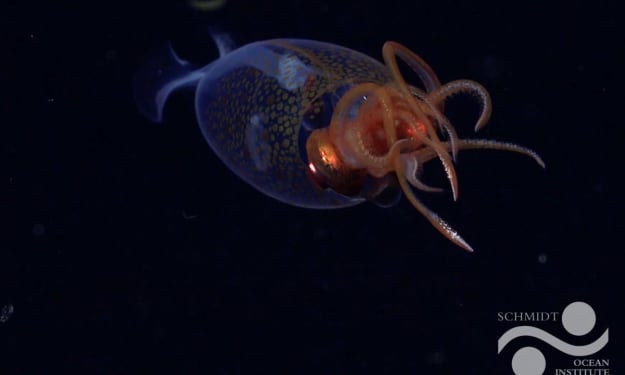
Colossal squid first time caught on camera in the deep sea
The massive squid has been one of the most elusive and mysterious creatures in the ocean for centuries. Known for its enormous size, powerful tentacles, and deep-sea habitat, this legendary cephalopod has rarely been observed alive in its natural environment. However, in a groundbreaking discovery, researchers have successfully captured the first-ever live footage of a colossal squid in the deep sea—a momentous achievement in marine biology.
By Jahin Khan10 months ago in History
iPhone 18 Pro & Pro Max: The 10 Biggest Leaks and Rumors You Need to Know
So, here we are in 2026, summer is almost in the rear-view mirror, and that can only mean one thing: Apple season is right around the corner. A brand-new iPhone is coming, and more importantly, a brand-new iPhone 18 Pro and iPhone 18 Pro Max are nearly here.
By Bella Anderson7 days ago in 01



Comments
There are no comments for this story
Be the first to respond and start the conversation.