
Turkish Traditional Food: 10 Best Dishes
Turkish Traditional Food
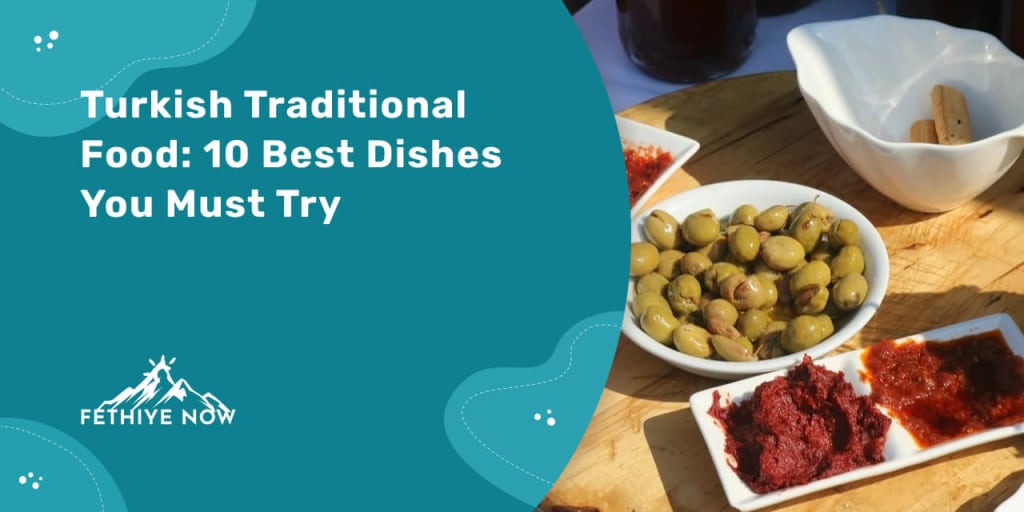
Turkey, straddling both Europe and Asia, is renowned for its rich culinary heritage influenced by a myriad of cultures. Its traditional dishes are celebrated worldwide for their vibrant flavors, diverse ingredients, and cultural importance.
From savory kebabs to delectable desserts, Turkish cuisine presents a delightful array of tastes that showcase the country’s unique fusion of Eastern and Western influences.
Let’s dive into ten must-try traditional dishes that define Turkish cuisine.
1. Kebab (Kebap)
Overview of Kebabs in Turkish Cuisine
Kebab is one of the most iconic Turkish dishes globally. The term “kebab” generally refers to grilled or skewered meats, but the styles and flavors vary widely across regions, each offering a unique twist on this beloved dish.
Types of Kebabs
Şiş Kebab: Tender pieces of lamb or chicken skewered and grilled over an open flame.
Adana Kebab: A spicy ground lamb kebab mixed with red pepper flakes, originating from Adana.
İskender Kebab: Thin slices of döner (rotating roasted meat) served over pita bread, topped with yogurt, tomato sauce, and sizzling butter.
Cultural Significance
Kebabs hold a deep cultural history in Turkey, often enjoyed during special gatherings and celebrations. The art of kebab making is passed down through generations, preserving the rich culinary traditions of the region.
2. Börek
What is Börek?
Börek is a savory pastry made from layers of thin dough (yufka), filled with ingredients such as cheese, minced meat, spinach, or potatoes. Baked to perfection, it boasts a crispy, flaky exterior and a soft, flavorful filling.
Different Types of Börek
Su Böreği: Soft and tender, made by boiling the dough sheets before layering.
Sigara Böreği: Small, cigar-shaped rolls filled with feta cheese and herbs.
Tepsi Böreği: A large, tray-baked börek, often sliced into squares or triangles.
Historical Roots
Originating from the Ottoman era, börek has been a beloved street food for centuries, commonly served during breakfast or as a snack with tea.
3. Manti
Turkish Dumplings: Manti
Manti are small Turkish dumplings filled with ground lamb or beef, typically served with a garlic yogurt sauce and melted butter infused with paprika. These delicate, handmade dumplings require skill and patience to prepare.
Regional Variations
While most manti are tiny, regions like Kayseri are known for producing exceptionally small dumplings, aiming to fit several into a single spoon.
A Comforting Dish
Manti is a popular comfort food in Turkey, often enjoyed during family gatherings or special occasions. Its hearty and rich flavor makes it a beloved staple in Turkish households.
4. Lahmacun
What is Lahmacun?
Often referred to as Turkish pizza, lahmacun is much lighter and spicier than its Western counterpart. It consists of a thin, crispy dough topped with a mixture of minced meat, onions, tomatoes, and various herbs and spices.
How to Enjoy Lahmacun
Traditionally, lahmacun is served with a side of fresh salad. People roll it up with lettuce, parsley, and a squeeze of lemon for an extra burst of freshness.
A Street Food Favorite
Lahmacun is popular street food in Turkey, often sold in small shops and by street vendors. It’s an affordable and quick meal that satisfies both locals and tourists.
5. Meze
Introduction to Meze
Meze refers to an array of small dishes served as appetizers or side dishes. These bite-sized portions are enjoyed alongside drinks, usually rakı (an anise-flavored alcoholic beverage). Meze plates offer a variety of flavors, from fresh salads to rich dips.
Popular Meze Dishes
Hummus: A creamy dip made from chickpeas, tahini, lemon juice, and garlic.
Haydari: A thick yogurt-based dip with garlic, dill, and olive oil.
Patlıcan Salatası: A smoky roasted eggplant salad.
The Social Aspect of Meze
Meze is not just about the food but also the experience of sharing a meal with friends and family. It’s a central part of Turkish social dining, where conversations and laughter flow as freely as the dishes.
About the Creator
Keep reading
More stories from writers in 01 and other communities.




Comments