
Trump's Iran Nuclear Diplomacy Needs Major Concessions to Go Beyond Previous Pact
Why a new Iran nuclear deal under Trump must be tougher broader and built to last beyond past diplomatic failures.

Trump's Iran Nuclear Diplomacy Needs Major Concessions to Go Beyond Previous Pact
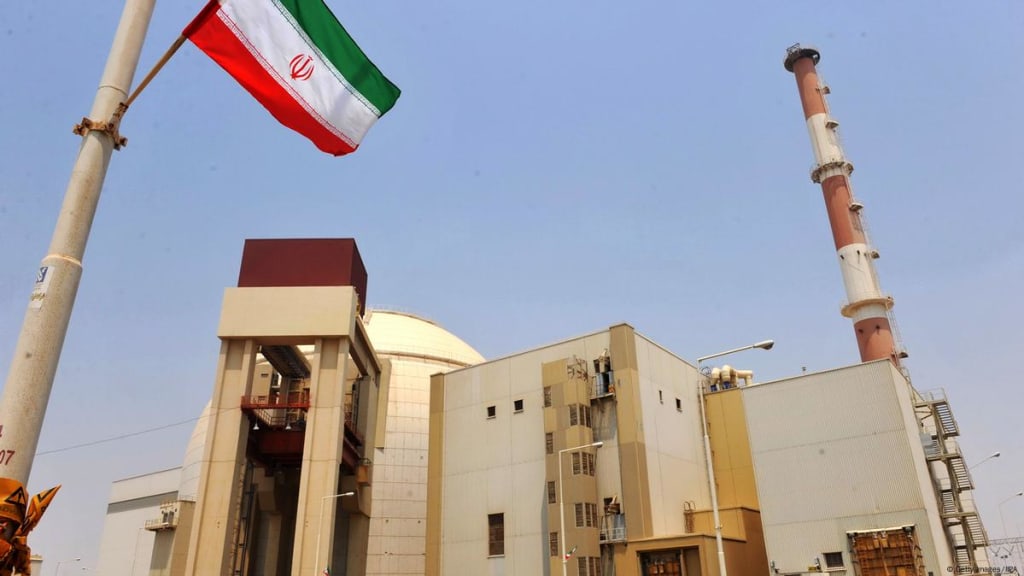
As former President Donald Trump re-enters the global political spotlight and signals a possible return to nuclear diplomacy with Iran many analysts and foreign policy experts agree: any new deal must demand major concessions from Tehran if it is to surpass the shortcomings of the 2015 Joint Comprehensive Plan of Action. The JCPOA signed during the Obama administration and later abandoned by Trump in 2018 was a significant diplomatic breakthrough aimed at limiting Iran’s nuclear capabilities in exchange for sanctions relief. However critics including Trump himself argued that the agreement was too narrow in scope, failed to prevent Iran’s long term nuclear ambitions and ignored Tehran’s ballistic missile development and regional military interventions. Now with diplomatic efforts reportedly underway again in 2025 the stakes are higher than ever.
Why the JCPOA Was Insufficient
The JCPOA imposed strict limits on Iran's uranium enrichment reduced its stockpile of fissile material and subjected the country to International Atomic Energy Agency (IAEA) inspections. However these limitations were time bound with many restrictions expiring after 10 or 15 years. It also didn’t address Iran’s regional influence operations its missile program, or its human rights abuses. Trump called it a disastrous deal and withdrew the U.S. from it reimposing tough economic sanctions. While this move increased pressure on Iran economically it also prompted Tehran to ramp up its nuclear activity reduce cooperation with international inspectors and increase regional aggression through proxies in Syria Lebanon and Yemen.
In 2025 amid rising global instability and economic turmoil reports suggest that Trump is considering reviving diplomatic efforts with Iran. But this time U.S officials insist that any new agreement must go beyond the JCPOA. The U.S. wants a more permanent restriction on nuclear enrichment more invasive inspections a halt to Iran’s ballistic missile testing and a reduction in its military involvement across the Middle East. These are not minor requests. For Ira conceding on these issues would mean scaling back some of its most strategically valuable tools. Yet without these concessions any agreement would likely face strong opposition in Washington and Tel Aviv.
Iran’s Nuclear Progress Since 2018
Since the U.S. exit from the JCPOA Iran has resumed higher levels of uranium enrichment some close to weapons grade. Iran insists that its nuclear program remains peaceful but international observers have grown increasingly concerned about its intentions. The threat of Iran developing a nuclear weapon has prompted both Israel and Gulf Arab states to push for a more robust agreement one that doesn’t just delay Iran’s capabilities but dismantles them completely.
The Role of U.S. Leverage
Trump’s 2018 maximum pressure campaign crippled Iran’s economy. Its currency plummeted inflation soared and foreign investment disappeared. These sanctions remain a powerful bargaining chip. If Iran wants sanctions relief it must show a willingness to compromise. However Iran is also wary of American trustworth having already experienced the U.S. abandoning the JCPOA after a change in administration. To overcome this mistrust any future deal must include ironclad guarantees enforceable through international mechanisms ensuring continuity regardless of political shifts in Washington.
Ballistic Missiles and Proxy Wars
Another critical component of Trump’s proposed strategy is to include Iran’s missile program in negotiations. Under the JCPOA missile development was not addressed a loophole Iran took advantage of to expand its arsenal. Similarly Iran’s influence across the region via Hezbollah in Lebanon militias in Iraq the Houthis in Yemen and its role in Syria poses an ongoing threat to U.S allies. A comprehensive deal would need to require Iran to scale down these operations a condition that Tehran may fiercely resist. For Trump’s diplomacy to succeed it will need the support of other global powers particularly the European Union China and Russia. While all these nations have their own interests in the region their cooperation is essential in enforcing a new deal and ensuring Iran’s compliance. Moreover Israel and Saudi Arabia must be kept closely informed and reassured especially given their security concerns. Trump’s vision for a nuclear deal with Iran may yet offer a path to greater regional stability but only if it goes well beyond the original JCPOA. That will require bold diplomacy detailed verification protocols and significant Iranian concessions. Tehran must be convinced that the benefits of cooperation outweigh the costs of resistance. A deal is possible but only if both sides are willing to make painful strategic compromises. For now the world watches and waits.
About the Creator
Adnan Rasheed
Author & Creator | Writing News , Science Fiction, and Worldwide Update| Digital Product Designer | Sharing life-changing strategies for success.
Keep reading
More stories from Adnan Rasheed and writers in 01 and other communities.
Why Anti Trump Protests Are Growing in 2025 What Newly Alarmed Americans Need to Know.
Why Anti Trump Protests Are Growing in 2025 at Newly Alarmed Americans Need to Know. As the political climate in the United States becomes increasingly polarized anti Trump protests are regaining momentum targeting not just die hard opponents of the former president but also the newly alarmed those who may have previously supported Donald Trump or remained politically indifferent but are now questioning his influence over American democracy. Over the past few months rallies and marches have unfolded in major cities like New York Washington D.C Chicago and Los Angeles. Protestors are carrying signs reading Democracy is not for sale and No to Authoritarianism a stark reflection of growing concerns surrounding Trump’s rhetoric his 2024 presidential campaign and his ongoing legal battles. These events while familiar in their structure are distinct in their purpose they aim to reach individuals who are only now beginning to worry about Trump’s impact on democratic institutions.
By Adnan Rasheed12 months ago in 01
A Bird’s-Eye View of the World
Photography has always been a powerful way to capture the beauty of the world, but when the camera rises above the ground, a completely new perspective emerges. Aerial photography—often described as seeing the world through a “bird’s-eye view”—offers breathtaking images that reveal patterns, landscapes, and details invisible from the ground. From vast deserts and winding rivers to bustling cities and remote villages, images taken from above transform ordinary scenes into extraordinary works of art.
By Irshad Abbasi about 8 hours ago in 01
The Role of AI Agents in Modern Enterprise Automation Strategies
AI is transforming how work gets done in enterprises, but it won’t replace humans outright. Instead, employees who leverage AI effectively will outpace those who don’t. Modern automation has evolved beyond simple scripts and scheduled tasks, introducing intelligent software capable of making decisions, interacting with systems, and completing meaningful work independently.
By Swiftproxy5 days ago in 01
The Forsyth House Fire
Since 1851, Forsyth House has stood on the corner of Union Street and Gordon Street in the heart of Glasgow. Its iconic, or was... because on Sunday 8th of March, 2026, a fire broke out in a small, seemingly un-named shop in the building and tore all that history down. As I write, the rubble is still unsettled and the street is still blocked off. Central Station is quiet on the upper level, and around 30 small businesses have quite literally gone up in smoke.
By S. A. Crawford3 days ago in The Swamp


Comments
There are no comments for this story
Be the first to respond and start the conversation.