
Trump Expresses Discontent Over Russian Strikes on Kyiv Amid Global Outcry
Not Happy Trump Responds to Escalating Violence in Ukraine

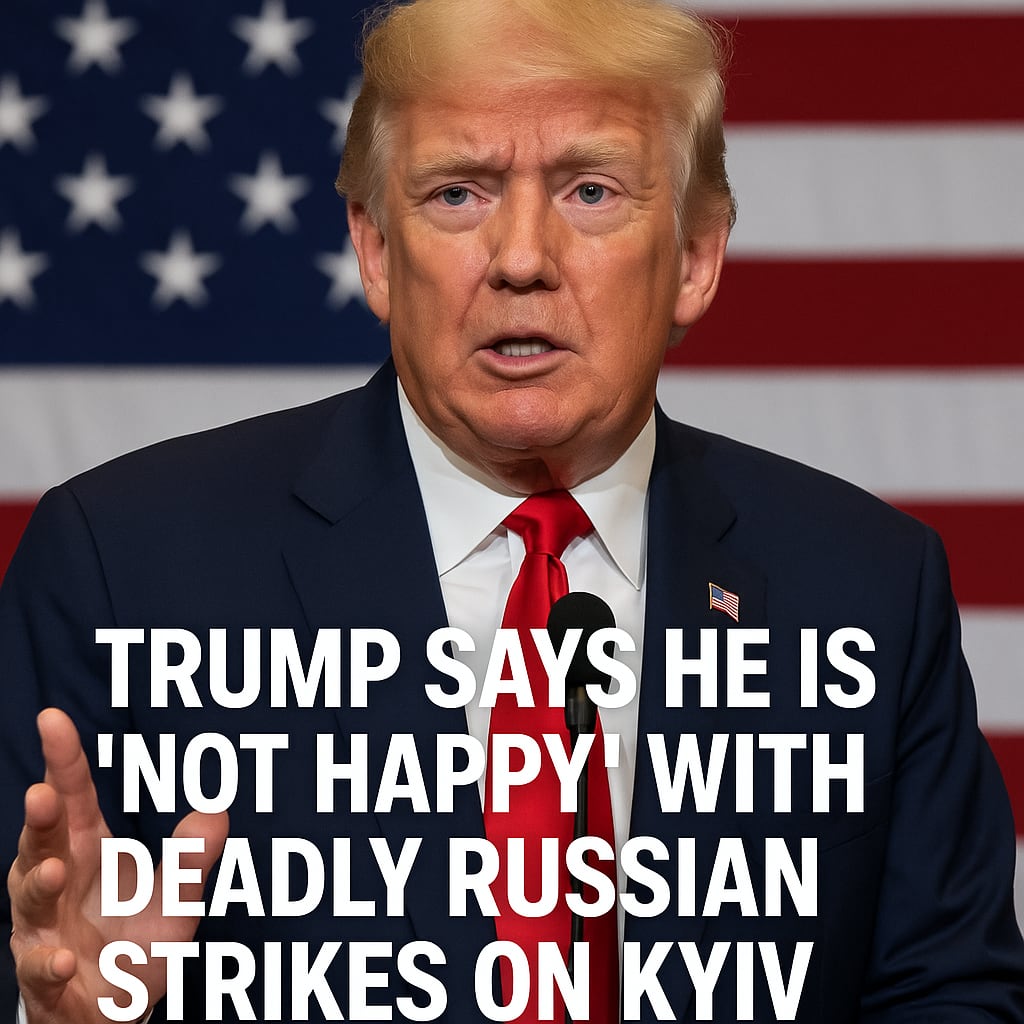
Trump Expresses Discontent Over Russian Strikes on Kyiv Amid Global Outcry
Former U.S. President Donald Trump has voiced his dissatisfaction following a series of deadly Russian airstrikes on Kyiv, the capital of Ukraine, marking another tragic episode in the ongoing conflict that has gripped Eastern Europe for over two years. Speaking at a campaign event in Pennsylvania, Trump stated he was "not happy" with the recent escalation of violence, which claimed dozens of lives and left hundreds wounded.
“I’m not happy with what’s going on in Kyiv,” Trump told reporters. "It has to stop, it's tragic, it's brutal." While Trump has often drawn criticism for his previous remarks about Russian President Vladimir Putin, this statement reflects a relatively direct condemnation of the Kremlin's recent military actions.
The Attack on Kyiv
According to Ukrainian authorities, the latest wave of missile strikes on Kyiv targeted both residential and critical infrastructure areas, including a hospital, a power station, and several apartment blocks. The Ukrainian Air Force reported that Russia launched more than 40 missiles, many of which were intercepted by air defenses, but others struck densely populated zones, causing significant casualties and destruction.
The mayor of Kyiv, Vitali Klitschko, described the strikes as "a targeted attack on civilian life," and warned that the city was entering a “dark and dangerous phase” of the war. Emergency responders worked through the night to rescue people trapped beneath rubble, as families mourned their loved ones and braced for further attacks.
Reactions from around the world The worldwide response to the incident was swift and unwavering in its condemnation. President Joe Biden called the strikes “barbaric” and pledged continued support for Ukraine, including additional military aid and humanitarian assistance. European Union leaders echoed similar sentiments, urging Russia to cease hostilities and return to peace talks.
In contrast, Trump’s statement, though critical of the violence, stopped short of directly blaming President Putin or calling for specific action. This nuanced approach reflects his long-standing tendency to maintain a somewhat ambiguous stance on Russia, a position that has drawn both praise and criticism.
Trump’s Evolving Tone on Russia
During his presidency, Trump often portrayed himself as someone who could “get along” with Putin, claiming that such a relationship was in America’s best interest. During his time in office, however, he also approved sanctions against Moscow and expelled Russian diplomats. His rhetoric regarding the conflict between Russia and Ukraine since leaving the White House has alternated between calls for diplomacy and criticisms of U.S. aid to Ukraine. However, his most recent remarks suggest a subtle shift. Although it may not sound like a strong condemnation, his statement that he is "not happy" with the Russian strikes suggests a departure from the neutral or even sympathetic tone he occasionally adopted regarding Putin's decisions. Analysts suggest that this shift might be influenced by the upcoming 2024 presidential election. As Trump campaigns for re-election, he may be seeking to appeal to a broader base, including moderate Republicans and independents who support Ukraine but also favor a less interventionist foreign policy.
Political Implications in the U.S.
Trump’s statement has sparked debate within American political circles. Democrats have criticized it as insufficiently forceful, while some Republicans welcomed it as a sign of Trump’s growing concern for global security.
Senator Lindsey Graham, a Republican known for his hawkish views, commented, “It’s good to hear President Trump express concern. But we need to do more than just say we’re not happy. We need to lead.”
On the other hand, those who back Trump say that the former president is doing a good job of striking a balance between criticism and pragmatism, avoiding inflammatory language while acknowledging the tragedy that is unfolding in Ukraine. Ukraine’s Perspective
From Ukraine’s point of view, any statement from influential global leaders matters deeply. President Volodymyr Zelenskyy, in a video address following the strikes, called on all democratic nations to “stand united” and not let Russia “terrorize peace with silence.” Despite the fact that Zelenskyy did not explicitly mention Trump, the implication was clear: Ukraine is keeping an eye on how world leaders respond, both verbally and physically. Looking Ahead
The latest attacks on Kyiv are a grim reminder that the war in Ukraine remains far from over. As international powers continue to navigate the delicate balance of diplomacy and defense, leaders like Donald Trump are being closely scrutinized for their positions.
It remains to be seen whether Trump's comment about being "not happy" indicates a more fundamental shift in his stance regarding foreign policy. But with geopolitical tensions rising and the 2024 election approaching, every word carries weight — especially when spoken by a man who may soon return to the world’s most powerful office.
About the Creator
Sabrina
A curious soul weaving words across emotions, ideas, and the world around us. Her writing seeks meaning in the everyday and beauty in the untold.
The Message on Her Phone
The Night Everything Changed In 2023, Arjun believed his life was finally stable after years of struggle, because he had a steady job, a comfortable apartment, and a wife he trusted completely, yet what he did not realize was that the device sitting quietly on the kitchen table that night would reveal a truth he had never imagined facing. The evening had been ordinary, filled with routine conversations about groceries, work stress, and weekend plans, and nothing about the calm atmosphere hinted that within minutes his entire perception of his marriage would begin to collapse.
By The Curious Writer3 days ago in 01




Comments
There are no comments for this story
Be the first to respond and start the conversation.