
Traditional Russian Clothing: A Colorful Journey Through Culture and History
Traditional Russian Clothing: A Colorful Journey Through Culture and History
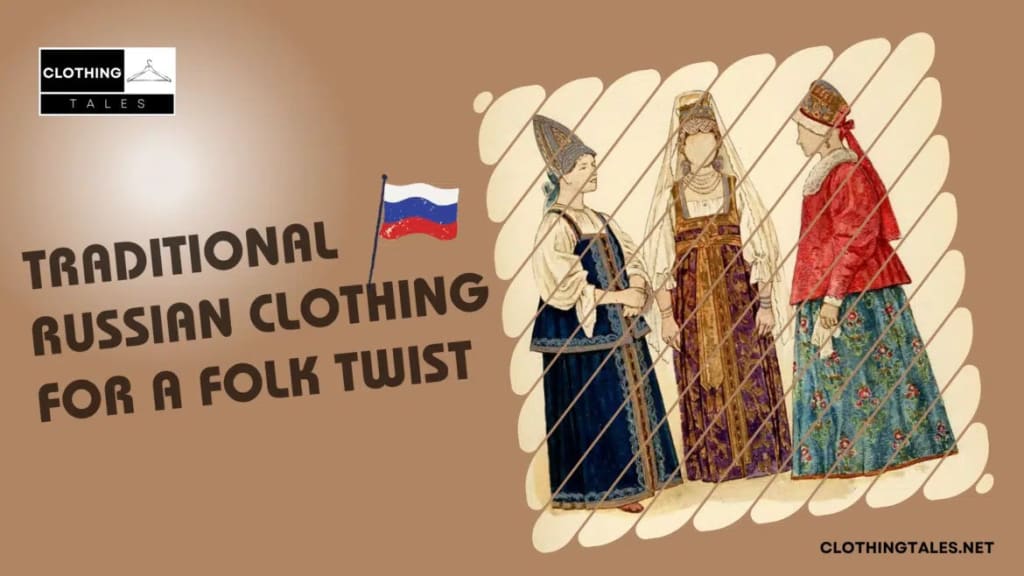
Russia, a land of vast landscapes and rich history, has long been admired for its vibrant and symbolic fashion heritage. Traditional Russian clothing is more than just attire—it’s a tapestry of cultural identity, regional influences, and centuries-old customs. From the rural peasantry to aristocratic courts, these garments tell stories of climate, class, and creativity.
In this blog, we explore the fascinating world of traditional Russian clothing, diving deep into its origins, evolution, and enduring legacy.
A Historical Overview of Traditional Russian Clothing
Before Russia’s modernization in the 18th and 19th centuries, the clothing worn by its people was deeply rooted in practicality, religion, and folklore. Most traditional outfits were designed to accommodate the country’s harsh winters while also reflecting social status and religious values.
Clothing styles varied significantly between regions, but certain core garments remained staples across much of the country. These included the sarafan, kaftan, rubakha, and richly embroidered accessories. Despite regional differences, all styles of traditional Russian clothing carried symbolic meanings, often embedded in color, stitching, and fabric.
Key Elements of Traditional Russian Clothing
Let’s take a closer look at some of the most iconic garments and accessories found in traditional Russian clothing.
1. Sarafan (Сарафан)
The sarafan is perhaps the most recognizable piece of traditional female attire in Russia. This long, sleeveless jumper dress was worn over a blouse or shirt called a rubakha. Originating around the 14th century, the sarafan became especially popular in northern Russia.
Materials: Made from linen or cotton for everyday wear and silk or brocade for festive occasions.
Design: Often embellished with embroidery, lace, or colorful ribbons.
Symbolism: Patterns and colors varied by region and marital status. Red was considered protective and symbolic of beauty and life.
2. Rubakha (Рубаха)
The rubakha was a long tunic-like shirt worn by both men and women. Women's versions were typically worn underneath a sarafan, while men's were paired with trousers.
Fabric: Usually linen or hemp, breathable and perfect for both warm and cold climates.
Embellishment: Featured hand embroidery at the cuffs, neckline, and hem. These decorations often carried protective meanings or reflected the wearer’s local traditions.
3. Kaftan and Zipun
Worn by both genders, the kaftan is a long coat-like garment, often tailored and layered during winter months. The zipun, a type of tight-fitting coat, became common among the merchant class and nobility.
Function: Offered warmth, and the layers represented wealth or status.
Style: Often closed with buttons or ties and decorated with fur, velvet, or gold thread.
4. Kokoshnik (Кокошник)
This ornate headdress is an iconic symbol of traditional Russian clothing for women. It was particularly popular among the nobility and during festive events.
Structure: Stiffened fabric often adorned with pearls, beads, and embroidery.
Design: Regional differences affected the shape—rounded, pointed, or comb-like.
Cultural Value: Worn during weddings and important ceremonies, symbolizing femininity and honor.
5. Valenki and Lapti
Footwear in traditional Russian attire was as practical as it was regional.
Valenki: Felt boots made of wool, ideal for the freezing Russian winters.
Lapti: Shoes woven from birch bark, typically worn by peasants in warmer months.
Though simple, these shoes were vital parts of everyday traditional Russian clothing and represented the rural lifestyle of many citizens.
The Role of Embroidery and Symbolism
In traditional Russian fashion, embroidery was not just decorative—it carried profound meanings. Motifs often included geometric shapes, birds, flowers, and the sun. These designs served as talismans to protect the wearer from evil spirits and misfortune.
Each region had its own embroidery techniques and patterns, passed down through generations. The colors used also held significance:
Red: Life, health, and protection.
White: Purity and light.
Black: Earth and grounding forces.
The richness of embroidery in traditional Russian clothing reveals the spiritual and communal values embedded in Russian society.
Men’s Traditional Russian Clothing
While women’s attire often garners the most attention due to its intricate detail and vibrant style, men’s traditional clothing also reflects Russian heritage.
Kosovorotka: A men’s shirt with a slanted collar, traditionally worn with a belt. It was both practical and symbolic.
Sharovary: Wide trousers tucked into boots, ideal for horseback riding and farm work.
Kaftans and Fur Hats: Noblemen wore long kaftans with ornate buttons and fur hats that signified wealth and status.
Much like women's clothing, traditional Russian clothing for men combined utility with cultural significance.
Traditional Russian Clothing in Festivals and Ceremonies
Traditional garments are still seen today during religious festivals, folk dances, and historical reenactments. Weddings are a prominent occasion where traditional attire shines, particularly the kokoshnik and richly decorated sarafans.
In rural areas and cultural centers, people wear these garments during:
Maslenitsa (Russian Carnival)
Ivan Kupala Night
Orthodox holidays
National Folk Dance performances
These moments offer a living window into the past, celebrating the spirit of traditional Russian clothing in modern times.
Influence on Modern Fashion
Today, designers across the globe have drawn inspiration from Russian traditional dress. Fashion houses such as Ulyana Sergeenko and Valentin Yudashkin have modernized the silhouettes of sarafans and kaftans, incorporating folk motifs into couture lines.
High fashion, streetwear, and even winter sports apparel have borrowed elements from traditional Russian clothing, proving that its influence is timeless.
Preserving the Legacy of Traditional Russian Clothing
Museums like the State Historical Museum in Moscow and ethnographic centers across Russia work tirelessly to preserve this cultural treasure. Artisans continue to handcraft garments using ancient methods, keeping the traditions alive.
Moreover, online platforms and global cultural festivals offer audiences a chance to explore traditional Russian clothing in both educational and aesthetic contexts.
Final Thoughts
Traditional Russian clothing is a rich tapestry of history, climate, art, and spirituality. From the elegant kokoshniks of noblewomen to the humble rubakhas of rural peasants, every thread tells a story.
At Clothing Tales, we believe clothing is a powerful expression of identity. Russia’s traditional attire stands as a vibrant reminder of how culture and fashion intersect. Whether you're a history enthusiast, fashion lover, or curious traveler, exploring the world of traditional Russian clothing is like stepping into a living museum—beautiful, intricate, and endlessly fascinating.
About the Creator
Keep reading
More stories from hamza awan and writers in 01 and other communities.
Mastering the Tricep Curl: Your Complete Guide to Stronger Arms
When it comes to building defined and powerful arms, most people tend to focus on biceps. But did you know your triceps make up nearly two-thirds of your upper arm? If you're serious about arm gains, triceps deserve your attention—and one of the most effective yet underrated exercises is the tricep curl.
By hamza awan9 months ago in 01
Native vs Cross Platform Mobile App Development 2026
Google’s January 2026 Core Update has fundamentally rewired how the ecosystem perceives mobile applications. The search engine has transitioned from traditional indexing to a complex system of Authority Validation.
By Del Rosarioabout 23 hours ago in 01
How to Choose the Best Mobile App Development Company in Canada 2026
Choosing the right app development partner in 2026 isn’t just a procurement decision—it’s a strategic move that can define whether your digital product scales or stalls. The Canadian tech ecosystem has matured rapidly, with agencies offering everything from rapid MVP builds to enterprise-grade platforms powered by AI and cloud-native architectures.
By alan michael5 days ago in 01




Comments
There are no comments for this story
Be the first to respond and start the conversation.