
Mastering the Tricep Curl: Your Complete Guide to Stronger Arms
Mastering the Tricep Curl: Your Complete Guide to Stronger Arms
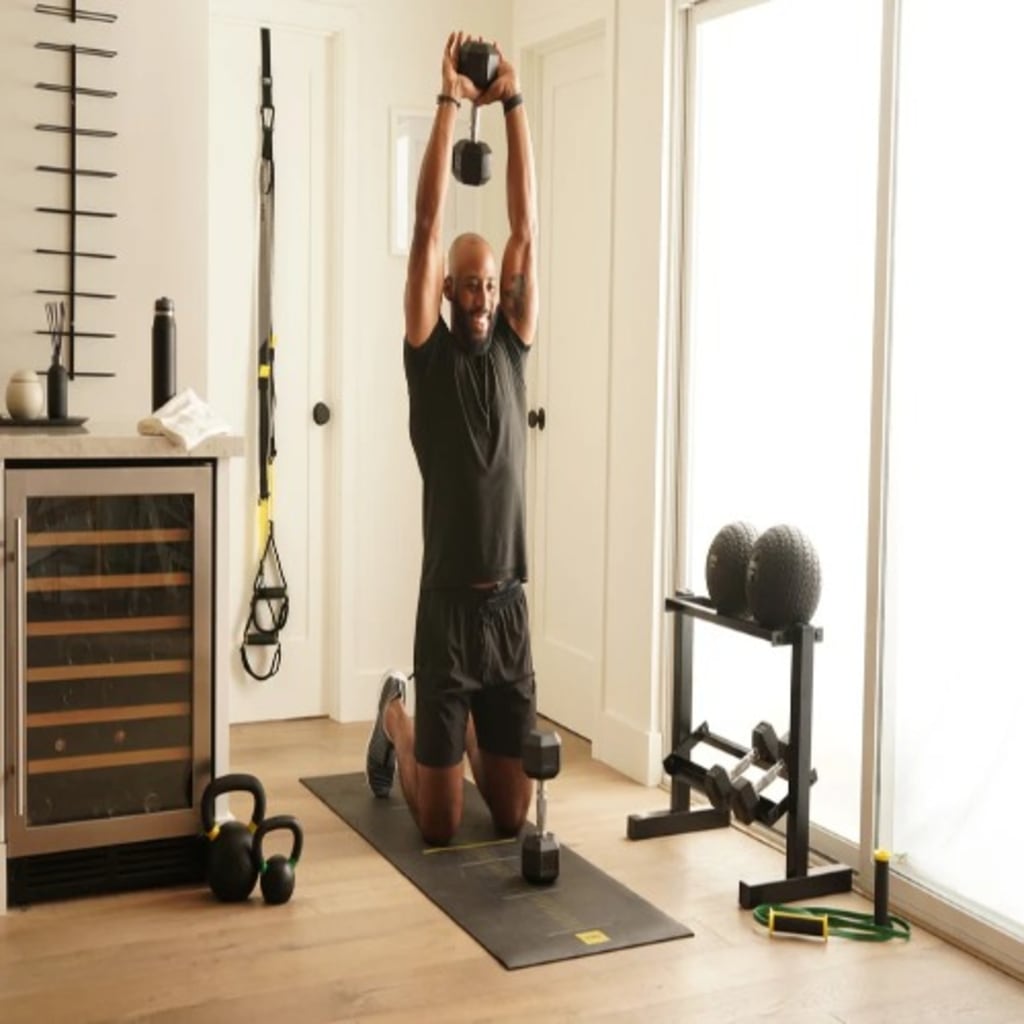
When it comes to building defined and powerful arms, most people tend to focus on biceps. But did you know your triceps make up nearly two-thirds of your upper arm? If you're serious about arm gains, triceps deserve your attention—and one of the most effective yet underrated exercises is the tricep curl.
In this comprehensive guide, we'll break down what the tricep curl is, how to do it correctly, its benefits, variations, and tips to maximize your results.
What is a Tricep Curl?
The tricep curl, often confused with the tricep extension, is a targeted strength-training exercise that isolates the triceps brachii—the large muscle on the back of your upper arm. This movement involves bending and extending the elbow to engage the triceps with resistance.
While the term “curl” is traditionally associated with bicep exercises, in this context, it refers to a reverse movement focusing on the triceps. It’s often performed using dumbbells, cables, or resistance bands, and can be done standing, seated, or lying down.
Benefits of the Tricep Curl
Incorporating tricep curls into your routine offers numerous advantages:
Improved Arm Definition
Building your triceps gives your arms that toned, horseshoe-shaped look. It adds size and shape to the upper arms, creating a balanced physique.
Enhanced Upper-Body Strength
The triceps assist in compound lifts like the bench press, overhead press, and push-ups. Strong triceps = better performance.
Injury Prevention
Strengthening the triceps supports the elbow joint and helps reduce the risk of strain or injury, especially for athletes.
Functional Fitness
Everyday movements such as pushing a door, lifting a suitcase, or getting up from the floor rely on tricep strength.
Muscles Worked in a Tricep Curl
The primary muscle targeted is the triceps brachii, which consists of three heads:
Long Head
Lateral Head
Medial Head
Secondary muscles engaged include:
Deltoids (shoulders)
Forearms
Core (for stability during standing versions)
How to Perform a Tricep Curl (Step-by-Step)
Here’s how to perform a dumbbell tricep curl—a classic version of this effective move.
Step 1: Setup
Stand or sit with a dumbbell in each hand.
Hold the dumbbells overhead with your arms extended.
Keep your elbows close to your ears.
Step 2: Lower the Weights
Slowly bend at the elbows to lower the dumbbells behind your head.
Keep your upper arms stationary.
Step 3: Engage the Triceps
Pause briefly, then press the weights back up by straightening your arms.
Squeeze the triceps at the top.
Step 4: Repeat
Perform 8–12 reps for 3–4 sets.
Tip: Keep your elbows tight and avoid flaring them outward. Controlled movement is key to effective engagement.
Common Mistakes to Avoid
When doing a tricep curl, form matters. Avoid these common errors:
Using Too Much Weight: Leads to poor form and injury.
Flaring Elbows: Reduces tricep engagement.
Moving the Upper Arm: Only the forearm should move.
Rushing the Movement: Control both the eccentric (lowering) and concentric (lifting) phases.
Tricep Curl Variations to Try
Switching up your routine keeps muscles challenged and prevents plateaus. Here are some popular tricep curl variations:
1. Cable Tricep Curl (Reverse Pushdown)
Using a cable machine allows for constant tension. Use a straight or rope handle and perform the same motion with more controlled resistance.
2. Resistance Band Tricep Curl
Great for home workouts or travel. Step on the band, hold the handles, and extend the arms overhead.
3. Lying Tricep Curl (Skullcrusher)
Lie on a bench with dumbbells or an EZ bar and curl the weight down toward your forehead. A great mass builder.
4. Single-Arm Tricep Curl
This unilateral variation helps correct muscle imbalances and improves coordination.
5. Incline Tricep Curl
Use an incline bench to change the angle of resistance. It shifts the focus slightly and keeps your triceps guessing.
How to Program Tricep Curls in Your Routine
To make the most of tricep curls:
Frequency: 2–3 times per week
Volume: 3–4 sets of 8–15 reps
Pair With: Chest or push-day workouts
Rest Time: 30–60 seconds between sets
Try including tricep curls after your compound lifts when your triceps are already pre-fatigued for a killer pump.
Sample Tricep Workout
Here’s how you might structure a tricep-focused workout featuring tricep curls:
1. Close-Grip Bench Press – 4 sets x 6–8 reps
2. Overhead Dumbbell Tricep Curl – 3 sets x 10–12 reps
3. Rope Cable Pushdown – 3 sets x 12–15 reps
4. Skullcrushers – 3 sets x 8–10 reps
5. Diamond Push-Ups – 2 sets to failure
Who Should Do Tricep Curls?
Tricep curls are beneficial for:
Beginners wanting to build foundational arm strength
Bodybuilders targeting definition and size
Athletes improving upper-body pushing power
Anyone seeking toned, strong arms
Tricep Curl FAQs
Q: Is a tricep curl the same as a tricep extension?
Not exactly. While both target the triceps, tricep extensions typically refer to overhead or lying movements. “Tricep curl” is a broader term and often describes the curling motion against resistance—sometimes used interchangeably with extensions.
Q: Can I use a barbell for tricep curls?
Yes! The EZ bar is a popular choice for added stability and comfort on the wrists.
Q: How soon will I see results?
With consistent training and proper nutrition, noticeable changes in tricep definition can appear within 4–8 weeks.
Final Thoughts: Don’t Skip the Tricep Curl
If you’ve been neglecting your triceps or only focusing on biceps, now’s the time to balance things out. The tricep curl is a simple yet highly effective movement that deserves a permanent place in your arm day routine
Whether you’re a gym rookie or a seasoned lifter, prioritizing tricep development will improve not only your aesthetics but also your functional strength.
About the Creator
Keep reading
More stories from hamza awan and writers in 01 and other communities.
Best Truck Battery for Winter: Essential Guide for Cold Weather Performance
When winter arrives, your truck’s battery becomes one of the most important components to consider. Cold temperatures can significantly impact the performance of your vehicle, and a dead or weak battery can leave you stranded in the cold, with no way to get back on the road. This is why choosing the best truck battery for winter is crucial for ensuring reliable performance throughout the chilly months.
By hamza awan9 months ago in 01
Native vs Cross Platform Mobile App Development in 2026
Google has officially decoupled app visibility from traditional indexing and moved toward a model of Authority Validation through neural weightings. This tectonic shift means your choice of development framework now serves as a primary signal for Entity Accountability.
By Devin Rosarioabout 5 hours ago in 01
Cracking a Gmail Account: Here Are the Hackers’ Methods
Every year, millions of Gmail accounts fall victim to cyberattacks, exposing personal, professional, and financial data to critical risks. According to Google’s annual security report, over 100,000 accounts are reported as compromised each month — and this figure represents only a fraction of actual incidents.
By Alexander Hoffmann6 days ago in 01




Comments
There are no comments for this story
Be the first to respond and start the conversation.